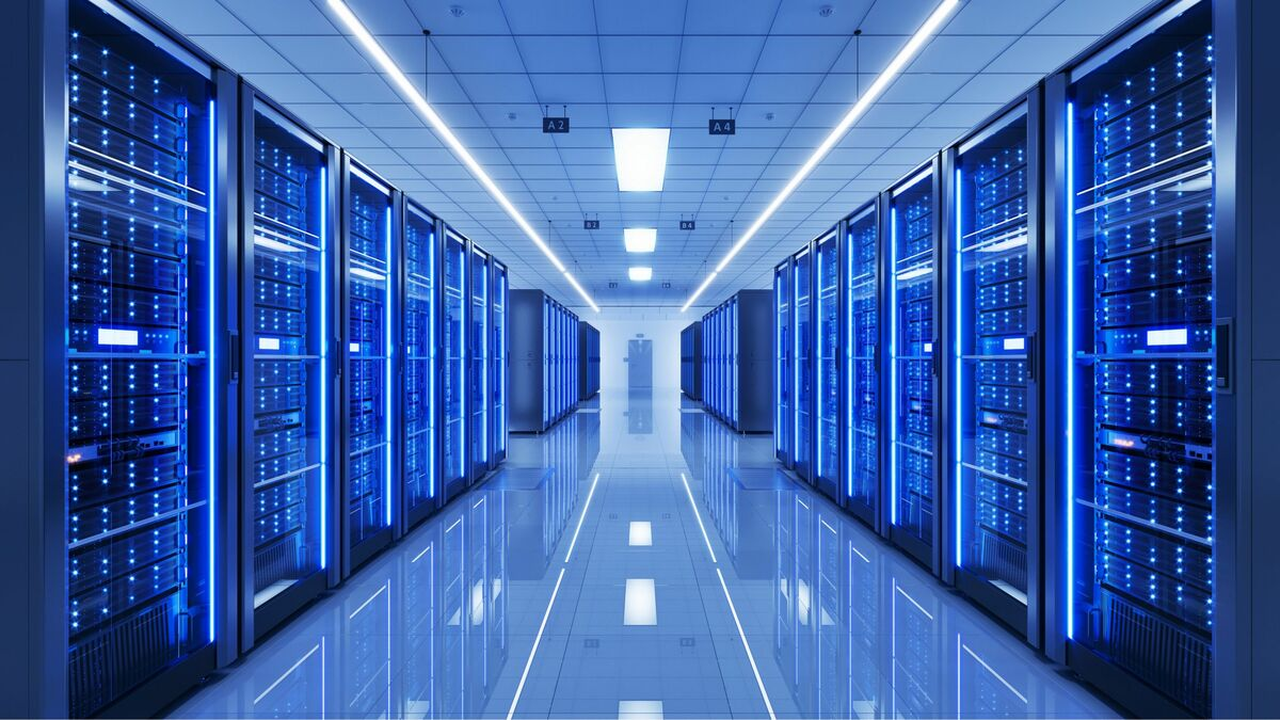
Background: Generative AI’s Insatiable Demand for Computational Power
The explosive growth of generative artificial intelligence (AI) has triggered an unprecedented boom in the construction of large-scale data centers worldwide. These facilities are not merely technical infrastructures; they are critical societal backbone components, upon which essential functions like financial transactions, logistics management, and hospital electronic health records depend. However, this proliferation comes with a significant challenge: the enormous electricity consumption of these data centers, which is rapidly becoming a major societal and environmental concern.
Key Findings: Exponential Energy Needs of AI Workloads
Generative AI workloads, in particular, demand considerably more power than traditional cloud computing applications. This is due to the high-density deployment of GPU servers, which are required to perform computationally intensive tasks such as training and inference for extended periods. According to data from the International Energy Agency (IEA), global data center electricity consumption accounted for approximately 1.5% of the world’s total electricity consumption in 2024. Projections indicate a dramatic increase to 945 Terawatt-hours (TWh) by 2030, underscoring the exponential rise in power demand driven by AI.
- Rapid global increase in large-scale data center construction due to generative AI.
- Data centers are critical social infrastructure for finance, logistics, and healthcare.
- Generative AI workloads consume vastly more power with high-density GPU servers.
- IEA predicts global data center electricity consumption to increase from 1.5% (2024) to 945 TWh (2030).
- Concentration of data centers in specific regions causes power infrastructure supply and distribution shortages.
Technical Significance & Outlook: Infrastructure Strain and Decentralization
The construction of data centers is constrained by specific requirements, including robust telecommunications networks, stable power supply, transportation access, and suitable geological stability. Consequently, data centers tend to concentrate in limited geographical areas that meet these criteria. This regional concentration exacerbates the strain on local power infrastructures, leading to potential shortages in electricity supply and limitations in distribution capacity. Utility companies are under pressure to invest heavily in grid upgrades and new generation facilities to meet this escalating demand.
From a technical standpoint, this necessitates accelerated innovation in several areas:
- Energy Efficiency: Developing more power-efficient AI chips, cooling systems (e.g., liquid cooling, immersion cooling), and data center architectures.
- Renewable Energy Integration: Greater reliance on and integration of renewable energy sources to power data centers, potentially leading to on-site power generation.
- Grid Modernization: Investing in smart grid technologies and distributed energy resources to handle peak loads and optimize power delivery.
- Geographic Diversification: Exploring new regions for data center placement to ease the burden on existing power hubs, possibly incentivizing development in areas with abundant renewable energy potential.
The long-term outlook involves a multifaceted approach to achieving sustainable AI infrastructure. This includes ongoing R&D in energy-efficient hardware and software, strategic investments in grid infrastructure, and policy frameworks that encourage decentralized and renewable-powered data center deployments. Balancing the immense benefits of generative AI with its environmental and infrastructural impact will be a defining challenge for the coming decade, requiring close collaboration between industry, government, and technical experts.