
Background: Germany’s Energy Transition and the Imperative for Hydrogen Infrastructure
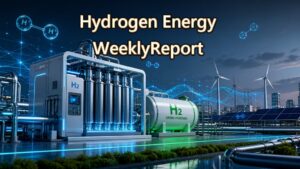
Germany is aggressively pursuing its ‘Energiewende’ (energy transition) with an ambitious target of achieving climate neutrality by 2045. In this strategy, hydrogen is recognized as a crucial energy carrier, expected to play a vital role in decarbonizing industrial sectors, energy storage, and transportation. However, establishing a large-scale hydrogen economy necessitates robust infrastructure for efficiently and safely transporting hydrogen from production sites to consumption centers. A combination of repurposing existing natural gas infrastructure and constructing new pipelines is being pursued to ensure rapid deployment and optimize cost efficiency.
Key Developments: Progress of the ‘Flow – Making Hydrogen Happen’ Initiative
Germany’s ‘Flow – Making Hydrogen Happen’ initiative is at the forefront of this hydrogen infrastructure development. It is vigorously advancing the development and construction of a high-performance pipeline system to meet green hydrogen demand from 2025 onwards. The goal is to link Germany to international hydrogen markets and facilitate large-volume supply to domestic industries. Notably, the demand for the hydrogen core network has already surpassed initial projections, underscoring strong industrial interest and anticipation for hydrogen. Indeed, certain pipeline sections have already been converted for hydrogen transport by 2025, demonstrating swift implementation capability. Furthermore, ground surveys for the ‘HYBOR’ pipeline project, designed to enhance hydrogen supply in eastern Germany, commenced in April 2026, with preparations for concrete construction underway.
Technical Significance and Future Outlook
The ‘Flow’ initiative contributes significantly to overcoming the technical and operational challenges of repurposing existing gas pipelines for dedicated hydrogen use, yielding valuable insights for global application. Hydrogen-ready pipeline operations will enable German heavy industries and chemical sectors to utilize green hydrogen more rapidly and accelerate their decarbonization efforts. Moreover, connecting to international hydrogen markets is crucial for ensuring stable supply and cost-competitiveness. However, ongoing technical challenges remain, including assessing the suitability of existing pipelines for hydrogen’s physical properties (e.g., small molecule size, permeability), developing new materials, and establishing comprehensive safety standards for the entire network. Through this hydrogen core network, the German government aims to drive the development of the entire European hydrogen economy and realize a transformative energy infrastructure for a sustainable future.




Comments