Background
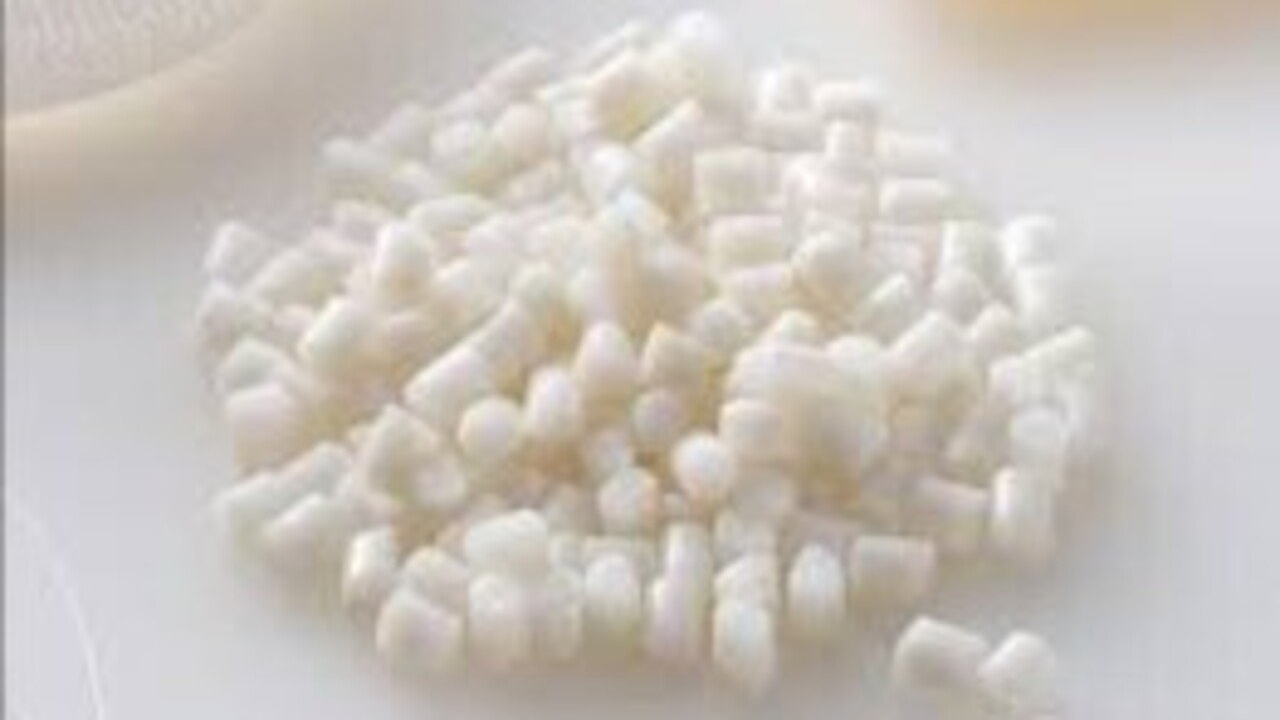
The global materials industry is witnessing a significant shift towards sustainable and high-performance alternatives, driven by tightening environmental regulations and increasing demand for eco-friendly products. Polyglycolic Acid (PGA) resin, a semi-crystalline thermoplastic polyester, has emerged as a promising next-generation biomaterial due to its unique combination of properties. Its superior gas barrier performance, mechanical strength, and excellent biodegradability make it an attractive candidate for various advanced applications. This report by QYResearch delves into the market dynamics and future projections for PGA resin.
Key Findings / Results
According to QYResearch’s latest market intelligence, the PGA resin market is poised for exceptional growth over the forecast period. Key projections and market drivers include:
- Market Size Projection: The PGA resin market is forecasted to reach an impressive $714 million by 2032.
- High Growth Rate: The market is expected to expand at a remarkable Compound Annual Growth Rate (CAGR) of 23.4% during the forecast period (specific period details are in the full report), indicating a highly dynamic and rapidly expanding market.
- Key Properties: PGA resin distinguishes itself with superior gas barrier performance (high resistance to oxygen and water vapor permeation), high mechanical strength, and excellent biodegradable characteristics suitable for medical applications.
- Growth Drivers: The global push for decarbonization policies, increasing demand for sustainable packaging materials, and the overall expansion of the biomass materials market are accelerating investments and adoption in the PGA resin sector.
- Major Application Areas: Its importance is growing in high-value sectors such as food packaging (especially for applications requiring extended freshness), medical materials (e.g., sutures, drug delivery devices), and oil and gas exploration (e.g., fracturing balls in shale gas extraction).
These factors collectively position PGA resin as a critical material for future industrial applications, particularly where both performance and sustainability are paramount.
Technical Significance & Outlook
The forecasted high growth of the PGA resin market underscores its significant technical merits and strategic importance in modern materials science. Its exceptional gas barrier properties make it a superior choice for packaging sensitive goods, potentially reducing food waste and extending product shelf life, a key sustainability benefit. In medical applications, its biodegradability and biocompatibility offer significant advantages for implants and drug delivery systems, minimizing the need for subsequent surgical removal. The use in oil and gas, particularly for dissolvable components, demonstrates its versatility in extreme conditions. Continued research will likely focus on optimizing synthesis methods to reduce production costs, enhance process scalability, and further tailor its degradation profile for specific applications. As global demand for sustainable, high-performance materials continues to surge, PGA resin is set to play a pivotal role, driving innovation across multiple industries and contributing substantially to a greener, more resource-efficient economy.









Comments