Background
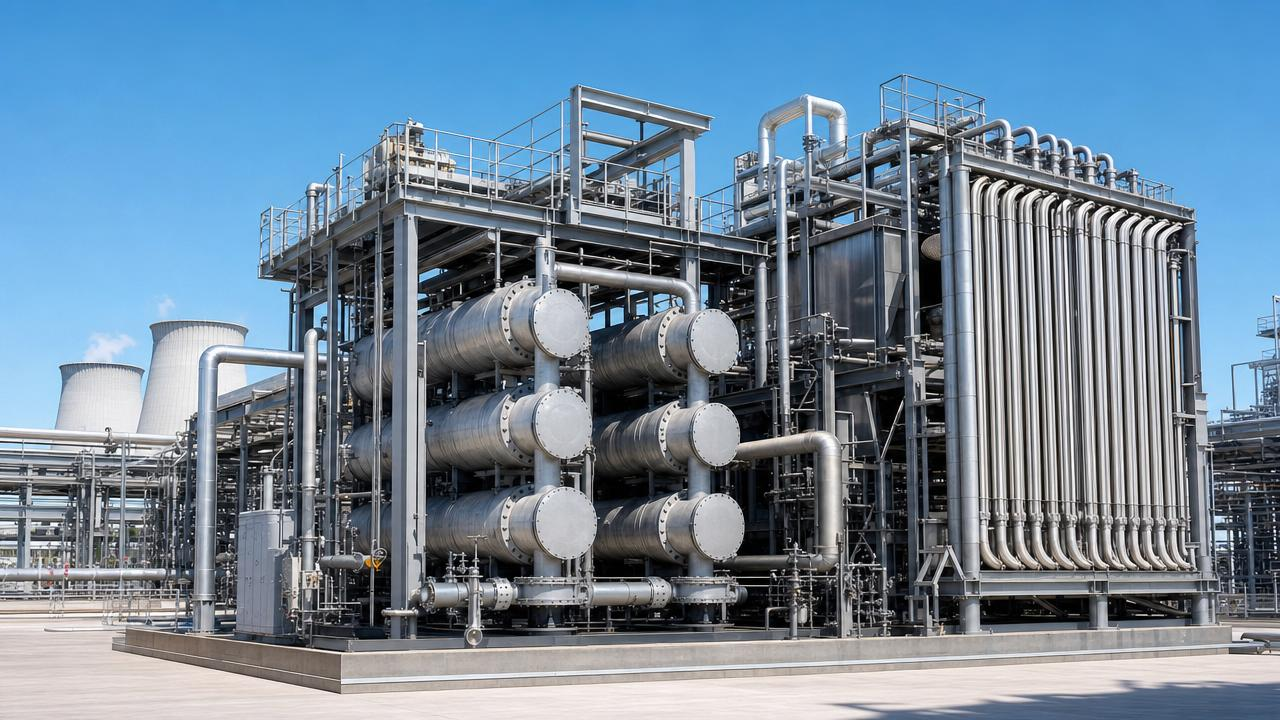
The petrochemical industry, vital for producing fundamental polymer raw materials such as ethylene, is inherently energy-intensive and a substantial contributor to global CO2 emissions. In response to escalating global climate change initiatives and the broader transition to sustainable economies, major chemical manufacturers are under increasing pressure to drastically reduce their environmental footprint across their entire value chains. Consequently, decarbonization and significant efficiency improvements in ethylene production have become pivotal objectives within corporate sustainability frameworks.
Key Findings
SABIC, a global petrochemical leader, has significantly updated its “Sustainable Procurement White Paper 2026” by introducing a stringent new CO2 emission standard for ethylene production. The revised framework mandates that all newly commissioned ethylene crackers must achieve an emission intensity of 0.85 metric tons of CO2 or less per metric ton of ethylene produced. This target is considerably more ambitious than current industry averages, unequivocally reinforcing SABIC’s commitment to environmental stewardship and leadership in sustainable industrial practices.
The core components of this new standard are:
- Rigorous Target: Caps CO2 emissions at 0.85 tons per ton of ethylene.
- Scope: Encompasses all newly constructed ethylene cracker facilities.
- Strategic Objective: Aims to elevate environmental performance and accelerate decarbonization throughout the company’s supply chain.
SABIC’s demanding new standard is expected to be a potent catalyst for substantial technological innovation and capital investment across Engineering, Procurement, and Construction (EPC) firms, as well as among manufacturers of critical equipment like cracking furnaces. This initiative is poised to accelerate the deployment of advanced energy-efficient process technologies, pioneering emission reduction strategies—such as electric cracking furnaces and Carbon Capture, Utilization, and Storage (CCUS)-ready designs—and the broader integration of renewable energy sources. This ambitious benchmark is critical for driving the petrochemical industry towards comprehensive decarbonization and is likely to prompt other global industry leaders to implement comparable environmental performance criteria. SABIC’s proactive stance is anticipated to accelerate the broader transition to a more sustainable polymer industry, contributing significantly to global climate objectives.







Comments