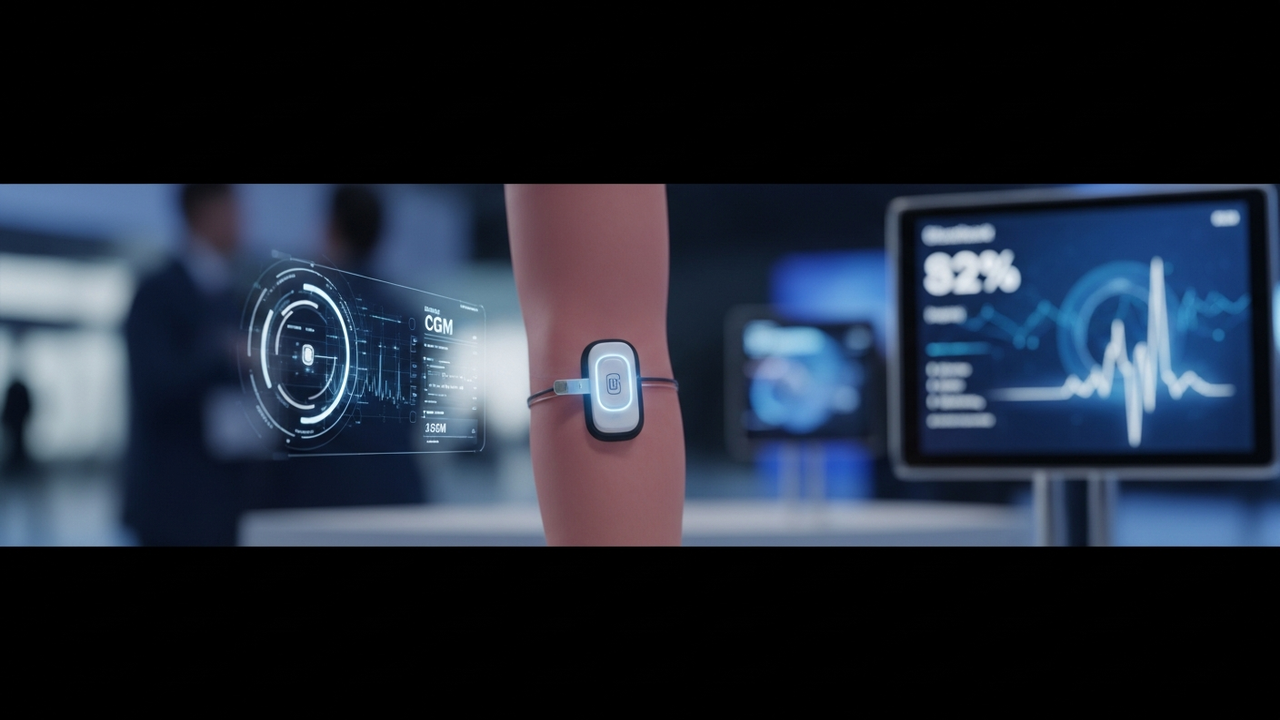
Background: Evolution of Glucose Monitoring in Diabetes Management
For individuals with diabetes, continuous glucose monitoring is crucial for achieving good glycemic control and preventing complications. Previous continuous glucose monitoring (CGM) technologies often required adhesive skin sensors or wearable components that interfaced with external devices. While effective, these devices presented challenges such such as frequent replacements, inconvenience, and visibility. Consequently, there has been a demand for discreet glucose monitoring solutions that offer longer usage periods and seamlessly integrate into daily life.
The Innovativeness of Glucotrack’s Implantable CBGM Technology
Glucotrack has developed groundbreaking technology to address this need. The company is set to prominently feature its implantable Continuous Blood Glucose Monitoring (CBGM) technology at the American Diabetes Association’s (ADA) 2026 Scientific Sessions. The Glucotrack CBGM system’s primary advantage is the elimination of external wearable components. The sensor is implanted within the body and is capable of continuously measuring blood glucose levels for an impressive three years with minimal calibration. This dramatically enhances patient convenience compared to conventional CGM systems.
Clinical Significance and Future Prospects
Glucotrack’s implantable CBGM holds the potential to significantly improve the quality of life for diabetes patients. Without the need for external devices, daily activities are unrestricted, and there is no concern about misplacing or losing the device. The three-year sensor lifespan eliminates the need for frequent sensor replacements, contributing to reduced patient burden and healthcare costs. This technology will transform diabetes management into a more seamless and discreet experience, empowering patients to live with greater freedom and confidence. In the future, this implantable technology is expected to pave the way for further advanced diabetes treatments, such as integration with automated insulin delivery systems (artificial pancreas), undoubtedly marking a significant advancement in the future of diabetes care.







Comments