Background: Seeking Sustainable Resource Utilization and Diversified Value Creation
As global energy demand rises and climate change mitigation becomes an urgent imperative, there is a strong call for clean energy production from renewable and sustainable resources. Bioenergy production, particularly from non-food crops that do not compete with food supplies, is gaining attention due to its low environmental footprint and carbon-neutral potential. Furthermore, the concept of a “biorefinery” is evolving to maximize the efficiency of agricultural resource utilization and create diversified value by extracting not only energy but also high-value chemicals and pharmaceutical ingredients from these crops.
The Hemp-Based Biorefinery Concept
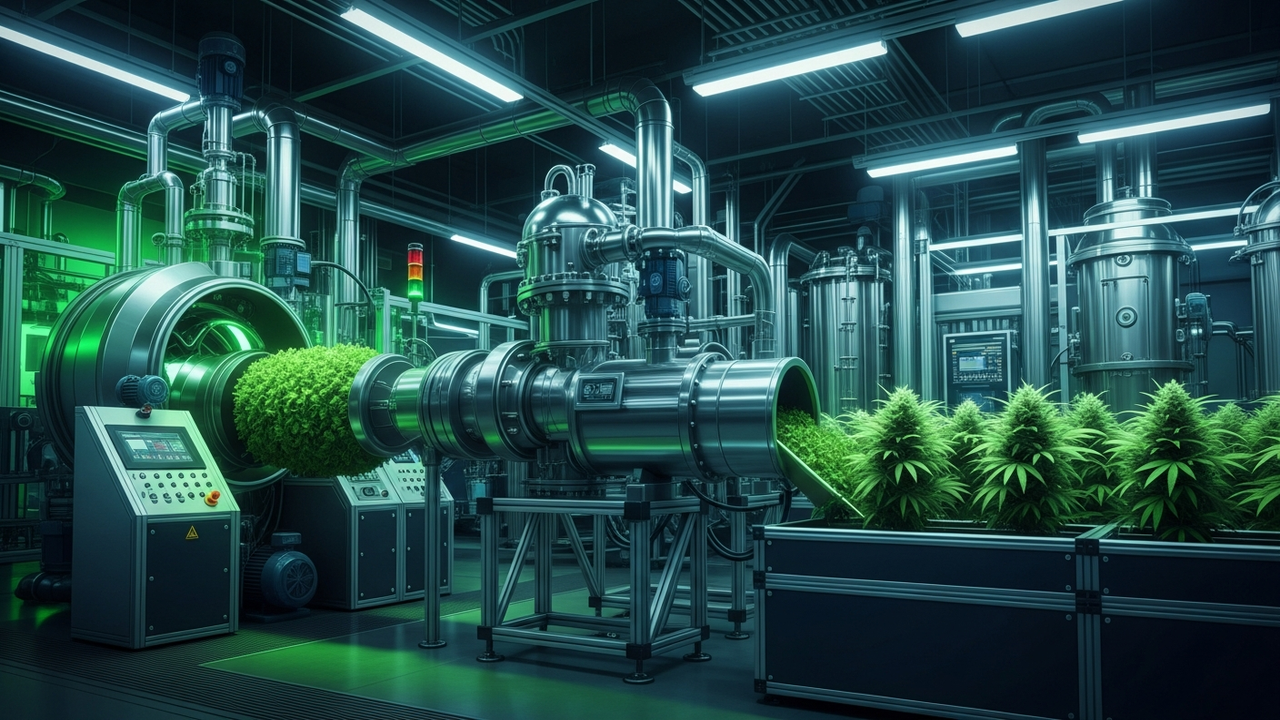
Dr. Babak Baban and Dr. Lei P. Wang of Augusta University, through their biotechnology startup Medicinal Cannabis of Georgia LLC, have proposed an innovative biorefinery model based on industrial hemp. This concept aims to simultaneously produce multiple high-value products from a single hemp cultivation cycle:
- Green Hydrogen: Through gasification or other conversion processes of hemp biomass, clean green hydrogen can be generated. This can be utilized as a decarbonized fuel in transport, power generation, and various industrial processes.
- Bioenergy Products: Residues from hydrogen production and other parts of the hemp plant can be converted into bioenergy products such as biodiesel, bioethanol, and solid biofuels. This offers a potential replacement for fossil fuels in power generation and heating applications.
- Therapeutic Cannabinoids: Non-psychoactive cannabinoids found in hemp, other than tetrahydrocannabinol (THC) (e.g., CBD), have reported therapeutic benefits such as anti-inflammatory, analgesic, and anxiolytic properties. These are highly valued as raw materials for pharmaceuticals and health supplements. This biorefinery also enables their efficient extraction.
Technical Significance and Environmental/Economic Impact
The technical significance of this proposed model lies in its ability to integrate the production of diverse products from a single hemp crop, thereby eliminating waste and enhancing economic viability. While bioenergy production is often considered to have low profitability, combining it with high-value cannabinoid production significantly strengthens the overall business model.
Environmentally, hemp is a fast-growing crop that efficiently sequesters carbon, potentially making it a carbon-negative bioenergy source. Additional benefits include efficient land use, reduced water consumption, and improved soil health. Economically, it could contribute to new industry creation, diversification of farmer incomes, and revitalization of local economies. This concept suggests new business models where sustainable agriculture, clean energy, and the medical sector converge.
Source: #






Comments