Key Findings
Sana Biotechnology has reported plans to initiate clinical trials within 2026 for its two primary technology platforms: a hypoimmune cell therapy targeting Type 1 diabetes and an in vivo CAR T platform for oncology and autoimmune diseases. Initial data from these trials are expected within the next 12 months, signaling a potential revolution in existing treatment paradigms. This strategic move underscores Sana’s commitment to innovative regenerative medicine and its capability to drive clinical advancements in areas of high unmet medical need.
Technical and Clinical Details
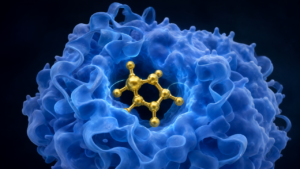
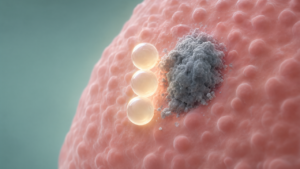
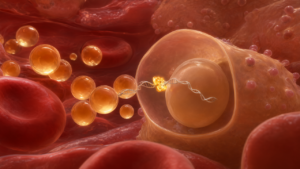
Sana’s hypoimmune cell therapy platform aims to prevent donor cells from being recognized by the host’s immune system through editing of major histocompatibility complex (MHC) genes. This approach seeks to eliminate the need for immunosuppressive drugs, enabling iPSC-derived cells to be delivered ‘off-the-shelf’ to various patients. Particularly in Type 1 diabetes, where immune rejection has been a challenge for islet cell transplantation, this technology holds the potential to overcome this barrier and restore insulin-producing capacity. The in vivo CAR T platform utilizes CRISPR gene-editing technology to generate CAR T cells directly within the patient’s body, thereby bypassing complex ex vivo manufacturing processes and simplifying cancer and autoimmune disease treatments. Clinical trials will evaluate the safety, tolerability, and initial efficacy of these novel therapeutic approaches.
Background and Industry Context
The fields of cell and gene therapy have made remarkable progress over the past few decades, yet immune rejection and complex manufacturing processes remain significant challenges. Sana Biotechnology’s hypoimmune technology has the potential to accelerate the widespread adoption of off-the-shelf cell therapies by evading alloimmune responses. Furthermore, in vivo CAR T technology could be a game-changer for addressing manufacturing costs and treatment accessibility, making CAR T therapies available to a broader patient population. These technologies are crucial for shaping the future of regenerative medicine, offering curative potential for diseases challenging to treat with conventional methods.
Future Outlook
The initiation of Sana Biotechnology’s clinical trials represents a critical milestone as the company’s technology transitions from fundamental research to clinical application. The initial data, expected within the next year, will provide the first indications for evaluating the impact these innovative therapies could have on patients. If successful, Sana’s platforms could establish new therapeutic paradigms addressing a wide range of medical needs, including freeing Type 1 diabetes patients from insulin dependence, reducing treatment burdens for cancer patients, and improving the quality of life for those with autoimmune diseases. Investors and healthcare professionals are highly anticipating the broader impact of this progress on the cell and gene therapy sector.