Key Findings
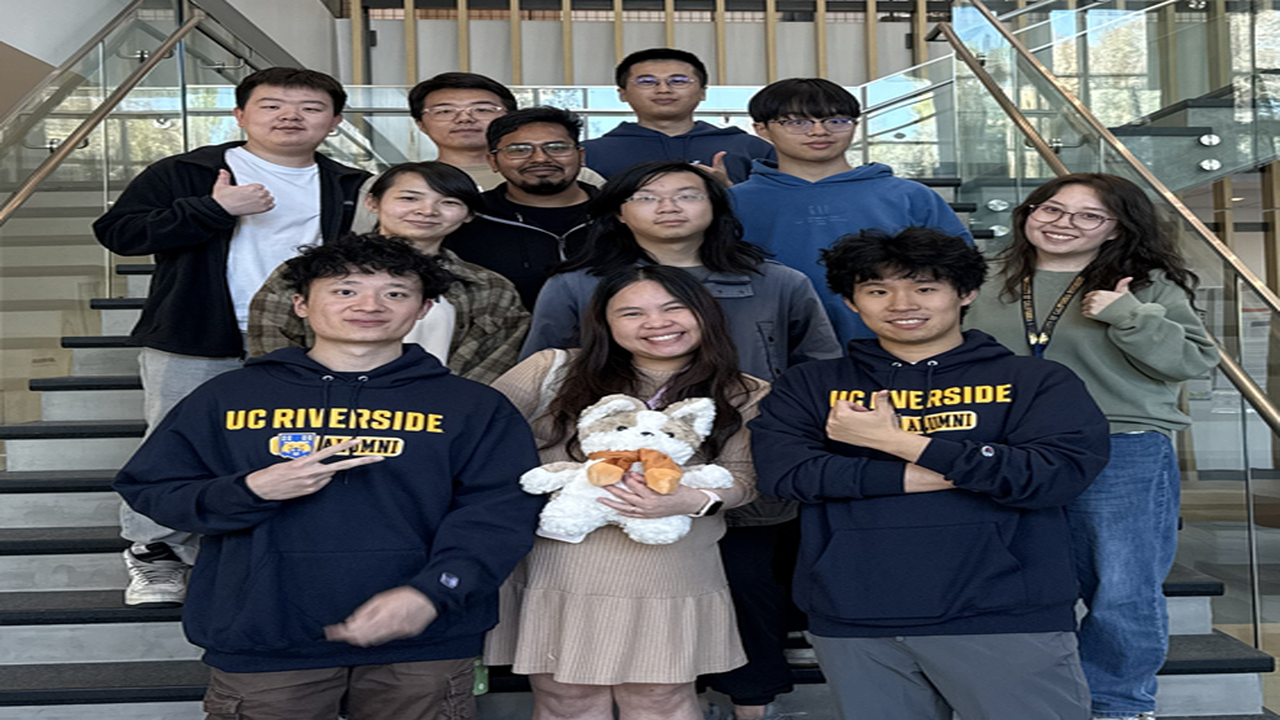
A research team at the University of California, Riverside, has received a $590,000 grant from the U.S. Department of Agriculture (USDA) to develop a novel color-based nanosensor for rapid and highly sensitive detection of foodborne pathogens. This initiative aims to significantly enhance food safety throughout the supply chain by providing a faster and more accessible detection method compared to current laboratory-intensive techniques.
Technical / Clinical Details
The four-year project focuses on developing a biosensor that integrates CRISPR-Cas14 gene-editing technology with G4 DNAzyme-linked magnetic nanoparticles. CRISPR-Cas14 serves as a highly specific recognition tool, capable of identifying unique DNA sequences from target pathogens such as Salmonella and E. coli O157:H7. Upon detection, the G4 DNAzyme component triggers a colorimetric change, producing a visually discernible signal indicating the pathogen’s presence. Magnetic nanoparticles are incorporated to efficiently separate and concentrate target pathogens from complex food samples, thereby enhancing the sensitivity of the assay. This ‘one-pot’ detection approach is designed to be instrument-free and user-friendly, making it suitable for deployment in diverse field environments, including farms, processing plants, and restaurants. While current standard detection methods often require several days, this nanosensor aims to reduce the detection time to minutes or a few hours, addressing a critical need for rapid turnaround.
Background & Context
Foodborne pathogens pose a significant global health threat, causing millions of illnesses and billions of dollars in economic losses annually to the food industry. Traditional detection methods, which rely on time-consuming culture-based techniques or expensive and complex molecular assays, often lead to delayed responses and increased risk of widespread contamination, resulting in large-scale recalls and public health crises. This new nanosensor offers a rapid, low-cost, and field-deployable screening tool, directly addressing these unmet needs in food safety and surveillance.
Strategic Significance & Outlook
The UC Riverside team plans to develop a robust prototype of this biosensor with the ultimate goal of commercialization. Successful implementation of this technology could enable real-time monitoring across the entire food supply chain, facilitating early detection of contamination and preventing widespread outbreaks. Beyond food safety, the underlying principles of this nanotechnology and biotechnology fusion hold promise for broader applications in environmental monitoring and clinical diagnostics, underscoring its potential for widespread impact on public health and safety.