Key Findings
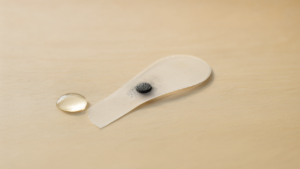
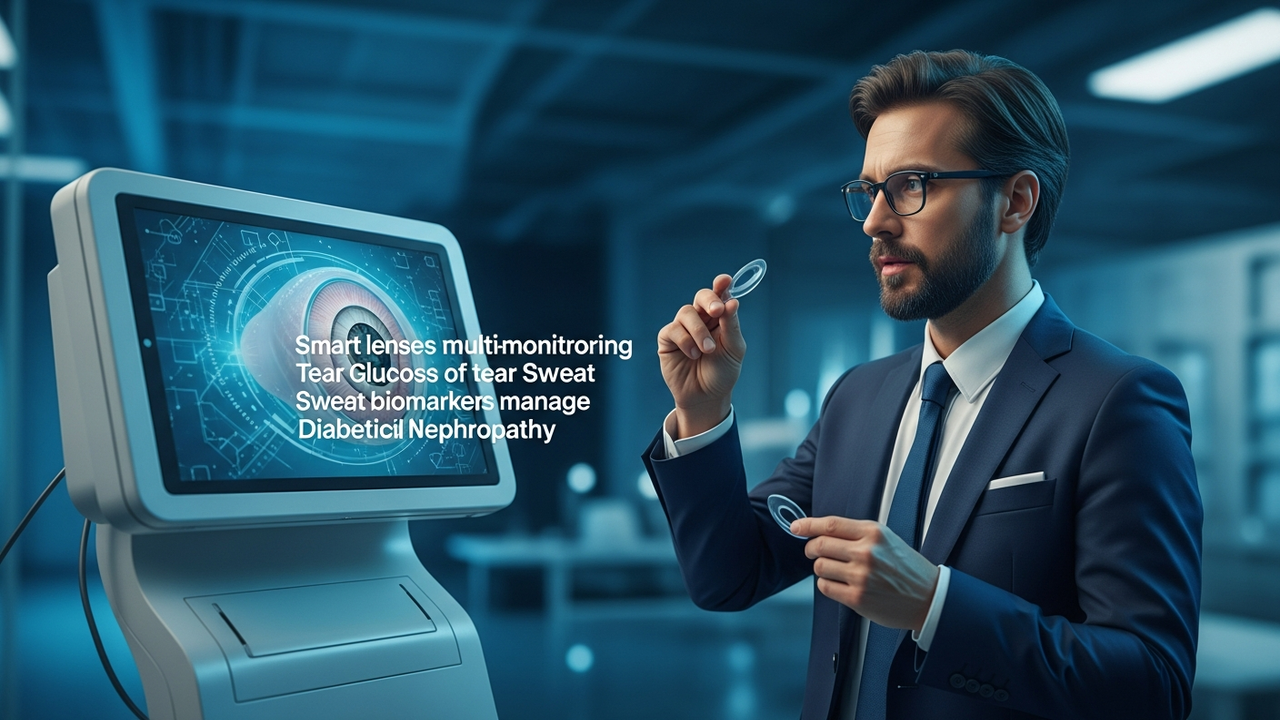
This research meticulously investigates the correlation between tear glucose and blood glucose using wireless smart contact lenses, demonstrating continuous acquisition of tear glucose data at sub-minute intervals while effectively excluding the influence of tear fluid variations. Furthermore, it focuses on wearable multiplexed monitoring technologies for the daily management of diabetic nephropathy, introducing a flexible skin patch capable of simultaneously measuring glucose, pH, and temperature in sweat.
Technical / Clinical Details
The smart contact lens incorporates a miniature sensor that electrochemically detects glucose concentrations in tear fluid. Crucially, it includes algorithms to compensate for environmental factors like tear composition and flow, which have historically posed challenges for accurate tear glucose measurements and their correlation with blood glucose. Sub-minute data acquisition enables a more detailed capture of rapid glucose fluctuations and diurnal variations, offering new insights into glucose management for diabetic patients. Additionally, a flexible skin patch specifically designed for diabetic nephropathy management offers real-time, multiplexed monitoring of the following sweat biomarkers:
- Glucose: A fundamental indicator for diabetes management.
- pH: Reflects the body’s acid-base balance and can aid in early detection of metabolic acidosis.
- Temperature: Skin surface temperature can be an indicator of inflammation or infection.
These data are wirelessly transmitted to smartphones or cloud platforms, designed to allow both patients and healthcare providers to monitor health status in real-time and intervene as necessary. This multiplexed monitoring enables a more comprehensive assessment of complex disease progression patterns and treatment responses that might be missed by single-biomarker approaches.
Background & Context
Diabetes is a globally escalating chronic disease, and diabetic nephropathy, one of its complications, is a leading cause of end-stage renal disease. Strict glycemic control and early diagnosis are crucial for managing these conditions. However, conventional monitoring methods are often invasive or intermittent, imposing significant burdens on patients and making comprehensive, real-time data collection challenging. Wearable biosensors like smart contact lenses and flexible skin patches are being developed to address these unmet needs, holding potential to improve patients’ quality of life and reduce healthcare costs. Notably, non-invasive monitoring is a significant factor in improving patient compliance.
Strategic Significance & Outlook
These wearable technologies are expected to find applications beyond diabetic nephropathy management, extending to other chronic diseases (e.g., cardiovascular, liver diseases) and general health/wellness monitoring. Future development will likely focus on enhancing sensor accuracy, extending battery life, strengthening data security, and improving user interfaces. Integration with AI is also anticipated to extract more actionable insights from the vast amounts of collected data, evolving into systems that provide personalized treatment recommendations and preventive interventions. The widespread adoption of these technologies will be a critical factor in accelerating the progress of telemedicine and personalized medicine.