Key Findings
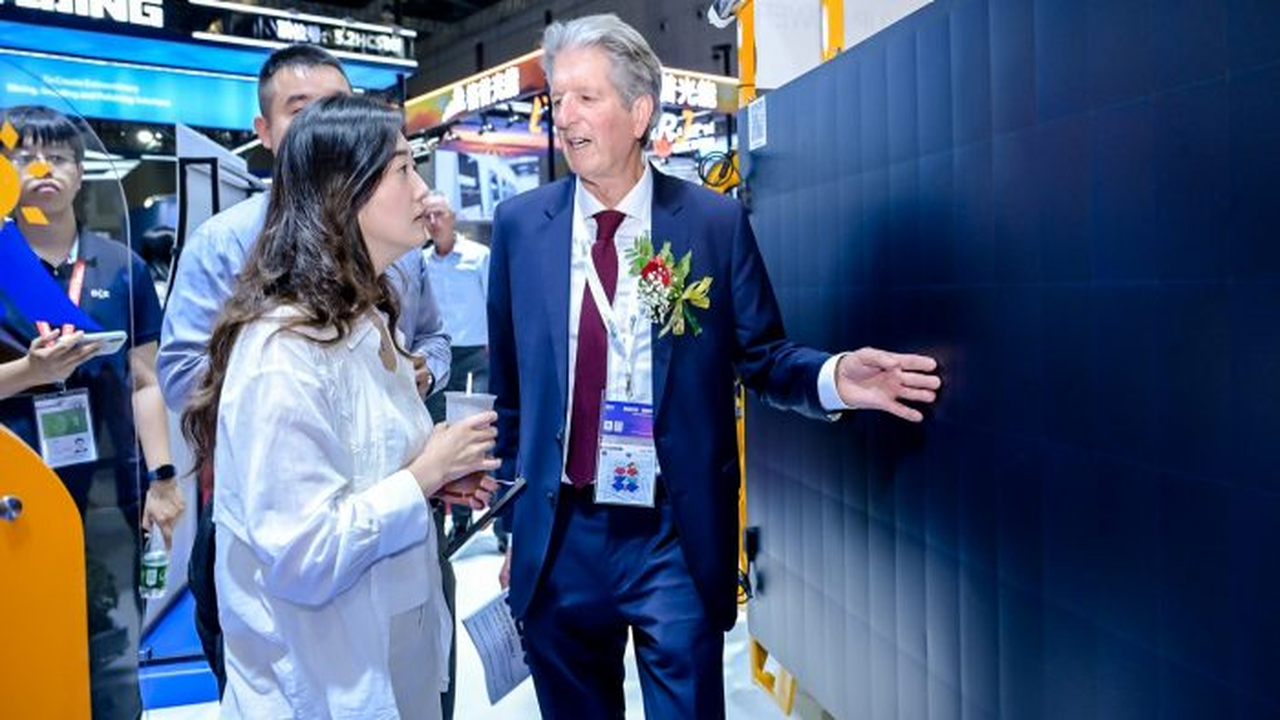
Professor Martin Green of UNSW, widely celebrated as the ‘Father of Solar Cells’ for his profound contributions to silicon photovoltaic development, is now spearheading efforts to address the critical challenge of long-term durability in next-generation perovskite solar cells. The latest ‘International Solar Cell Efficiency Table,’ published in Joule, reported record-breaking efficiencies of 28.0% for single-junction perovskite cells and an impressive 35.2% for perovskite-on-silicon tandem cells. Complementing these technical advancements, UNSW has unveiled plans to establish an independent field testing facility dedicated to validating the real-world reliability of perovskite modules, thereby accelerating their path to commercialization.
Technical Details
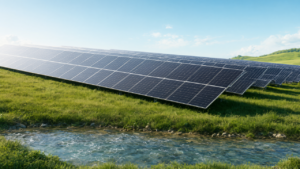
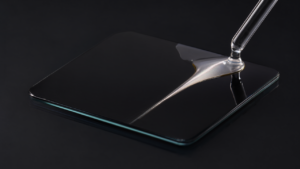
While perovskite solar cells have shown astonishing improvements in efficiency, their stability and durability have remained one of the most significant barriers to large-scale commercial deployment. Professor Green’s research is specifically targeting this durability issue, exploring solutions through innovations in materials science, device architecture, and encapsulation technologies. Perovskite-on-silicon tandem cells are particularly promising, achieving higher conversion efficiencies than single-junction cells by efficiently absorbing different wavelengths of sunlight. The planned UNSW field test facility aims to meticulously monitor the long-term performance degradation of various perovskite modules under actual climatic conditions (temperature fluctuations, humidity, UV exposure, etc.). The objective is to demonstrate reliability capable of withstanding typical product warranty periods (usually 25 years), which is crucial for obtaining the real-world validation data essential for commercialization, as laboratory data alone are insufficient.
Background & Context
Over several decades, Professor Martin Green has driven the efficiency improvements of silicon solar cells, elevating photovoltaics to a major renewable energy source. His deep involvement in perovskite technology serves as a powerful endorsement of its future potential. The perovskite-silicon tandem technology is especially appealing due to its compatibility with existing silicon solar cell manufacturing infrastructure, promising a quicker route to market. As global energy demand continues to rise and decarbonization becomes an urgent imperative, the advent of more efficient and cost-effective solar cell technologies is indispensable for accelerating the energy transition. Independent durability testing plays a decisive role in demonstrating the reliability of perovskite technology to investors, consumers, and regulatory bodies.
Strategic Significance & Outlook
Professor Green’s research at UNSW and the establishment of the new field testing facility represent critical steps towards overcoming the reliability challenges in commercializing perovskite solar cells. These advancements could lead to the widespread market introduction of perovskite-silicon tandem cells within the next few years, potentially dramatically improving the cost-effectiveness of solar power. Broad adoption is anticipated across various applications, including rooftop installations, utility-scale solar farms, and Building-Integrated Photovoltaics (BIPV). The proliferation of this technology will expand solar energy’s share in the global energy mix and significantly contribute to climate change mitigation efforts.
Source: https://www.unsw.edu.au/newsroom/news/2026/06/father-of-modern-solar-approaches-the-next-frontier