Key Findings
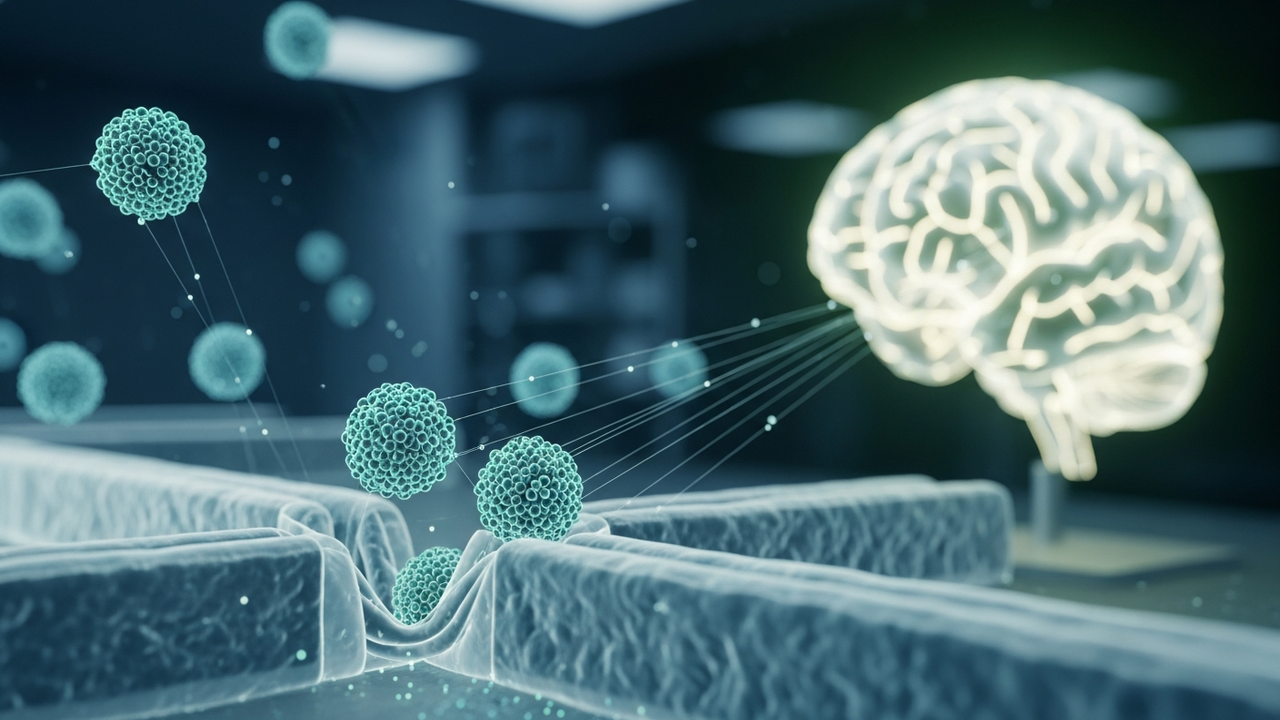
In a groundbreaking study published in Science Translational Medicine, researchers have successfully developed a novel lipid nanoparticle (LNP) formulation that can efficiently deliver gene therapeutics to the brain. This LNP effectively breaches the blood-brain barrier (BBB), one of the most formidable obstacles in drug delivery, achieving successful delivery and expression of therapeutic genes within the brain in preclinical models.
Technical / Clinical Details
The developed LNP formulation incorporates specific functional lipids and surface modifications, enabling selective binding to brain endothelial cells and efficient transcytosis across the BBB. Following intravenous administration in preclinical animal models (e.g., mice, non-human primates), the LNP demonstrated widespread distribution throughout brain tissues, with high levels of expression of encapsulated therapeutic genes (e.g., neuroprotective factors, enzymes) observed in neurons. While conventional LNPs tend to accumulate primarily in the liver, this novel formulation successfully minimized off-target hepatic delivery while maximizing desired gene expression in the brain. This capability allows for modulating the expression of specific neurological disease-related proteins or replenishing deficient enzymes.
Background & Context
Neurodegenerative and other CNS (central nervous system) disorders represent areas of high unmet medical need due to a scarcity of effective treatments. The BBB, an essential biological barrier protecting the brain, simultaneously poses a major challenge by hindering the delivery of most therapeutic agents into the brain. Historically, gene therapy for CNS disorders has been limited to invasive direct brain injections or the use of viral vectors (e.g., AAV), which carry challenges related to immunogenicity and manufacturing. Non-viral LNP-mediated BBB penetration opens new possibilities for safer and more scalable CNS gene therapies.
Strategic Significance & Outlook
This novel LNP formulation is expected to provide new therapeutic options for neurological disorders such as Alzheimer’s, Parkinson’s, Huntington’s disease, and spinal muscular atrophy. The ability of LNPs to effectively bypass the BBB will enable the delivery of a broader range of nucleic acid-based therapeutics, including mRNA therapies and genome editing tools like CRISPR/Cas9, into the central nervous system. Further optimization and clinical validation of this technology hold the potential to fundamentally transform the treatment of intractable neurological diseases.
Source: #