Key Findings
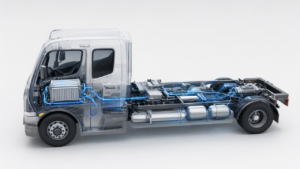
The hydrogen fuel cell vehicle (FCEV) market in 2025 revealed a stark contrast: passenger car sales remained a niche segment with approximately 15,000 units sold globally. In parallel, the commercial truck sector experienced rapid growth, with leading OEMs such as Hyundai XCIENT, Daimler Truck, Hyzon, and Volvo delivering hundreds of fuel cell trucks to the market. This dichotomy highlights where hydrogen technology currently demonstrates its most compelling value, particularly in heavy-duty transport and long-haul logistics.
Technical & Market Details
FCEVs are gaining traction in demanding transport segments such as heavy commercial vehicles, long-distance buses, and mining trucks, primarily due to advantages over battery electric vehicles (BEVs), including quicker refueling times, extended operating ranges, lighter energy systems, and reduced downtime. Fuel cells, notably Proton Exchange Membrane Fuel Cells (PEMFCs), are emerging as a viable solution for decarbonizing heavy-duty transport (trucks, shipping, aviation) because of their high energy density and rapid refueling capabilities. For instance, Toyota is collaborating in the Cellcentric joint venture (Daimler Truck and Volvo), and China is aggressively deploying fuel cell buses and heavy-duty trucks within regional hydrogen clusters. However, PEMFCs rely on platinum group metals (PGMs), which pose cost and supply chain challenges.
Background & Industry Context
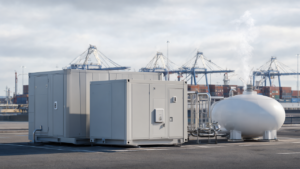
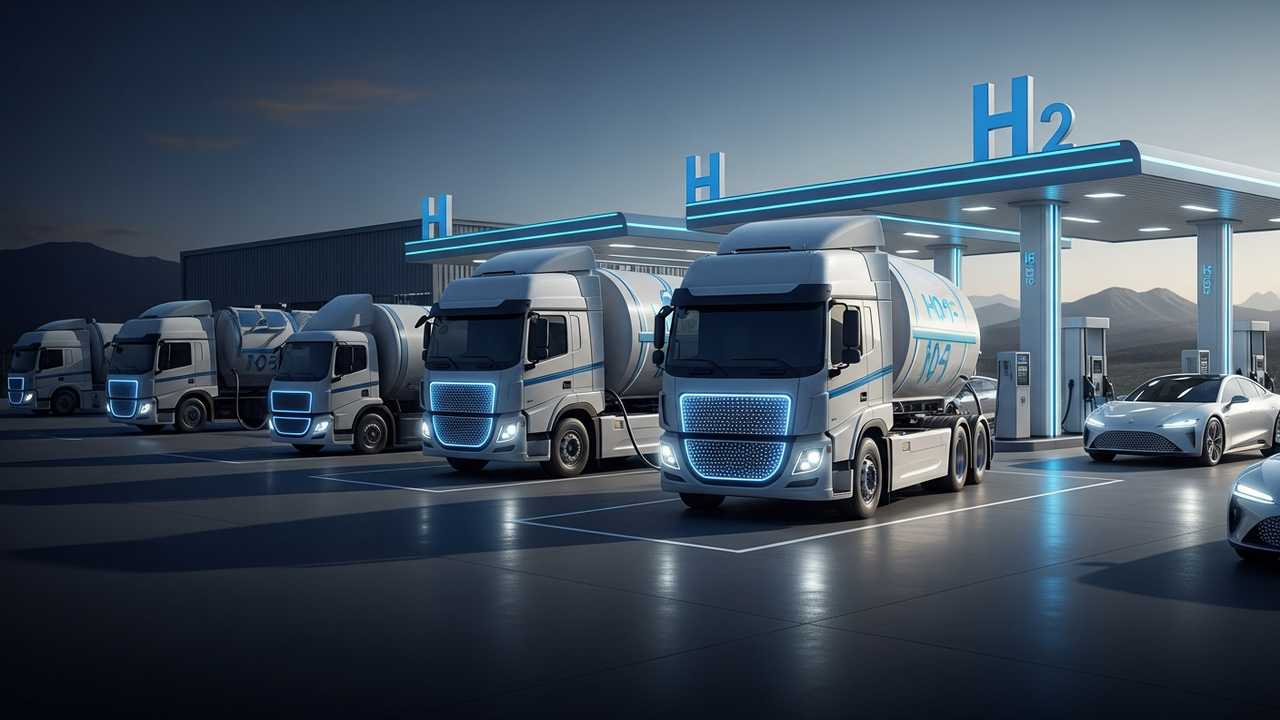
The foremost impediment to widespread FCEV adoption continues to be the limited and expensive hydrogen refueling infrastructure. By the end of 2024, there were 1,369 hydrogen refueling stations across 44 countries, with an additional 416 planned or under construction. However, 79% of these stations are concentrated in just five countries: China, South Korea, Japan, France, and Germany, with the Asia-Pacific region accounting for 62% of the global network. Australia, for example, has 15 stations, 11 of which integrate hydrogen production and supply. China (384 stations), South Korea (198), and Japan (160) are the largest deployment regions in Asia, with 46% of new station planning dedicated to heavy-duty vehicle applications. This infrastructure deficit severely constrains the economic viability of FCEVs at a fleet level.
Strategic Significance & Outlook
Looking forward, the commercial FCEV market is expected to see continued growth, particularly in sectors with stringent operational demands like logistics, public transport, and mining. Governments in leading nations are accelerating investments in hydrogen infrastructure. Germany, for example, has launched a new funding scheme to support the procurement of hydrogen fuel cell trucks and associated refueling infrastructure, specifically targeting the heavy-duty road freight segment to address the ‘chicken-and-egg’ problem. Technological innovations, such as the development of PGM-free catalysts, alongside infrastructure expansion and sustained policy support, will be crucial for the widespread commercialization of hydrogen fuel cell vehicles. The goal is to make hydrogen a cost-competitive and readily available clean energy solution for critical transport sectors.
Source: https://earthenergylog.substack.com/p/hydrogen-fuel-cell-vehicles-2026