Key Findings
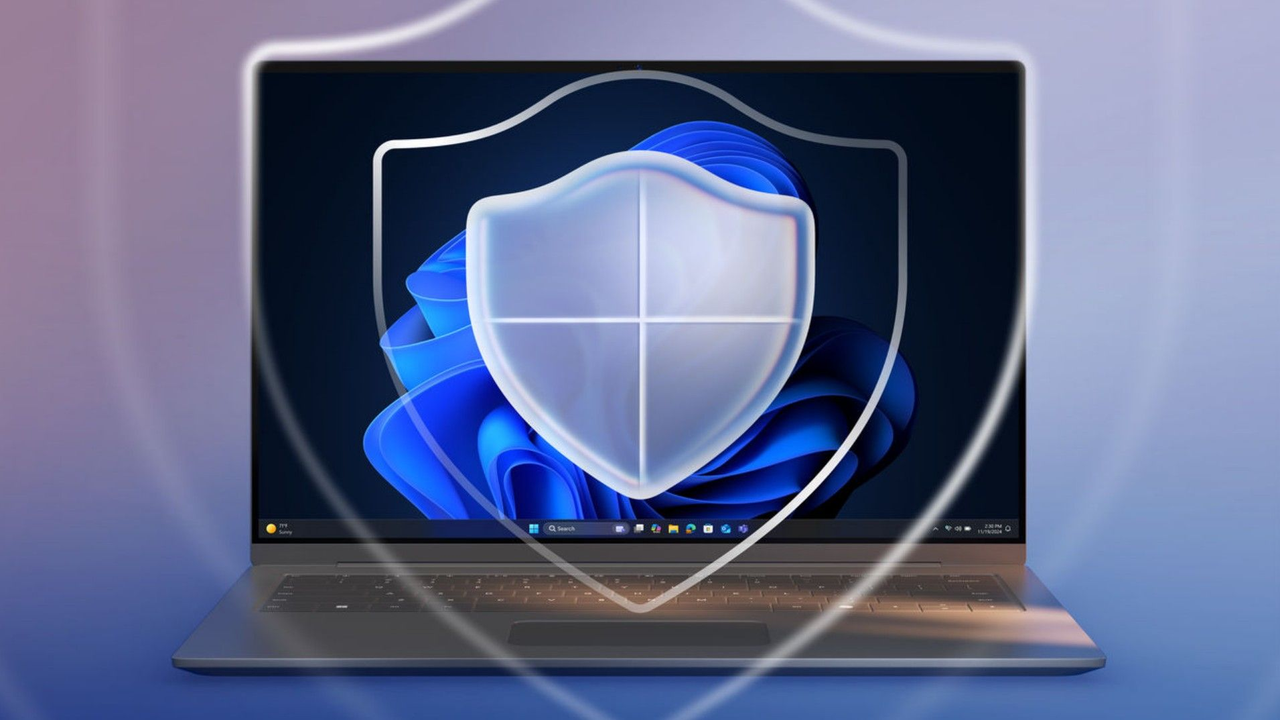
Microsoft has announced significant new features for its Windows platform, extending quantum-safe support across protocols and platform components to accelerate the transition to post-quantum cryptography (PQC). Key developments include the integration of hybrid ML-KEM and ML-DSA algorithms within the Windows cryptographic API and the general support for ML-DSA certificates in Windows Server 2025’s Active Directory Certificate Services (ADCS). These advancements provide organizations with essential tools to bolster data security against the potential cryptographic threats posed by future quantum computers.
Technical / Regulatory Details
- Hybrid Cryptography Adoption: The introduction of hybrid ML-KEM (Key Encapsulation Mechanism) and ML-DSA (Digital Signature Algorithm) support in the Windows cryptographic API employs a dual-layer approach. This method combines established classical cryptographic algorithms with new post-quantum algorithms, ensuring robust security. In the event that a PQC algorithm is compromised or found vulnerable, the classical component acts as a safeguard, providing a fallback security layer.
- Active Directory Certificate Services (ADCS) PQC Readiness: Windows Server 2025 will feature ADCS with native support for issuing ML-DSA certificates. This is a critical functionality for enterprises seeking to migrate their internal Public Key Infrastructure (PKI) to a quantum-safe state. As ADCS is the cornerstone for certificate issuance and management within Active Directory environments, its PQC compatibility is indispensable for enhancing organizational-wide security.
- Platform-Wide Integration: Microsoft’s PQC strategy goes beyond mere algorithm or API support, aiming to embed quantum-safe capabilities throughout core Windows OS protocols and platform components. This comprehensive approach ensures that security is enhanced at the operating system level, allowing a broader range of applications and services to benefit from PQC protection.
Background & Context
The rapid progress in quantum computing has intensified discussions around “Q-Day”—the theoretical point at which quantum computers could break current public-key cryptography. This prospect makes the migration to PQC an urgent global priority. Microsoft’s announcements align with the PQC standardization efforts led by organizations like the National Institute of Standards and Technology (NIST). Enterprises and government agencies must plan and execute PQC migration strategies to counteract the “Harvest Now, Decrypt Later” threat, where encrypted data intercepted today could be decrypted by future quantum machines. Given Windows’ ubiquitous global presence, Microsoft’s PQC support holds immense influence over the global PQC transition.
Strategic Significance & Outlook
The integration of PQC into Microsoft Windows offers a crucial foundation for businesses and organizations to protect their digital assets from future quantum threats. The ADCS support for ML-DSA certificates will streamline PQC migration for large-scale enterprise PKIs, contributing to overall security infrastructure enhancement. This move is expected to spur other OS vendors and cloud providers to accelerate their PQC initiatives, fostering the development of a quantum-safe digital ecosystem. Ultimately, applications and services operating on the Windows platform will increasingly benefit from PQC, contributing to a more secure digital society worldwide.