Key Findings
Researchers at the University of Maryland School of Medicine are actively recruiting volunteers for a clinical study focusing on wearable biosensor devices specifically engineered to detect the early signs of malaria. This study aims to develop next-generation diagnostic technologies that can identify infections at a pre-symptomatic stage, enabling intervention before the disease manifests. Such advancements hold significant potential to impact public health, particularly in malaria-endemic regions, by facilitating early prevention and management.
Technical and Clinical Details
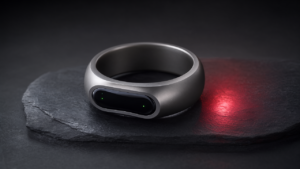
The study utilizes wearable biosensor devices, worn on the skin, to continuously monitor subtle physiological changes and biomarkers that could indicate a developing malaria infection. This may include monitoring parameters such as body temperature, heart rate, sweat composition, and changes in specific biomolecules. The devices are designed for non-invasive data collection and real-time information transmission. The primary objective of the research is to evaluate how accurately and early these sensors can detect malaria signs, using data collected from healthy adult volunteers (aged 18 to 50). Ultimately, the goal is to develop algorithms based on this data to build a more reliable malaria detection system.
Background and Industry Context
Malaria remains a severe infectious disease, affecting hundreds of millions and causing hundreds of thousands of deaths globally each year. Early diagnosis and prompt treatment are crucial for halting disease progression and preventing its spread, but diagnosis is often delayed, especially in remote areas or regions with inadequate medical infrastructure. Wearable biosensors are garnering significant interest as accessible screening tools in such areas, usable at home or within the community. Compared to traditional diagnostic methods (e.g., blood tests), their ability to provide non-invasive and continuous monitoring makes them particularly useful for mass screening and regular checks of high-risk individuals.
Strategic Significance and Outlook
If successful, this research could pave the way for a versatile wearable diagnostic platform applicable not only to malaria but also to the early detection of other infectious diseases. In the future, these devices could integrate with AI to learn from individual health data, predict anomalies, and prompt early medical intervention, becoming part of intelligent healthcare systems. While large-scale field testing and regulatory approvals will be necessary for commercialization, this technology holds substantial potential to address global health disparities and significantly improve public health, especially in developing countries.