Key Findings
A recent comprehensive review article focuses on the emerging and transformative role of carbon-based nanomaterials and sensors within the field of forensic investigations. The research demonstrates that electrodes modified with nanomaterials can achieve remarkably low detection limits, reaching sub-micromolar (μM) levels in both biological and environmental samples. This capability holds immense promise for widespread applications in Point-of-Care Testing (POCT) diagnostics and environmental monitoring. Concurrently, the review identifies key challenges: enhancing sensor stability, effectively mitigating contamination (fouling) effects, and ensuring reproducibility of measurements within complex sample matrices. Consequently, future research is strongly recommended to concentrate on developing integrated, miniaturized sensing platforms capable of multiplex detection.
Technical and Clinical Details
Carbon-based nanomaterials such as graphene, carbon nanotubes, and carbon dots possess unique properties—including high surface area, excellent conductivity, and biocompatibility—that significantly enhance the performance of electrochemical sensors. Modifying electrode surfaces with these nanomaterials increases the interaction area with target analytes and improves electron transfer kinetics, leading to highly sensitive and rapid detection. For instance, forensically relevant biomarkers like drugs, toxins, DNA, and proteins can be detected at very low concentrations. However, complex biological matrices such as blood, urine, and saliva contain various components that can non-specifically adsorb onto sensor surfaces, hindering signals. This ‘biofouling’ is a primary challenge that degrades sensor stability and long-term performance, necessitating the development of effective surface modification techniques and antifouling coatings. Furthermore, multiplex detection, which allows simultaneous analysis of multiple pieces of evidence with a single device, holds dramatic potential for improving the efficiency of forensic investigations.
Background and Industry Context
Forensic investigations demand rapid and highly accurate information from limited sample volumes. Traditional analytical methods are often time-consuming, costly, and require sophisticated laboratory equipment, making them unsuitable for rapid on-site screening. Sensors utilizing carbon-based nanomaterials offer a new class of tools that overcome these limitations, enabling immediate analysis at crime scenes and quick preliminary screening of evidence. This innovation can streamline forensic operations, enhance evidence preservation, and contribute to rapid decision-making, potentially accelerating the criminal justice process.
Strategic Significance and Outlook
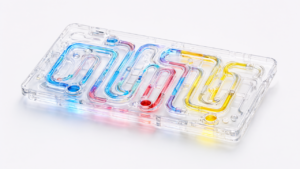
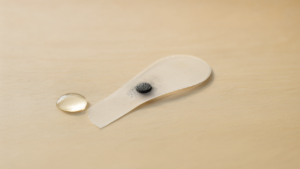
Future research in carbon-based nanomaterial sensors is advised to heavily focus on developing integrated, miniaturized sensing platforms with multiplex detection capabilities. This will allow for simultaneous screening of multiple forensically significant targets, such as illicit drugs, explosive residues, and bioterrorism agents. Another objective is to further enhance real-time, on-site analytical capabilities through integration into wearable or portable devices. These technologies have potential applications beyond forensics, extending into broader fields like environmental security, medical diagnostics, and quality control.