Key Findings
Researchers have developed a groundbreaking polymer electrolyte that simultaneously addresses the key challenges of safety and performance in lithium metal batteries. This novel electrolyte enables stable and safe operation under high voltage across an extreme temperature range from -40°C to 55°C, marking a significant breakthrough for next-generation energy storage systems.
Technical & Clinical Details
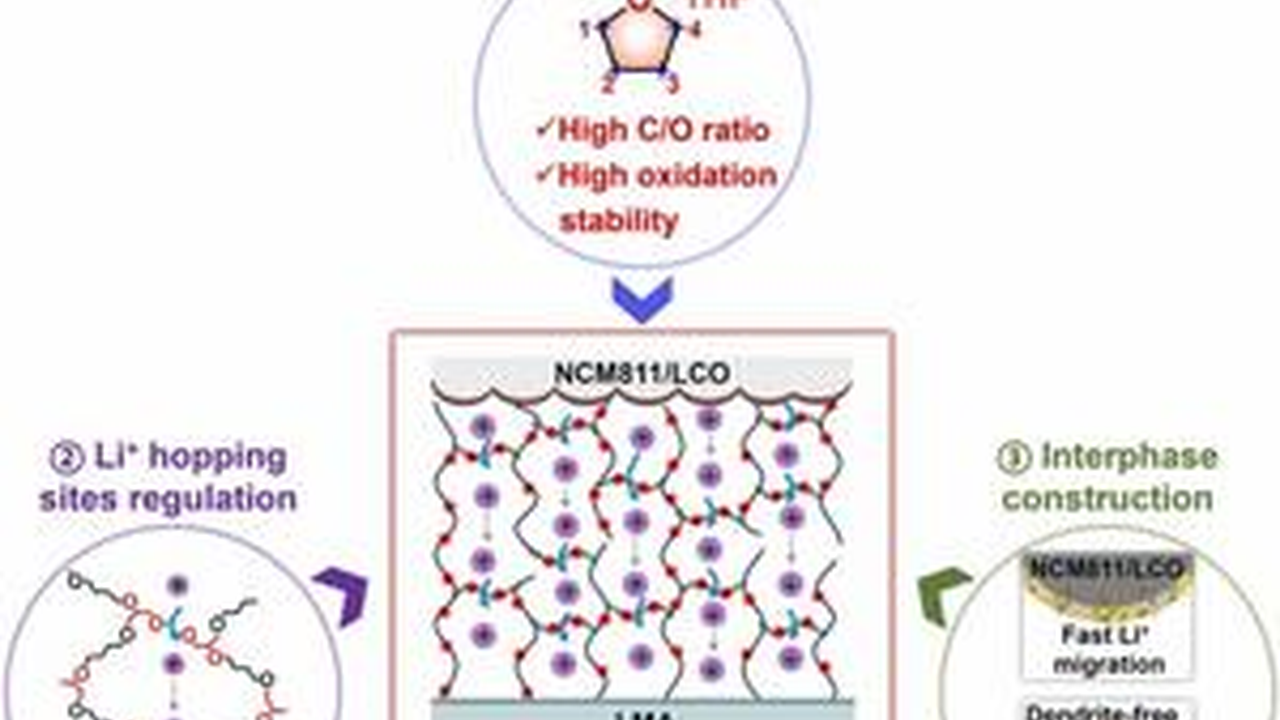
- The developed polymer electrolyte is specifically designed to directly tackle the long-standing barriers in lithium metal batteries: ‘poor oxidative stability’ and ‘insufficient ionic conductivity.’ These issues have historically limited battery lifespan, safety, and performance across various temperature environments.
- The research team precisely tuned the molecular structure of the electrolyte and constructed a robust cross-linked network to improve these performance characteristics. This cross-linked network enhances the electrolyte’s mechanical strength, suppresses dendrite formation, and simultaneously ensures rapid transport pathways for lithium ions.
- Due to this optimized molecular design, the electrolyte exhibits excellent electrochemical stability, maintaining stable operation without degradation even under high voltage conditions.
- As a result, lithium metal batteries equipped with this polymer electrolyte have been demonstrated to perform consistently well across a wide temperature range, from extremely low -40°C to high 55°C. This significantly boosts their practicality for diverse applications such as electric vehicles (EVs), aerospace, and energy storage in severe cold or hot climates.
Background & Context
Lithium metal batteries are theoretically capable of achieving very high energy densities compared to current lithium-ion batteries, making them highly anticipated as the ultimate battery for dramatically extending EV driving ranges. However, safety concerns arising from the high reactivity of lithium metal (dendrite formation and electrolyte degradation) and performance degradation at extreme temperatures have been major obstacles to their commercialization. Specifically, the volatility and flammability issues of liquid electrolytes have been a primary motivation to transition towards polymer electrolytes.
Strategic Significance & Outlook
The development of this new polymer electrolyte has the potential to significantly enhance the safety, performance, and durability of lithium metal batteries. Stable operation across a broad temperature range will not only accelerate the market penetration of EVs but also open new opportunities in fields where battery performance has been a bottleneck, such as Urban Air Mobility (UAM), space exploration, and military applications. Future efforts will focus on scaling up the manufacturing process and reducing the cost of this electrolyte, as well as long-term reliability evaluations, further driving the practical implementation of next-generation battery technology.