Key Findings
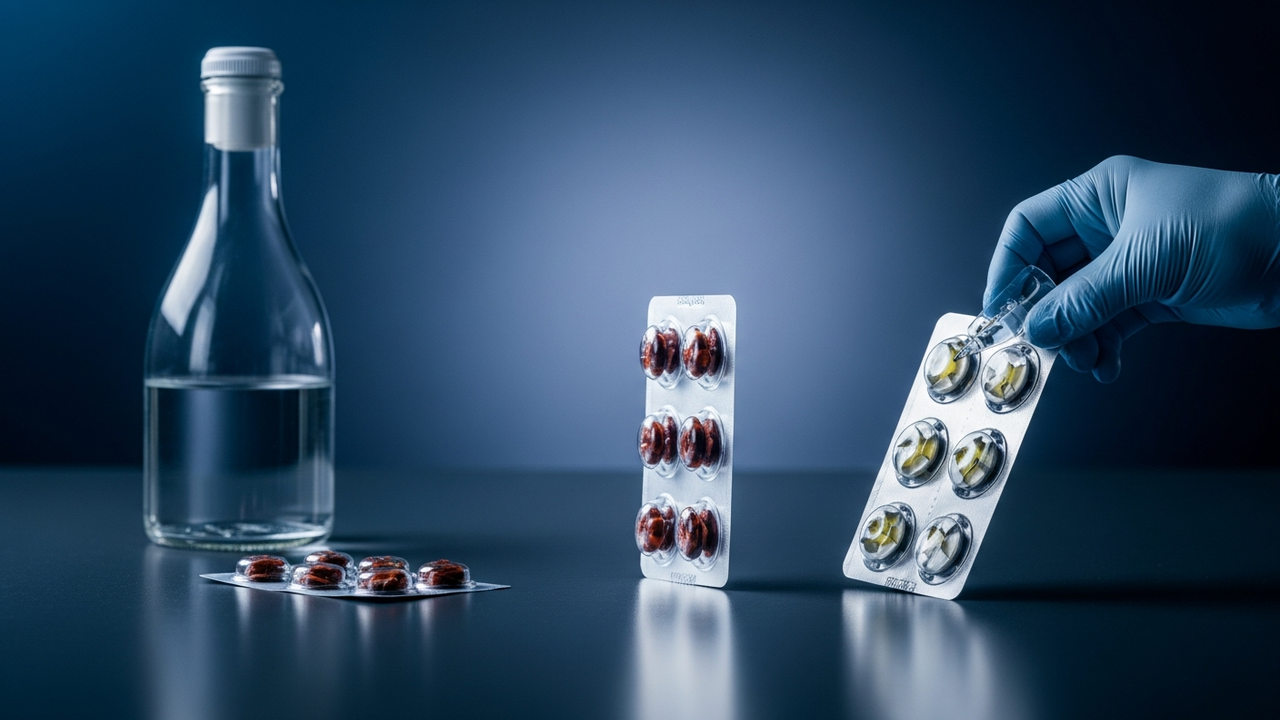
Researchers have developed a pH- and cellulase-responsive biodegradable bio-based adhesive designed to enable efficient recycling of pharmaceutical blister packs. This innovative adhesive possesses the property of selective debonding under mild pH conditions or enzymatic treatment, thereby resolving the long-standing challenge of material separation from complex multilayer packaging structures.
Technical Details
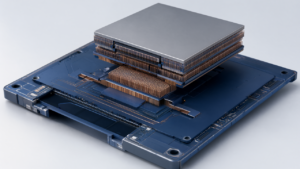
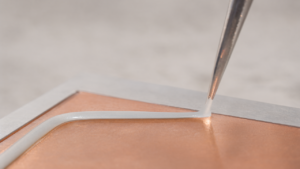
The developed bio-based adhesive primarily consists of cellulose nanocrystals (CNCs), chitosan, and a bifunctional fusion protein engineered to respond to specific pH values or enzymes (cellulase). Cellulose nanocrystals provide mechanical strength and stability to the adhesive, while chitosan imparts biocompatibility and adhesive properties. Crucially, the fusion protein acts as a ‘trigger’ that weakens the adhesive bond. Specifically, when the adhesive is exposed to a certain pH value (e.g., mildly acidic) or treated with cellulase enzymes during the recycling process, the fusion protein undergoes a conformational change, leading to a decrease in the adhesive layer’s cohesive strength. This enables clean, material-specific separation of multilayer pharmaceutical blister packs (e.g., composites of plastic and aluminum foil) without significant physical force. This selective debonding allows for high-purity recovery of each layer, enabling individual recycling.
Background and Industry Context
Pharmaceutical blister packs are essential for product protection, hygiene maintenance, and dose management. However, they typically consist of complex multilayer structures made from different materials (e.g., PVC, PVDC, aluminum foil), making them extremely difficult to recycle using current methods. The strong adhesion between dissimilar materials often requires excessive energy for separation or makes separation impossible, resulting in most packs being incinerated or landfilled. This leads not only to increased environmental burden but also to the loss of valuable resources. This research responds to increasing global regulatory pressure, such as the EU’s Packaging and Packaging Waste Directive (PPWD), and the growing commitment to sustainability within the pharmaceutical industry. Moving away from difficult-to-recycle composite materials is a key challenge in the transition to a circular economy.
Future Outlook
The development of this pH- and cellulase-responsive bio-based adhesive holds the potential to dramatically improve the sustainability of pharmaceutical packaging. Future work will need to verify the adhesive’s applicability to a wide range of blister pack materials, as well as its cost-efficiency and scalability for large-scale production. If successful, it will significantly contribute to increasing recycling rates, reducing waste, and promoting effective resource utilization in the pharmaceutical industry. Furthermore, this ‘smart debonding’ concept could be applied to other sectors facing similar challenges with difficult-to-recycle multilayer products, such as food packaging, electronics, and composite materials. The advancement of this technology is expected to be a crucial step in accelerating the transition towards more sustainable material development and waste management systems.
Source: https://pubs.rsc.org/en/content/articlehtml/2026/gc/d6gc00733c