Key Findings
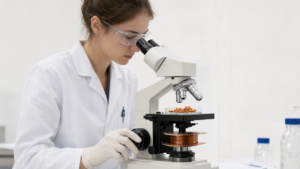
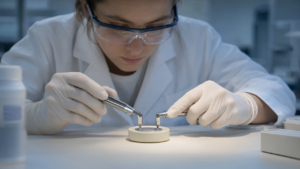
A research team at the Massachusetts Institute of Technology (MIT) has developed an innovative low-temperature and recyclable chemical process for extracting lithium from hard rock ores, such as spodumene. This new method aims to provide an environmentally less intensive and more sustainable alternative to existing energy and water-intensive lithium extraction technologies.
Technical / Clinical Details
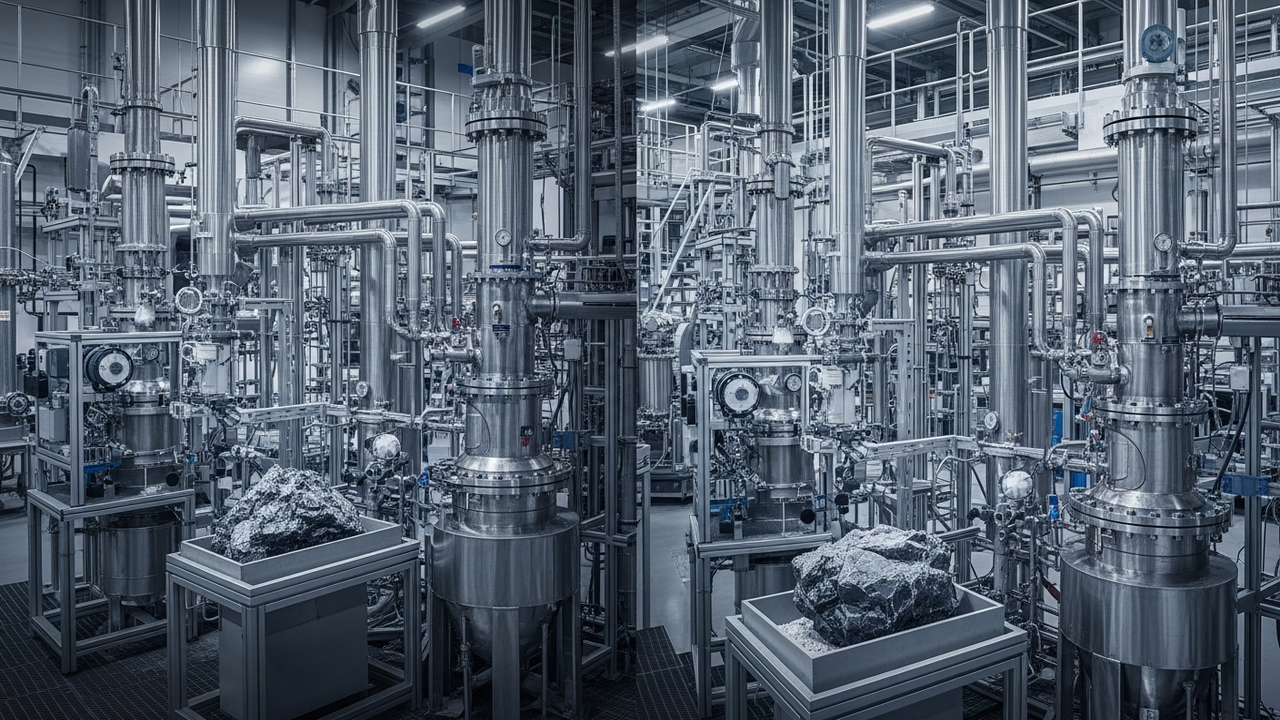
The process leverages specific chemical reactions analogous to those used in glass etching compounds. Current lithium extraction methods typically involve roasting ore at temperatures above 1,000°C, followed by water leaching, consuming vast amounts of energy and water with significant environmental impact. MIT’s new approach conducts chemical reactions under milder, lower-temperature conditions, dramatically reducing energy consumption. Furthermore, the system is designed so that some of the chemicals used are regenerated and recycled within the process itself, minimizing waste and chemical usage. While still in early development, this technology has shown promising results at the laboratory scale, indicating its potential for efficient and high-purity lithium separation.
Background & Context
Lithium, often referred to as ‘white gold,’ is in surging global demand as it is critical for electric vehicle (EV) batteries and renewable energy storage systems. Current lithium production relies primarily on two methods: extraction from hard rock and extraction from brine lakes, both of which have substantial environmental footprints. Hard rock extraction, in particular, faces challenges related to large land use, water consumption, and CO2 emissions. MIT’s technology aligns strongly with global efforts to secure sustainable lithium supplies by reducing these environmental impacts. Amid increasing lithium scarcity and environmental concerns, such innovations are crucial for supporting the future clean energy economy.
Strategic Significance & Outlook
This low-temperature, recyclable lithium extraction technology has the potential to significantly impact the diversification of future lithium sources and the reduction of environmental costs. The research team aims to scale up this technology from laboratory to pilot scale to demonstrate its commercial viability. If successful, it could alleviate the environmental burden of existing lithium production facilities and enhance the sustainability of new mining projects. In the long term, this technology is expected to contribute to cost reductions and supply stabilization for lithium-ion batteries, further accelerating the adoption of electric vehicles and renewable energy technologies globally.
Source: https://dmse.mit.edu/news/rethinking-how-lithium-is-extracted-from-hard-rock/