Key Findings
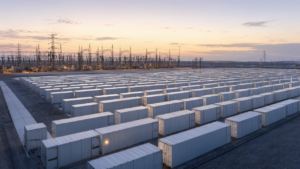
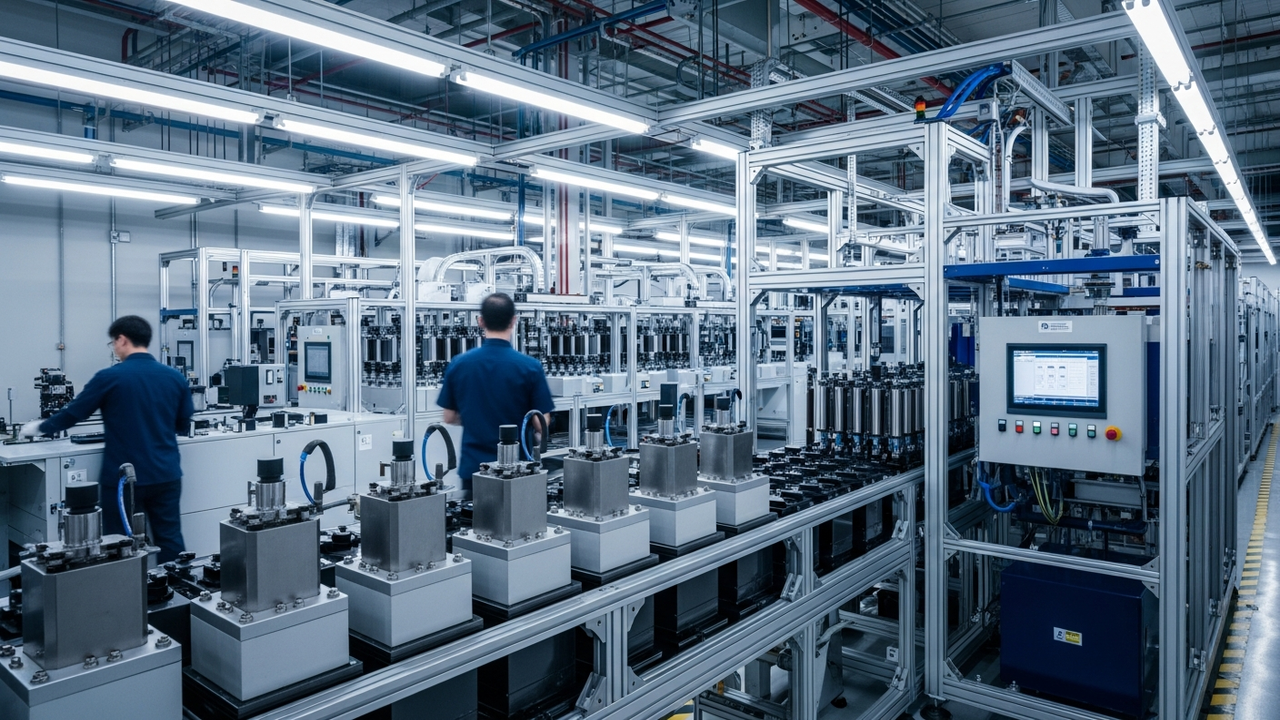
Eos Energy Enterprises has secured a significant loan guarantee of up to $305.3 million from the U.S. Department of Energy’s (DOE) Loan Programs Office. This crucial financing will enable Eos Energy to construct two manufacturing lines for its next-generation utility and industrial-scale zinc-bromine Battery Energy Storage Systems (BESS) in Pennsylvania. These lines are projected to produce over 8 GWh of storage capacity annually by 2026, an amount sufficient to instantaneously power more than 300,000 average U.S. homes.
Technical Details
Eos Energy’s flagship product, the Eos Z3™ zinc-bromine battery, is specifically engineered for long-duration, grid-scale storage. This battery offers several key technical advantages. Firstly, it supports a 100% depth of discharge (DoD), allowing for efficient and full utilization of the battery’s capacity. Secondly, it boasts an exceptionally long lifespan of 6,000 cycles or 20 years, with no age-related capacity degradation, ensuring long-term reliability and reduced maintenance costs. Furthermore, its use of an aqueous electrolyte makes it inherently non-flammable, and it does not require active cooling systems, which simplifies BESS installation and operation while reducing overall system costs. The Eos Z3™ serves as a compelling alternative to other chemistries like lithium-ion, lead-acid, sodium-sulfur, and vanadium redox, providing a safe and sustainable LDES solution.
Background and Industry Context
The U.S. is experiencing an accelerating integration of renewable energy sources (solar, wind) into its power grid, necessitating the deployment of Long Duration Energy Storage (LDES) systems for grid stabilization and enhanced reliability. The DOE’s loan guarantee program is part of a broader government strategy aimed at strengthening domestic clean energy manufacturing capabilities and reducing reliance on foreign supply chains. Particularly, with U.S. government trade restrictions on Chinese battery storage companies, policy-driven commercial opportunities are emerging for non-lithium-based LDES technologies such as flow batteries (vanadium redox and zinc-bromine), iron-air systems, and sodium-ion batteries. This policy support plays a vital role in enabling domestic companies like Eos Energy to compete effectively in the LDES market.
Outlook
The loan guarantee from the DOE is critical for Eos Energy to significantly scale up its zinc-bromine battery production capacity and solidify its position in the U.S. LDES market. The establishment of 8 GWh annual manufacturing capacity by 2026 will enhance the resilience of the U.S. grid and further accelerate renewable energy deployment. Non-flammable, long-life batteries like the Eos Z3™ will be an attractive option for utility, industrial, and commercial customers, with particular adoption expected in facilities requiring continuous operation, such as data centers and critical infrastructure. This investment will serve as a successful case study in the national effort to build a domestic clean energy technology supply chain and enhance energy security in the United States.
Source: https://www.energy.gov/edf/articles/sector-spotlight-energy-storage