Key Findings
The U.S. Department of Energy’s (DOE) Hydrogen and Fuel Cell Technologies Office (HFTO) has released its “Hydrogen and Fuel Cell Technologies Multi-Year Program Plan (MYPP)” to support the accelerated development of a hydrogen economy in the United States. This plan clearly articulates R&D priorities and a specific roadmap, notably setting critical cost targets: reducing hydrogen production costs to $2 per kilogram by 2026, and an even more ambitious target of $1 per kilogram by 2031. The MYPP serves as a guiding compass for the DOE’s comprehensive clean hydrogen strategy.
Technical & Clinical Details
The MYPP encompasses technology development across the entire hydrogen value chain, with detailed targets set in the following areas:
-
Hydrogen Production:
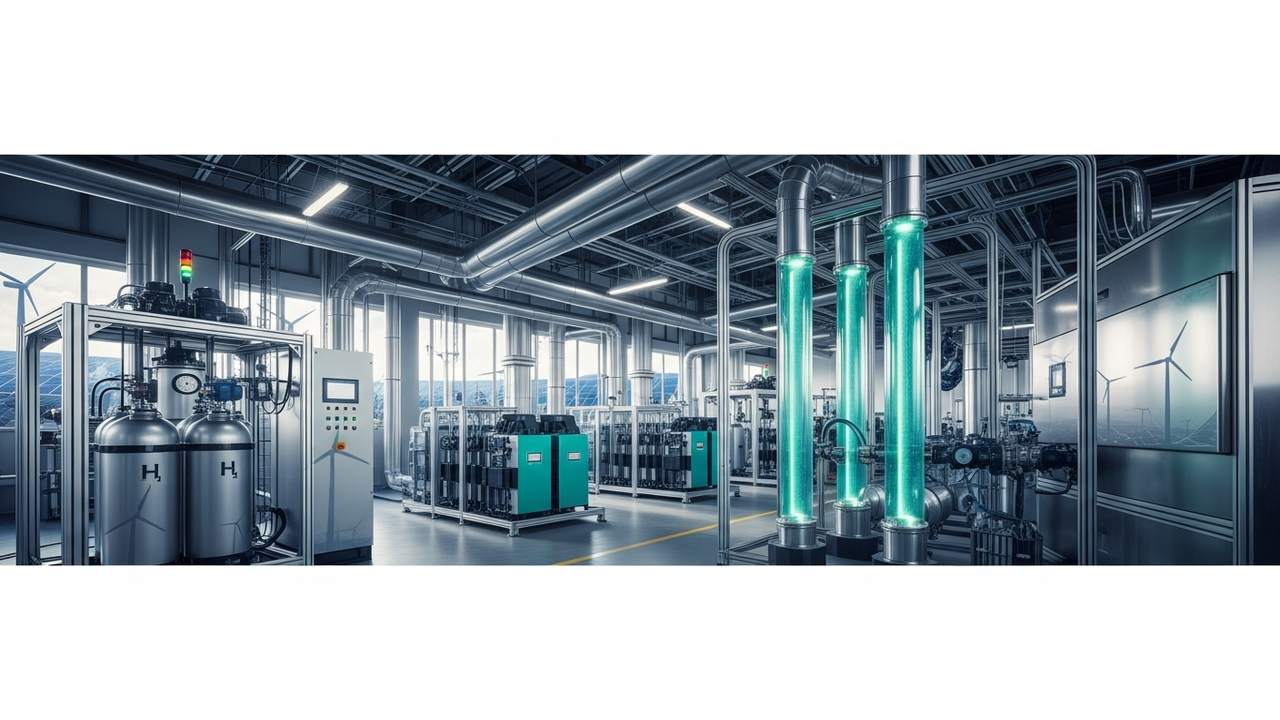
Improving efficiency and reducing costs for various low-carbon hydrogen production technologies, including green hydrogen via electrolysis from renewable sources (solar, wind) and blue hydrogen from natural gas or biomass with Carbon Capture and Storage (CCS).
-
Hydrogen Infrastructure:
Innovations and scaling in storage (underground, liquid hydrogen), delivery (pipelines, trucks, ships), and fueling stations to reduce costs. Specific cost targets for hydrogen delivery to heavy-duty vehicles are also defined.
-
Fuel Cell Technologies:
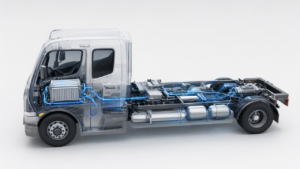
Enhancing fuel cell system performance (power density, efficiency, durability) and reducing costs. This aims for applications in stationary power generation, transportation (heavy-duty trucks, buses, rail, maritime, aviation), and industrial processes.
-
Safety, Codes, and Standards:
Developing and ensuring harmonization of international codes, standards, and regulations (CSR) for the safe handling, storage, transport, and use of hydrogen.
To achieve these goals, the DOE supports technological breakthroughs and accelerates technology commercialization through demonstration projects.
Background & Context
The United States is pursuing a national strategy to transition to a clean energy economy, driven by climate change mitigation and enhanced energy security. Hydrogen is recognized as an indispensable element for decarbonizing hard-to-electrify industries (steel, chemical) and heavy-duty transportation sectors (heavy trucks, maritime, aviation). The MYPP is designed to leverage strong incentives provided by federal policies, such as the Inflation Reduction Act (IRA), to attract private investment and accelerate the commercialization of hydrogen-related technologies. The DOE is also moving forward with plans to establish multiple regional Clean Hydrogen Hubs (H2Hubs) by 2026, aiming to stimulate regional economies and strengthen supply chains.
Strategic Significance & Outlook
The ambitious cost targets and technology roadmap outlined in the MYPP will have a decisive impact on the development of the U.S. hydrogen economy. If the $1 per kilogram hydrogen production cost is achieved, green hydrogen will become price-competitive with conventional fossil fuel-derived hydrogen and other energy sources, which is expected to dramatically accelerate its adoption. Researchers and engineers will focus on developing highly efficient and low-cost hydrogen technologies in line with this plan. For investors, it creates attractive investment opportunities in the hydrogen sector, which is projected for long-term growth under clear policy objectives and strong federal government support. This will strengthen U.S. clean energy leadership and chart a clearer path towards achieving net-zero goals more rapidly.