Background
The European Union (EU) has unequivocally positioned green hydrogen as a pivotal pillar within its overarching energy transition strategy, targeting climate neutrality by 2050. Denmark, with its formidable offshore wind resources, emerges as a nation with exceptional potential for green hydrogen production, concurrently with Germany’s pressing need for substantial hydrogen volumes to achieve industrial decarbonization. This strategic partnership between ENGIE and European Energy is designed to synergize the inherent strengths of both nations, effectively bridging the nascent supply-demand chasm. The project’s recent success in securing subsidies via the European Hydrogen Bank’s German hydrogen auction underscores its strategic significance and validates its viability at the EU level, positioning it as an archetype for accelerating the broader European hydrogen economy.
Key Findings
ENGIE, the French energy major, and Danish renewable energy developer European Energy, have formally launched a collaborative venture to construct a significant green hydrogen production facility in Denmark. This joint initiative targets the deployment of up to 150 megawatts (MW) of electrolyzer capacity, with the resultant green hydrogen slated for integration into the forthcoming Denmark-Germany hydrogen backbone infrastructure. Its core mission is to address robust industrial and mobility demands in Germany, thereby significantly contributing to the decarbonization of hard-to-abate sectors.
Technical Specifications
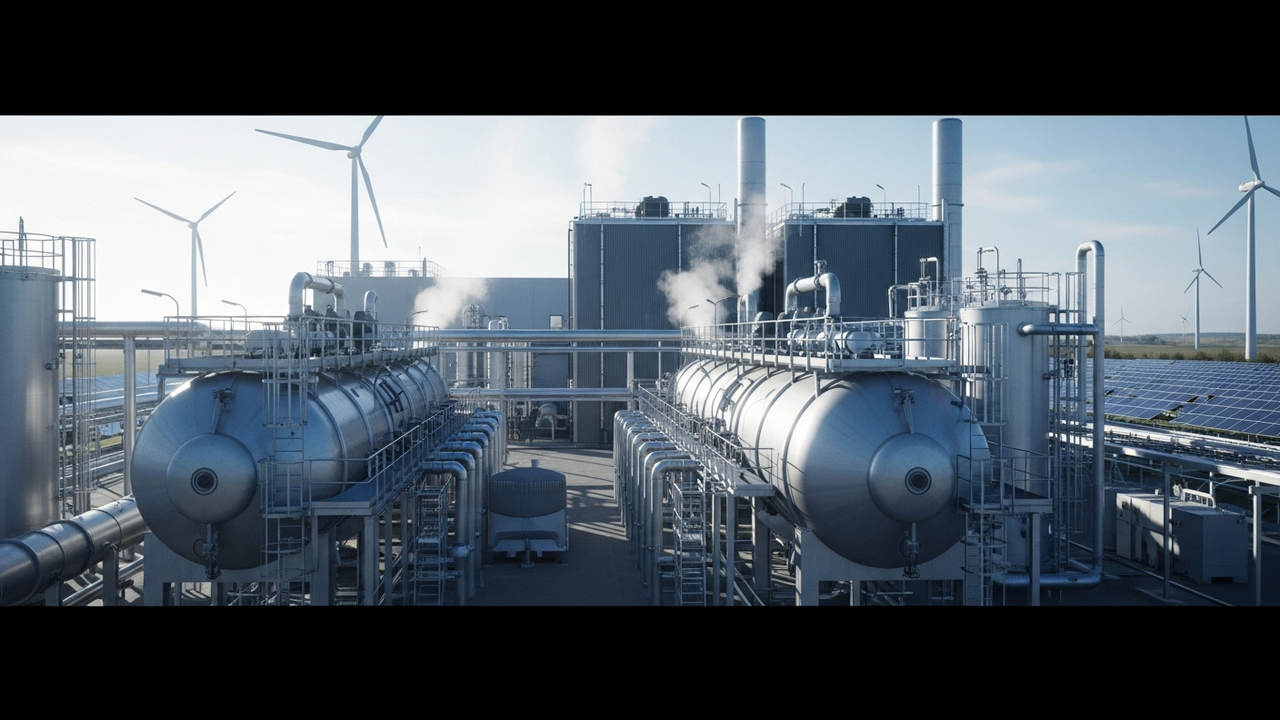
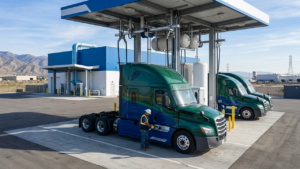
Leveraging Denmark’s rich renewable energy endowment, particularly its extensive wind and solar resources, the project will employ advanced water electrolysis processes for green hydrogen generation. The substantial 150 MW electrolyzer capacity is projected to yield thousands of tons of green hydrogen annually, providing a critical volume for large-scale industrial applications. The produced hydrogen will be transported to Germany via a high-pressure pipeline network, forming an integral segment of Europe’s envisioned “hydrogen backbone” to facilitate robust cross-border distribution. In Germany, key demand drivers are anticipated from heavy industries, including steel manufacturing, chemical production, and the heavy-duty transport sector.
Strategic Significance and Outlook
The successful realization of this large-scale green hydrogen project in Denmark will constitute an indispensable component in forging Europe’s nascent hydrogen value chain. As robust off-take markets are solidified and transnational transport infrastructure matures, this initiative will catalyze the deployment of increasingly extensive green hydrogen projects. For the research and engineering community, it promises invaluable data and empirical insights concerning the optimization of industrial-scale electrolyzer systems and high-pressure hydrogen pipeline operations. For investors, it presents compelling opportunities within sustainable and high-potential energy infrastructure projects, characterized by strong governmental and EU backing. Ultimately, such foundational projects are crucial enablers for European industries to accelerate their decarbonization pathways and transition towards a sustainable energy future.


Comments