Key Findings
An article published by REPROCELL identifies key challenges in Peripheral Blood Mononuclear Cell (PBMC) processing for multi-site clinical trials and presents innovative solutions that dramatically improve efficiency and standardization. These solutions include semi-automated, closed-system technologies and fully automated microfluidic platforms, which are crucial for enhancing the reliability of results in cell manufacturing processes and improving the overall quality of clinical trials.
Technical / Clinical Details
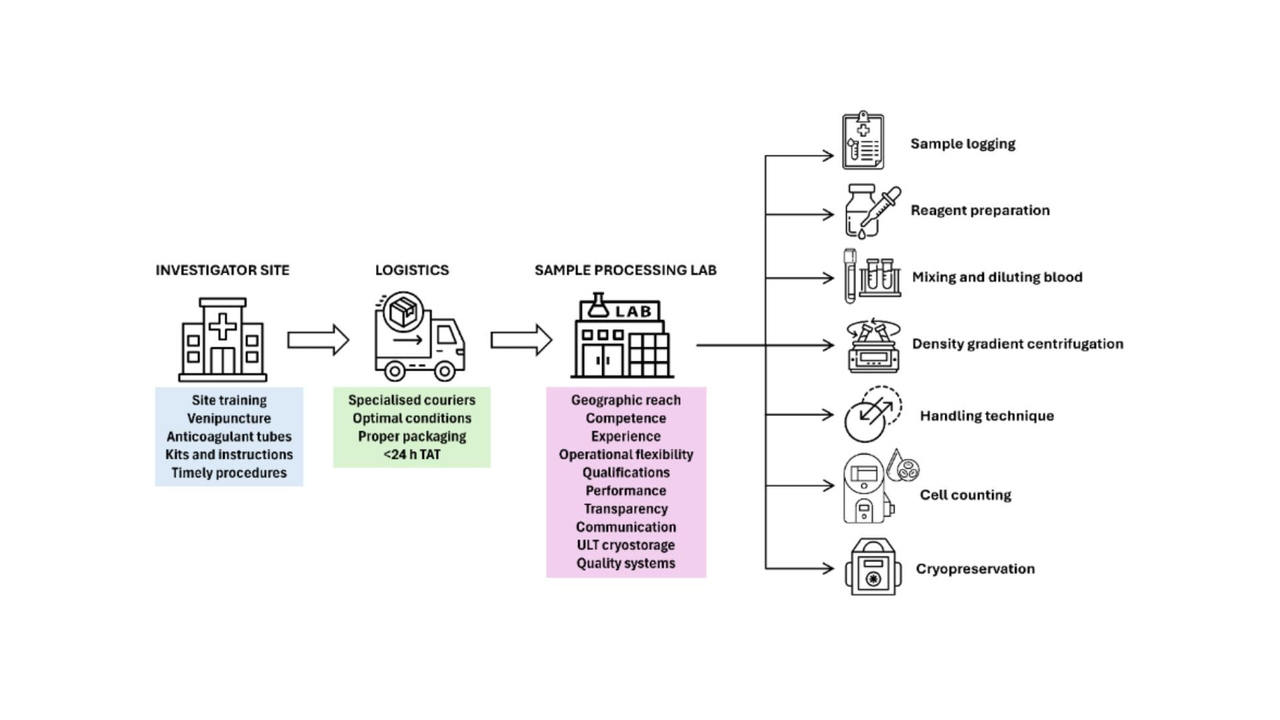
- Challenges in PBMC Processing: In multi-site clinical trials, processing PBMCs collected from different facilities often encounters issues such as protocol variability, human error, and inconsistent sample quality. These issues can compromise the reliability of clinical data and the accurate evaluation of therapeutic efficacy.
- Improved Density Gradient Centrifugation Methods: Against the backdrop of traditionally manual density gradient centrifugation, several advanced technologies are being introduced:
- Fritted barrier tubes: These tubes prevent the mixing of density gradient layers during centrifugation, enhancing the precision of PBMC layer separation.
- Cell Preparation Tubes (CPTs): Designed for direct density gradient centrifugation within the blood collection tube, these closed systems reduce contamination risks during sample transfer and simplify handling procedures.
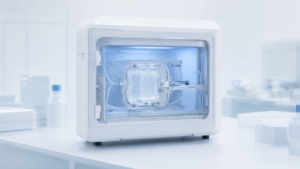
- Semi-Automated, Closed Systems: These systems standardize operational procedures and reduce human intervention, thereby minimizing batch-to-batch and site-to-site variability. Being closed systems, they effectively eliminate external contamination risks, maintaining cell quality and safety crucial for clinical applications.
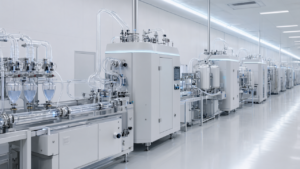
- Fully Automated Microfluidic Platforms: Leveraging cutting-edge microfluidic technology, these platforms fully automate the entire PBMC processing workflow. This enables high-throughput processing, allowing for rapid and consistent quality handling of large volumes of samples, particularly important for large-scale clinical trials. Furthermore, they significantly reduce operator hands-on time, boosting laboratory efficiency.
Background & Context
With the advancement of cell and gene therapies (CGT), the importance of multi-site clinical trials is growing. In these trials, standardizing the quality and processing of cell samples collected from facilities worldwide is essential for accurately evaluating drug efficacy and safety. PBMCs serve as valuable starting material for immune cell therapies and biomarker research, and their high-quality processing directly correlates with the success of clinical development. The technologies discussed in this article directly address these critical requirements.
Strategic Significance & Outlook
Standardization and automation of PBMC processing are indispensable for accelerating clinical development and enhancing the reliability of cell and gene therapy products. The widespread adoption of these advanced solutions is expected to improve the quality of data from multi-site clinical trials, enabling faster and more accurate decision-making. Ultimately, this will not only allow patients access to safer and more effective cell therapies but also contribute to streamlining cell manufacturing processes and reducing costs, supporting the sustainable growth of the entire industry globally.