Key Findings
Heartseed Inc. announced the successful dosing of the first patient in its Phase I/II EMERALD clinical study for “HS-005,” an iPSC (induced pluripotent stem cell)-derived cardiomyocyte spheroid-based cell therapy targeting patients with severe heart failure. HS-005 represents a pioneering therapeutic approach aimed at restoring damaged cardiac function, with its cardiomyocyte spheroids manufactured by Nikon CeLL innovation Inc.
Technical / Clinical Details
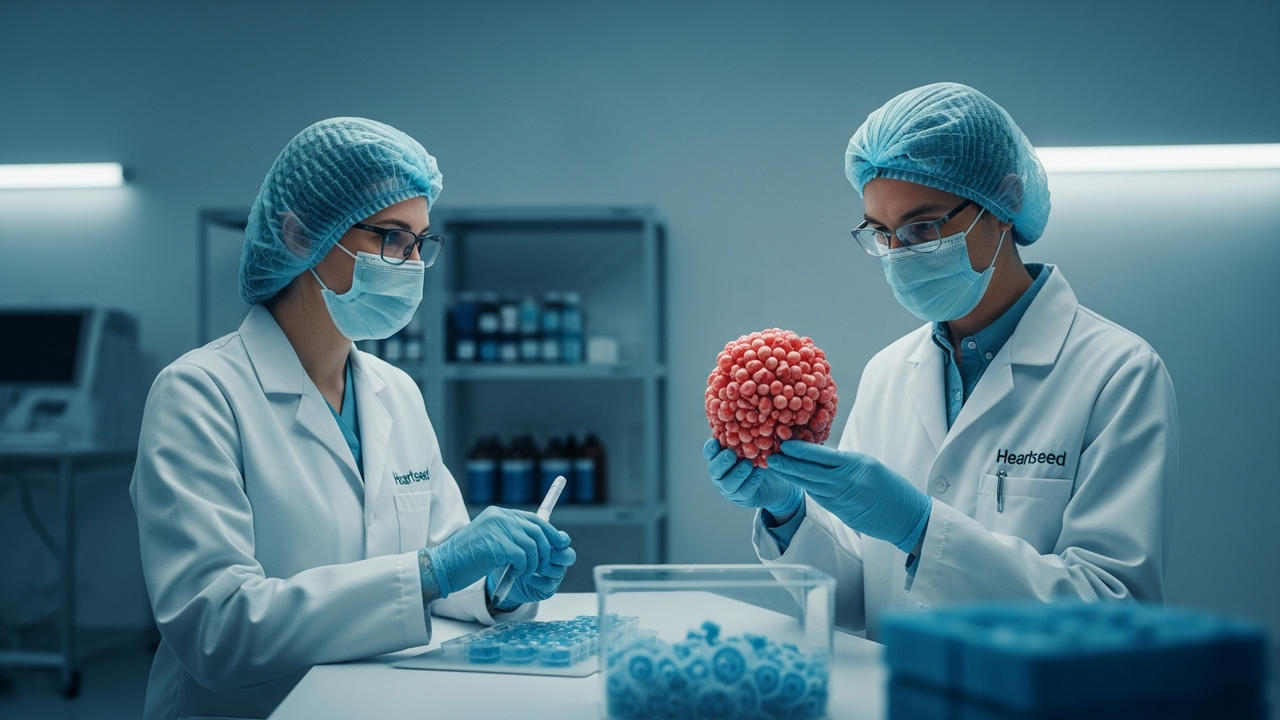
- Mechanism of HS-005: HS-005 is comprised of highly pure cardiomyocyte spheroids, differentiated from iPSCs. These spheroids are administered directly into the fibrotic tissue or damaged areas of the myocardium post-infarction, using a catheter. The transplanted cardiomyocytes are expected to electrically couple with the host cardiac tissue, restore contractile force, and improve overall heart function. The iPSC-derived nature ensures a stable supply and consistent quality.
- Phase I/II EMERALD Study: This study aims to evaluate the safety and efficacy of HS-005 in patients with severe heart failure. After confirming safety in Phase I, Phase II will assess efficacy endpoints in a larger patient cohort, such as improvements in left ventricular ejection fraction, increased exercise tolerance, and reduction in heart failure-related events. The successful first patient dose is a critical milestone indicating that clinical development is proceeding as planned.
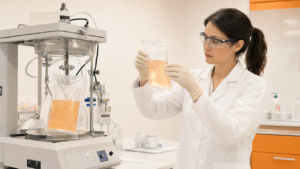
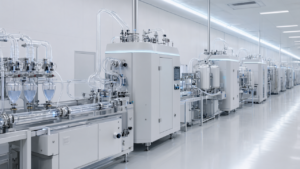
- Manufacturing by Nikon CeLL innovation: The cardiomyocyte spheroids for HS-005 are manufactured in Nikon CeLL innovation’s advanced GMP (Good Manufacturing Practice)-compliant facilities, which specialize in contract development and manufacturing services for regenerative medicine products. The ability to stably supply high-quality and homogeneous cell products at scale is indispensable for the clinical application and commercialization of cell therapies.
- Advantages of Catheter-Based Delivery: Administering the therapy via a minimally invasive catheter, rather than open-chest surgery, reduces the physical burden on patients and enhances treatment accessibility.
Background & Context
Heart failure remains one of the leading causes of death worldwide, and patients with severe heart failure experience significantly diminished quality of life with limited effective treatment options. Regenerative medicine, particularly myocardial regeneration using iPSC technology, is considered one of the most promising approaches to address this unmet medical need. Japan, as a pioneer in iPSC technology and with a well-developed regulatory environment for regenerative medicine, is establishing itself as a global leader in this field. The collaboration between Heartseed and Nikon CeLL innovation exemplifies the fusion of Japanese technological innovation and manufacturing capability.
Strategic Significance & Outlook
The successful first patient dosing in the EMERALD study for HS-005 represents a significant step forward towards the practical application of iPSC-derived cell therapy for severe heart failure. If future clinical trial results demonstrate both safety and efficacy, this therapy could become a transformative option to improve the prognosis and quality of life for heart failure patients. This achievement also paves the way for other iPSC-derived organ cell therapies and is expected to contribute to the further development of Japan’s regenerative medicine industry.