Key Findings
Quality control in biopharmaceutical manufacturing is transitioning from traditional endpoint testing to next-generation Process Analytical Technology (PAT), enabling real-time, in-line measurement. The integration of AI and machine learning is structurally improving process optimization and early detection of quality deviations, leading to a dramatic enhancement in product quality consistency.
Technical / Clinical Details
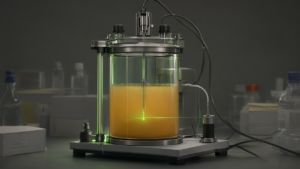
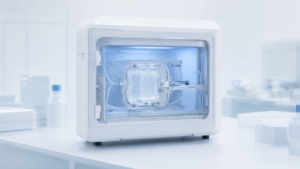
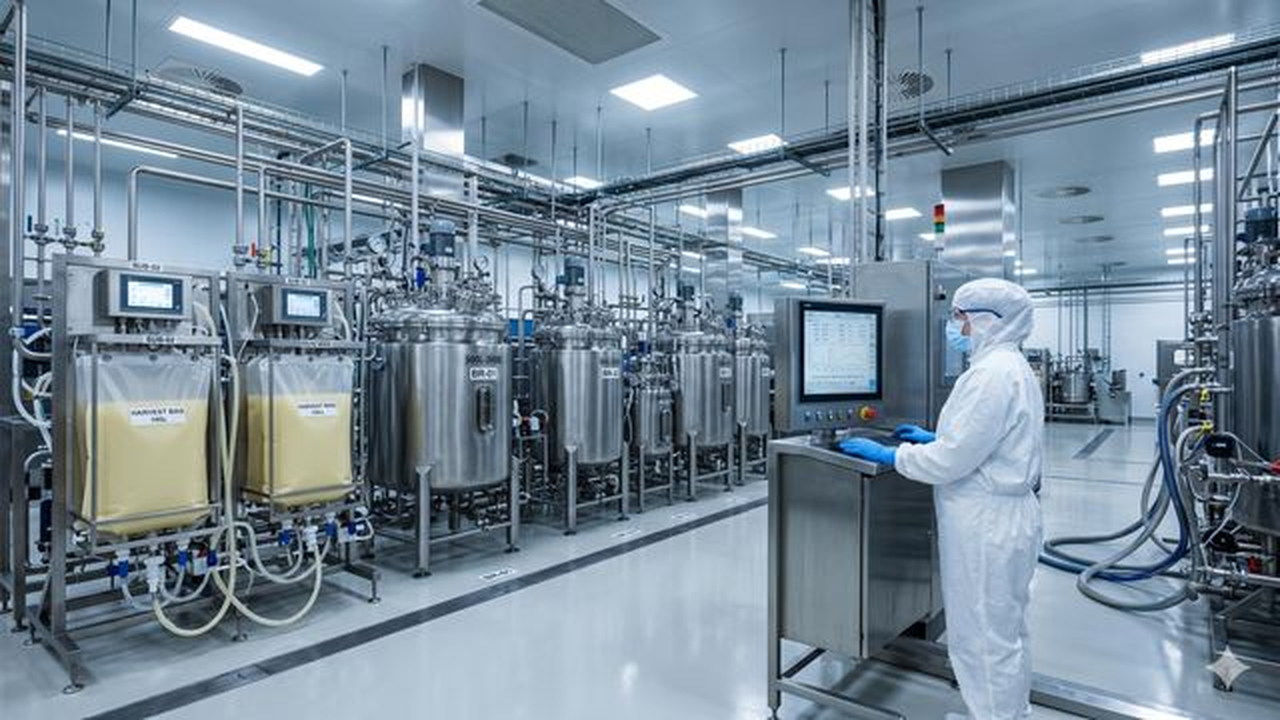
- Evolution of PAT: PAT embeds advanced analytical tools, such as spectroscopy, chromatography, and imaging techniques, directly into the manufacturing process to monitor and control quality in real-time across an entire batch. This allows for immediate detection of production variations and enables prompt corrective actions.
- FDA ICH Q13 Guidance: The FDA’s ICH Q13 guidance on continuous manufacturing, finalized in March 2023, encourages the adoption of continuous manufacturing processes and stresses the importance of enhanced process monitoring and Real-Time Release Testing (RTRT). This regulatory impetus strongly drives the implementation of PAT technologies.
- AI and Machine Learning Integration: AI and machine learning algorithms recognize patterns from vast amounts of process data, predicting process anomalies and potential issues with high accuracy. This enables predictive maintenance, boosts production efficiency, and minimizes the risk of product quality failures. Combined with digital twin technology, virtual process optimization is also advancing.
Background & Context
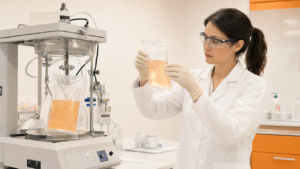
Biopharmaceuticals, due to their complex molecular structures and manufacturing processes, necessitate particularly stringent quality control. Traditional ‘Quality by Testing’ approaches evaluated quality only at the final stages of production, making corrections difficult and costly when issues arose. In contrast, PAT, guided by Quality by Design (QbD) principles, advocates for embedding quality from the design phase, significantly improving manufacturing robustness and efficiency. The pharmaceutical industry faces urgent challenges to ensure product quality and safety while accelerating time-to-market and reducing costs.
Strategic Significance & Outlook
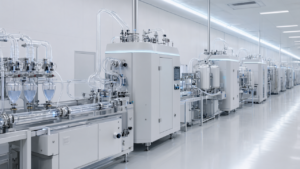
The integration of next-generation PAT and AI will accelerate the biopharmaceutical industry’s transition to ‘Industry 4.0’. This will evolve manufacturing sites into smarter, more autonomous systems, maximizing productivity and reducing human error. In the future, entire production lines may self-optimize in real-time, and regulatory data submissions could be automated and simplified, further expediting the market introduction of new drugs. This represents a crucial advancement not only for improving patient access but also for strengthening the competitiveness of pharmaceutical companies.