Background
For decades, drug discovery pipelines have predominantly relied on conventional 2D cell cultures and animal models. However, both approaches present significant limitations in accurately replicating the complex physiological environment of human tissues and the diverse manifestations of human diseases. Challenges include interspecies differences in drug metabolism and toxicity, as well as the inherent inability of cells in 2D cultures to fully express their native functional complexities. The emergence of organoid technology directly addresses these critical shortcomings, enabling the construction of more predictive drug discovery platforms. This advancement holds immense promise for reducing high clinical trial failure rates and accelerating the development and delivery of safer, more effective therapeutics to patients.
Key Findings
The adoption of 3D organoid models is rapidly accelerating across drug discovery and development, delivering significantly enhanced physiological relevance compared to conventional 2D cell culture systems. These advanced models are spearheading groundbreaking progress in deciphering intricate disease mechanisms and rigorously evaluating novel therapeutic candidates.
Technical Insights
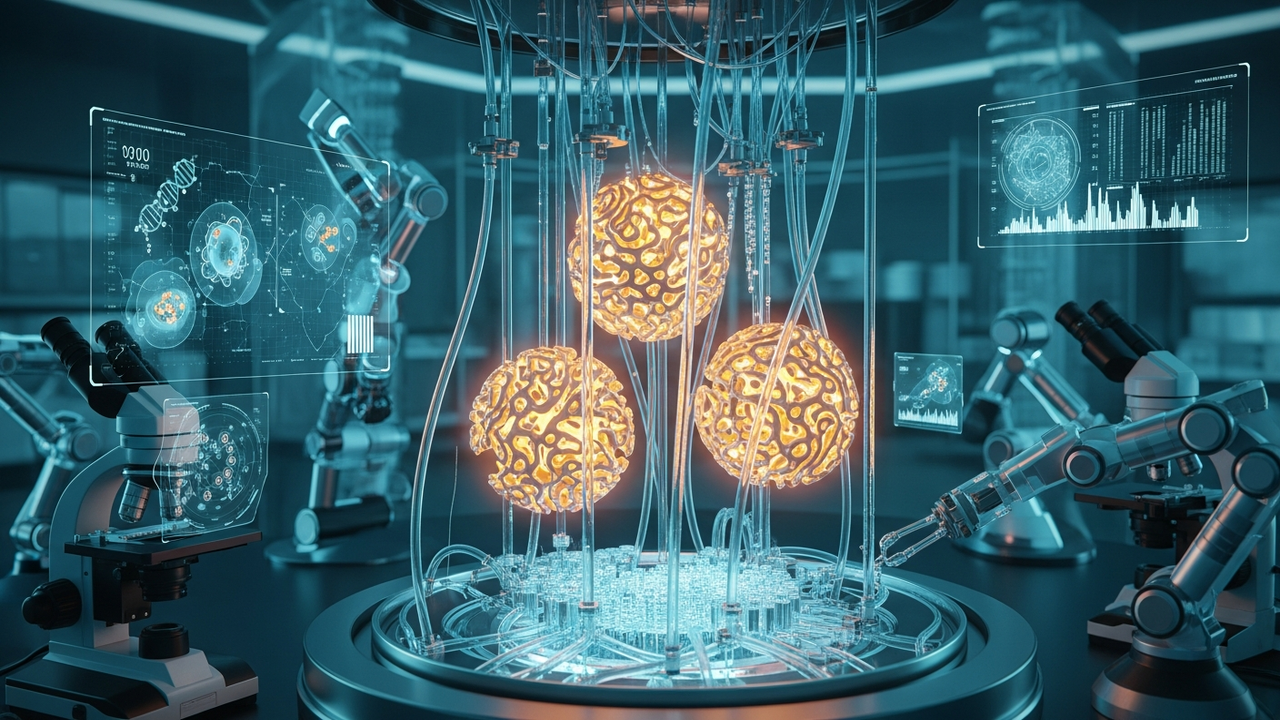
- Physiological Fidelity: Organoids are derived from various stem cell sources, including induced pluripotent stem cells (iPSCs), and possess the remarkable ability to self-organize into miniature tissue structures that closely mimic in vivo organs (e.g., gut, brain, liver). This intrinsic self-assembly ensures the preservation of complex physiological attributes, including intricate cell-to-cell interactions, native extracellular matrix components, and crucial tissue polarity.
- Diverse Applications: These physiologically relevant 3D models are extensively employed for assessing the efficacy of drug candidates in high-throughput screening assays, evaluating potential drug toxicity, and meticulously constructing advanced disease models for specific pathological conditions. Furthermore, they are recognized as foundational tools for tissue regeneration and cell transplantation research within the broader field of regenerative medicine.
- Enabling Technologies & Providers: The widespread adoption of organoid research is significantly supported by technology providers. Companies such as Corning supply high-efficiency 3D cell culture hydrogels and specialized plates, while STEMCELL Technologies offers proprietary media and comprehensive protocols, exemplified by their STEMdiff™ Intestinal Organoid Kit. These industry leaders empower researchers by providing standardized methods and essential tools, thereby enhancing the accessibility and reliability of organoid model utilization.
Strategic Significance and Future Outlook
Organoid technology is poised for continuous evolution, solidifying its position as an indispensable central tool in drug discovery and biomedical research. Future advancements are anticipated to include the development of sophisticated ‘multi-organ-on-a-chip’ systems, enabling the study of inter-organ interactions, and expanding applications in personalized medicine leveraging patient-derived iPSCs. Specifically, the ability to generate disease-specific organoids from individual patient cells holds profound implications for the realization of ‘precision medicine,’ facilitating the tailoring of optimal treatments to individual patient profiles. Moreover, the integration of organoid models into automated high-throughput screening systems will dramatically enhance the efficiency and scalability of organoid-based research, promising a fundamental transformation of the entire drug discovery pipeline.
Source: https://uu.diva-portal.org/smash/get/diva2:2066910/FULLTEXT01.pdf