Key Findings
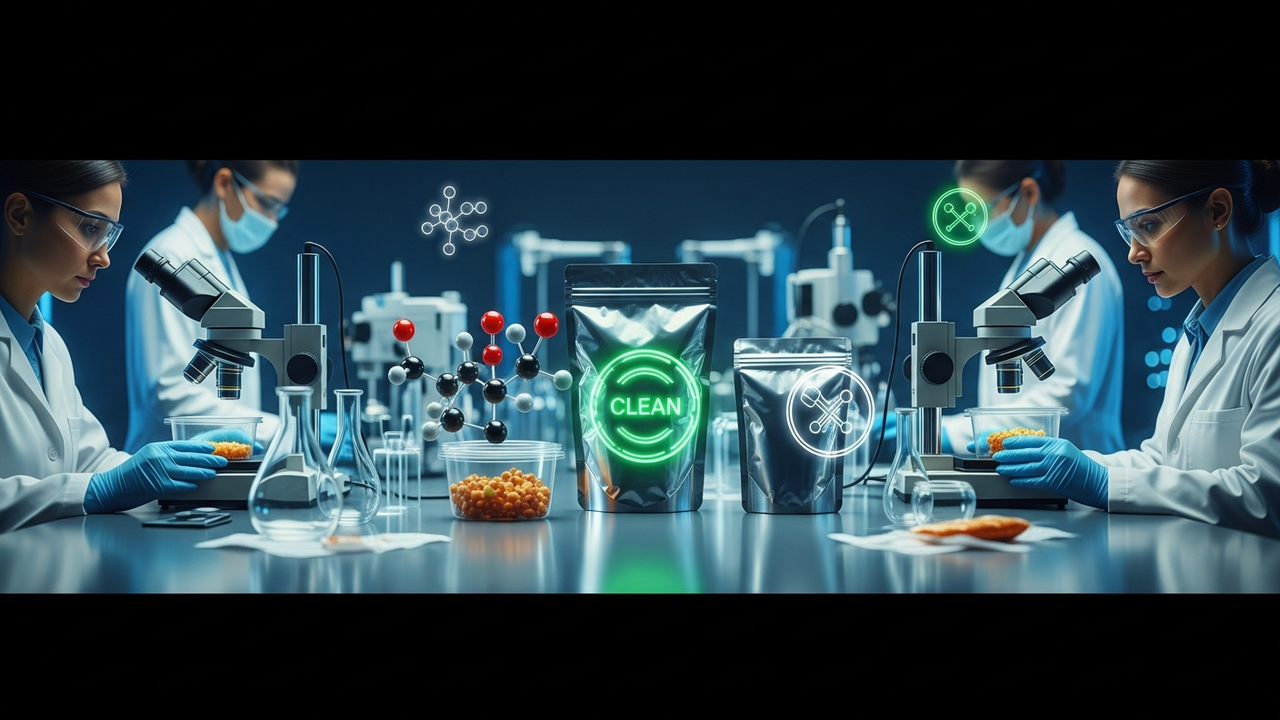
Democratic lawmakers in the U.S. Congress have introduced a landmark piece of legislation, the “No Toxics in Food Packaging Act,” targeting the pervasive use of harmful chemicals in food packaging and processing materials. This proposed bill seeks to impose a comprehensive federal ban on the intentional addition of specific chemical classes, including per- and polyfluoroalkyl substances (PFAS), phthalates, bisphenol A (BPA), and styrene polymers. The initiative underscores a robust effort to bolster consumer health protections and fundamentally revise safety standards for materials in contact with food.
Technical / Clinical Details
PFAS compounds have been widely utilized in food packaging for their superior water and grease resistance, serving primarily as repellent coatings. Phthalates are commonly incorporated as plasticizers to enhance flexibility, while BPA is a key component in polycarbonate plastics and epoxy resins, often found in liners for food cans. Styrene polymers are extensively used in foamed containers and other plastic packaging. Concerns over these chemicals stem from documented evidence of endocrine disruption, potential carcinogenicity, and their ability to leach into food, subsequently affecting human health. A critical aspect of this bill is its explicit provision to prevent “regrettable substitution”—the replacement of banned chemicals with alternatives that pose similar health or environmental risks. This mandate will compel manufacturers to innovate towards demonstrably safer materials and design paradigms.
Background & Context
For decades, the food packaging industry has relied heavily on plastic materials for their convenience, preservation capabilities, and cost-effectiveness. However, recent years have seen growing public and scientific concern over plastic pollution and the health impacts of chemicals contained within these materials. PFAS, often dubbed “forever chemicals,” are particularly problematic due to their extreme persistence in the environment and widespread detection in drinking water and the food chain. While several U.S. states have already implemented individual bans on PFAS, federal legislation would establish a uniform standard across the nation, accelerating industry-wide transformation and ensuring a more consistent level of safety.
Strategic Significance & Outlook
Should the “No Toxics in Food Packaging Act” be enacted, it would necessitate a significant overhaul of existing product portfolios for food packaging manufacturers, driving accelerated investment in alternative materials. This will dramatically increase demand for safer, more sustainable solutions, including bio-based plastics, recycled content plastics, and advanced paper-based coatings. Anticipated challenges include increased costs and technical hurdles in material development and manufacturing. Consequently, cross-supply chain collaboration and innovation will be crucial. Investors are expected to closely monitor these regulatory shifts, favoring companies that demonstrate strong adaptability and a proactive approach to sustainable material transitions, which will likely correlate with long-term enterprise value.
Source: https://www.wastedive.com/news/pfas-phthalates-bpa-food-packaging-congress-bill-no-toxics/718712/