Key Findings
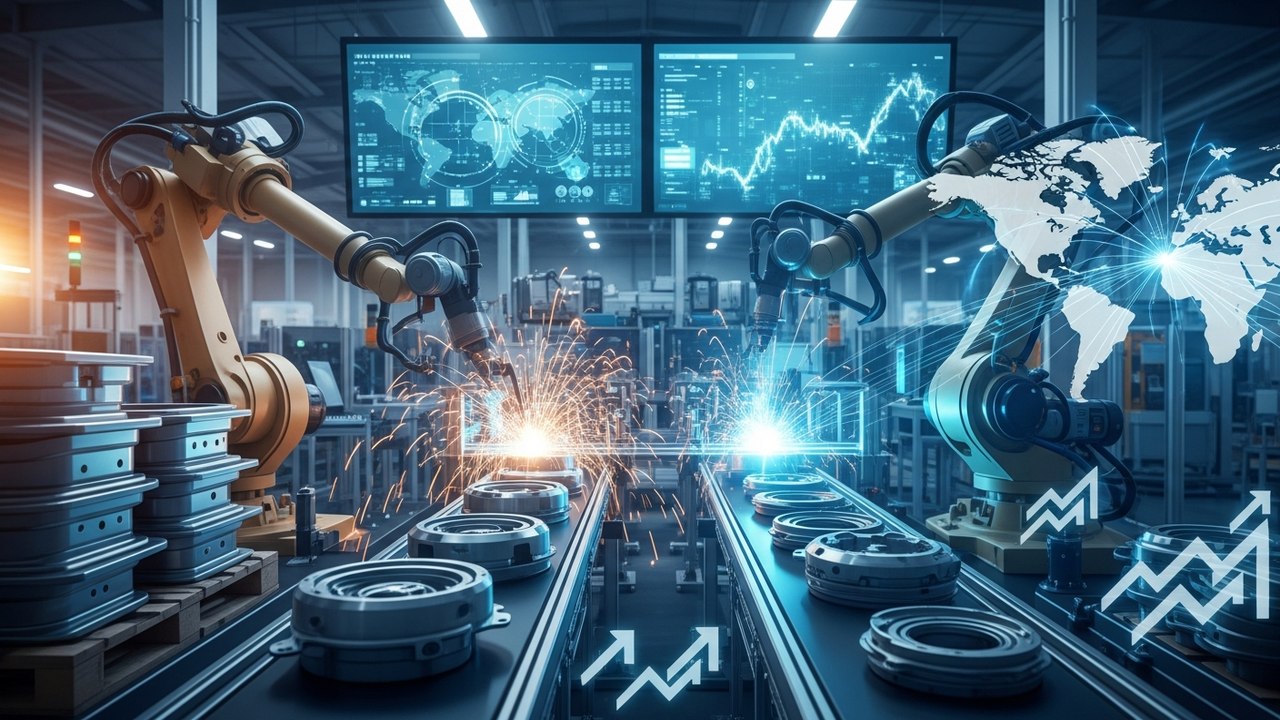
U.S. manufacturing activity in May 2026 recorded its most rapid expansion in the past two years, signaling robust economic momentum. However, this growth is occurring amidst persistent inflationary pressures and geopolitical instability stemming from the Middle East. Notably, raw material prices have seen an uninterrupted increase for 20 consecutive months. This trend has not only driven up the costs of key metals like steel and aluminum but has also significantly impacted petroleum-based products, which are fundamental feedstocks for the polymer industry. Consequently, the entire supply chain faces escalating costs, compelling manufacturers to re-evaluate their procurement strategies.
Technical / Clinical Details
Accelerated manufacturing typically indicates higher demand for finished goods, which, in turn, boosts demand for raw materials. The surge in prices for petroleum-based products directly affects the production costs of a vast array of polymer materials, including plastics, rubbers, and fibers. Polymer producers are confronted with the dilemma of either passing increased raw material costs onto product prices, implementing more efficient production technologies, or absorbing costs through negotiations with suppliers. Materials for niche markets, such as high-performance polymers and specialty resins, are particularly vulnerable to price fluctuations due to their limited substitutability. This scenario demands sophisticated risk management in supplier selection, inventory management, and long-term contract strategies.Background & Context
The global economy has been contending with prolonged supply chain disruptions and inflation, driven by a confluence of factors including recovery from the pandemic, the conflict in Ukraine, and escalating instability in the Middle East. Fluctuations in oil and gas prices specifically have a direct and profound impact on the entire chemical industry, and by extension, the polymer materials market. While robust U.S. manufacturing growth is a positive indicator, the ongoing challenges of inflation and geopolitical risks necessitate continued cautious management from businesses. This backdrop involves multifaceted issues, including volatile energy costs, rising logistics expenses, and labor shortages.
Strategic Significance & Outlook
While the acceleration in manufacturing is a promising sign of economic recovery, elevated raw material costs and supply chain volatility will remain significant concerns for the polymer materials industry in the foreseeable future. Companies must prioritize strategies such as diversifying raw material sources, strengthening regional procurement (reshoring/friendshoring), optimizing inventory strategies, and enhancing supply chain visibility and resilience through digital technologies. Furthermore, the transition towards sustainable materials like bio-based polymers and recycled polymers is expected to gain even more traction, driven by both long-term cost stability and environmental achievement goals.
Source: https://www.eetimes.com/manufacturing-accelerates-in-may-amid-inflation-and-geopolitical-headwinds/