Background and Technical Challenges
The electric vehicle (EV) market faces increasingly fierce competition, with range anxiety, lengthy charging times, and battery degradation remaining significant barriers for consumers transitioning to EVs. All-solid-state batteries (ASSBs), by eliminating liquid electrolytes, offer a fundamental solution to these challenges, promising superior safety, high energy density, and rapid charging capabilities as a next-generation technology. However, mass production has been hampered by major technical hurdles, including ensuring uniform manufacturing of solid electrolyte sheets, reducing production costs, and guaranteeing long-term durability.
Key Findings and Technical Breakthroughs
Toyota, the automotive industry giant, has reportedly intensified its mass production plans for ASSB-equipped EVs, aiming for an early market launch between 2027 and 2028. The company’s performance targets are exceptionally ambitious and, if realized, would revolutionize the EV market:
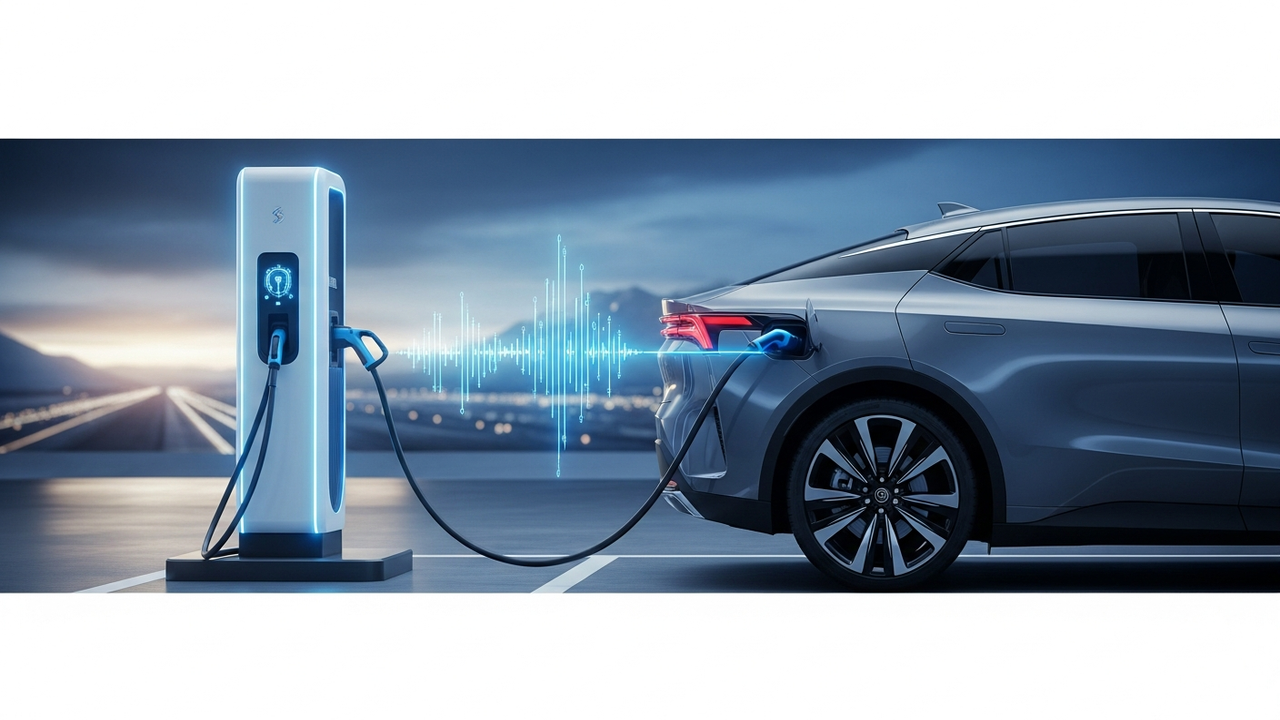
- Ultra-Fast Charging: A mere 5 minutes to fully charge the battery, a speed comparable to refueling a gasoline car.
- Ultra-Long Range: An astonishing 1,200-mile (approximately 1,930km) driving range on a single charge, which would entirely eliminate range anxiety.
- High Energy Density: An extremely high energy density of 1500 Wh/kg, roughly double that of current lithium-ion batteries.
- Extended Lifespan: A target of 90% capacity retention over 40 years, fundamentally addressing battery degradation concerns.
To achieve these goals, Toyota is taking concrete steps in supply chain development:
- Production License Acquisition: Already secured production licenses for all-solid-state batteries within Japan.
- Partnerships with Material Manufacturers: Signed a joint development agreement with Sumitomo Metal Mining for the mass production of cathode materials.
- Pilot Factory Construction: A large-scale all-solid-state battery pilot factory with Idemitsu Kosan has commenced construction.
These actions indicate Toyota’s deep commitment not only to R&D but also to establishing actual production and material supply systems.
Technical Significance and Outlook
Toyota’s announcements regarding ASSBs have the potential to send “shockwaves” through the global EV market. If the targets of 5-minute charging, 1,200-mile range, and 40-year lifespan are achieved, the very concept of an EV will be profoundly transformed. Consumers would be able to choose EVs without worrying about range, charging time, or battery degradation, removing the biggest barriers to EV adoption. This could dramatically accelerate the transition from gasoline vehicles to EVs.
Crucially, the concrete actions of major Japanese companies, collaborating with material manufacturers like Idemitsu and Sumitomo Metal Mining, acquiring production licenses, and commencing pilot factory construction, strongly indicate that ASSBs are transitioning from “laboratory-level technology” to “industrial-level reality.” The biggest hurdles in mass production are the uniform manufacturing of solid electrolyte sheets and the reduction of production costs. Toyota’s strong momentum and comprehensive supply chain efforts will be key to overcoming these challenges. This progress suggests that the Japanese automotive industry is poised to once again lead the world in next-generation battery technology and shape the future of global mobility.


Comments