
Background
The global pharmaceutical industry is navigating a complex landscape characterized by escalating drug development complexities, increasing specialization, and a heightened imperative for supply chain resilience. In response, many major pharmaceutical companies are strategically reassessing their manufacturing operations, leading to an accelerated trend of divesting non-core production assets and increasing outsourcing to contract development and manufacturing organizations (CDMOs). This shift is driven by the emergence of advanced modalities such as cell and gene therapies, highly potent active pharmaceutical ingredients (HPAPIs), and antibody-drug conjugates (ADCs), all of which demand specialized technical expertise and substantial capital investments in manufacturing infrastructure. These evolving dynamics present significant growth opportunities for the CDMO sector.
Key Findings / Results
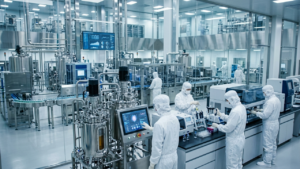
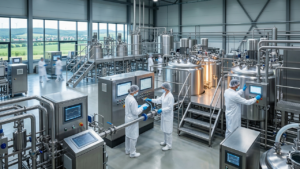
As a critical facet of the ongoing pharmaceutical manufacturing realignment, several leading CDMOs have acquired manufacturing facilities from major pharmaceutical companies. Notably, South Korea’s Samsung Biologics purchased GSK’s Rockville, Maryland manufacturing site, establishing its first U.S. production presence and adding 60,000L of drug substance manufacturing capacity capable of supporting multi-scale clinical and commercial biopharmaceutical production. Concurrently, Rois (Laboratorios Farmaceuticos Rovi) acquired Bristol Myers Squibb’s (BMS) sterile injectables facility in Phoenix, Arizona. Furthermore, Adragos Pharma secured Sanofi’s sterile fill-and-finish facility in France. These acquisitions collectively underscore a broader industry trend where pharmaceutical companies are strategically restructuring their manufacturing portfolios, including domestic capabilities, thereby creating significant avenues for CDMOs to offer comprehensive, integrated manufacturing solutions.
Technical Significance & Outlook
This series of strategic moves unequivocally signals a concerted shift by pharmaceutical companies to streamline operations, divest non-core assets, and deepen their reliance on CDMO partners. By acquiring established facilities, inheriting skilled workforces, and assuming existing manufacturing contracts, CDMOs are positioned to ensure continuity of supply and expanded capacity for their clients, thereby fostering more integrated supply chains. The substantial increase in CDMO capabilities, particularly in biopharmaceuticals and sterile injectables—areas demanding highly specialized expertise and infrastructure—is expected to robustly support both clinical and commercial pipelines going forward. Key challenges for CDMOs include the seamless integration of acquired facilities, successful technology transfers, and maintaining agility to meet diverse and rapidly evolving manufacturing demands. This trend is anticipated to further accelerate the specialization and efficiency of the entire pharmaceutical supply chain, driving innovation in manufacturing processes and capacity utilization.




Comments