Background
Breast cancer continues to pose a significant global health challenge for women, underscoring the urgent need for advancements in early diagnosis and more effective therapeutic strategies. Current chemotherapies frequently encounter limitations such as non-specific drug distribution throughout the body and severe systemic side effects. This necessitates the development of ‘targeted drug delivery systems’ capable of precisely delivering therapeutic agents to cancer cells, thereby minimizing collateral damage to healthy tissues. Nanotechnology, particularly the use of gold nanoparticles (AuNPs), has emerged as a promising avenue in cancer therapy, celebrated for its excellent biocompatibility, facile surface functionalization, and inherent ability to selectively accumulate within tumor environments. The advent of plant-based AuNP synthesis further elevates their appeal as sustainable biomedical materials, owing to their inherent eco-friendliness and reduced toxicity profile.
Key Findings
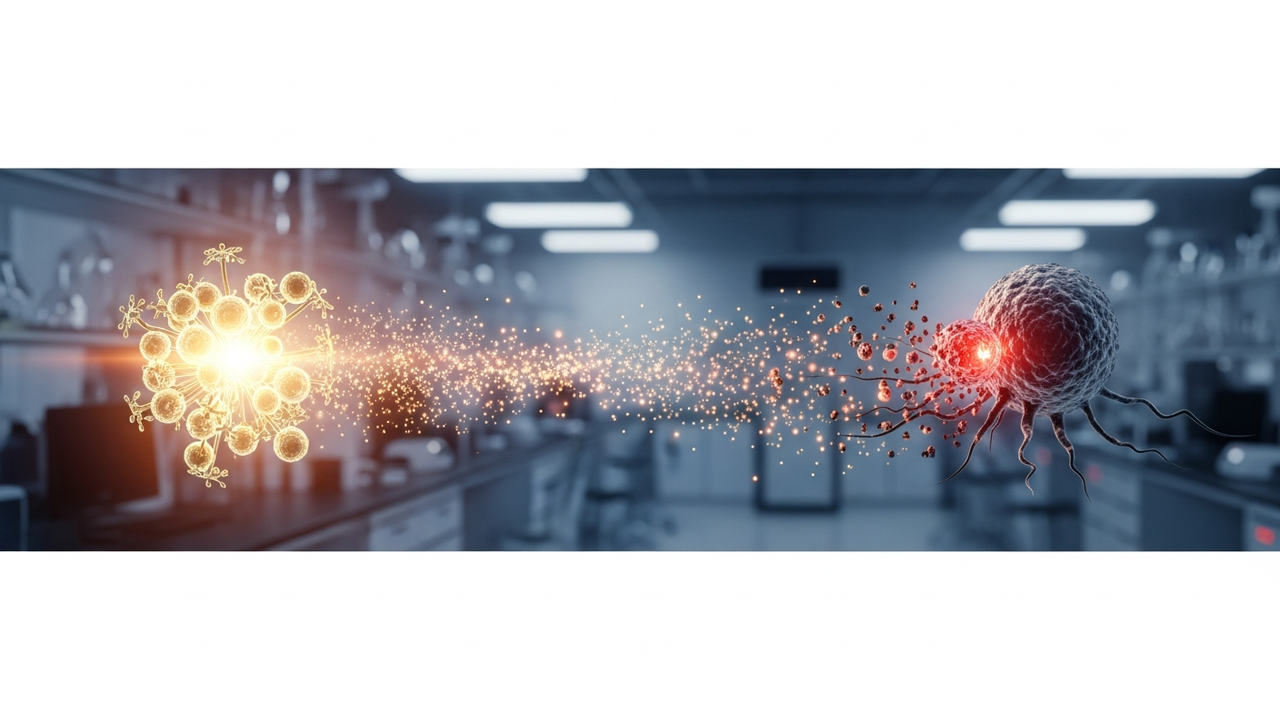
A recent comprehensive review by Pakistani researchers underscores the significant therapeutic potential of plant-based gold nanoparticles (AuNPs) for targeted breast cancer drug delivery. This innovative strategy harnesses the unique properties of green-synthesized AuNPs to achieve superior anti-tumor effects by significantly enhancing their uptake into malignant cells, inducing the generation of reactive oxygen species (ROS), and activating critical apoptosis-related signaling pathways.
These plant-based AuNPs are produced via ‘green synthesis,’ a method leveraging natural biomolecules like polyphenols and flavonoids found in plant extracts to serve as both reducing and stabilizing agents. This eco-friendly approach offers notable advantages over conventional chemical synthesis, including reduced environmental impact and enhanced biocompatibility. The review highlights that these naturally derived AuNPs exhibit substantially higher cellular uptake efficiency in breast cancer cell lines compared to conventional anticancer drugs. Upon internalization, AuNPs trigger intracellular ROS generation, which consequently inflicts DNA damage, disrupts mitochondrial function, and induces endoplasmic reticulum stress. This cascade of events, driven by excessive ROS accumulation, elevates cellular oxidative stress, thereby activating key apoptosis-related signaling pathways, such as P53 and caspase pathways, culminating in programmed cell death (apoptosis) within cancer cells. The review further suggests a potential for synergistic anticancer effects, as intrinsic bioactive compounds within the plant extracts themselves may complement the AuNPs’ primary action.
Despite these promising preclinical insights, significant research is imperative to translate plant-based AuNPs into clinical applications. Future work must focus on optimizing these nanoparticles for robust in vivo efficacy and conducting exhaustive evaluations of their pharmacokinetics (absorption, distribution, metabolism, excretion), biodistribution, and long-term systemic toxicity in relevant animal models. Crucially, the standardization of manufacturing processes, scalability for mass production, stringent quality control measures, and compliance with international regulatory frameworks represent vital challenges. Overcoming these hurdles could position plant-derived AuNPs as a groundbreaking, safer, and more effective modality for breast cancer treatment, potentially enhancing patient outcomes and quality of life, perhaps even in conjunction with existing therapeutic regimens.
Source: https://linkmjhcr.com/index.php/lmj/article/view/183
Get our weekly technology intelligence — free
Receive an infographic that lets you judge at a glance whether each field’s analysis report is worth reading.
Subscribe Free — Weekly Tech Intelligence
By subscribing, you’ll receive Troy-Technical’s weekly technology intelligence newsletter.
- Your email and selected fields are used only to deliver the newsletter.
- We never share your information with third parties.
- You can unsubscribe anytime via the link in each email.
See our Privacy Policy for details.
Takes about a minute · Unsubscribe anytime