Background
The rapid advancements in AI, High-Performance Computing (HPC), and data centers demand ultra-high bandwidths that conventional memory solutions cannot provide, making HBM an indispensable component. Currently, the HBM market is largely dominated by three players: SK Hynix, Samsung, and Micron, with SK Hynix holding a leading position due to early qualification with NVIDIA platforms. Amidst U.S. export restrictions limiting access to advanced semiconductor technologies, China has made establishing indigenous HBM technology one of its top national strategic priorities.
Key Findings
According to an analysis by SemiAnalysis, CXMT (Changxin Memory Technologies), a Chinese DRAM manufacturer, is still encountering significant technical hurdles in establishing a stable commercial supply of High Bandwidth Memory (HBM). While the company has demonstrated progress in its DRAM process technology, the report highlights that substantial improvements in wafer yield, chip stacking techniques, and advanced packaging capabilities are urgently needed for CXMT to effectively compete with leading global players in this advanced memory sector.
Technical Challenges & Future Outlook
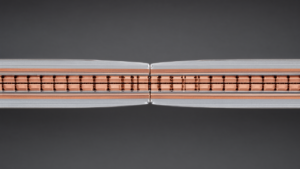
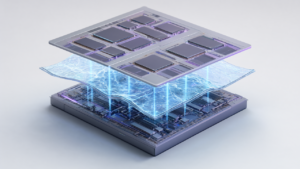
- Complexity of HBM Production: HBM features an extremely complex architecture involving the vertical stacking of multiple DRAM dies interconnected through minuscule Through-Silicon Vias (TSVs). Achieving high-performance HBM products demands impeccable precision across all stages: individual die quality (yield), accurate stacking, and final packaging (thermal management, electrical connections).
- CXMT’s Challenges: CXMT is specifically cited for struggles with low HBM wafer yields, immature stacking technology, and insufficient advanced packaging capabilities, which are impeding its full entry into the market. These challenges potentially increase HBM production costs and compromise product reliability.
- Future Outlook: SemiAnalysis forecasts an acceleration in CXMT’s HBM wafer production capacity in 2027 and 2028, suggesting that significant progress in overcoming these technical challenges might be achieved during this period. This acceleration is likely driven by China’s national push for semiconductor self-sufficiency and the rising domestic demand for HBM from its burgeoning AI industry.
Strategic Implications & Global Impact
CXMT’s ability to overcome its technical challenges in HBM and achieve stable supply will significantly impact the future of China’s AI and HPC industries, and potentially diversify the global semiconductor supply chain. Crucially, improvements in wafer yield and the mastery of advanced packaging technologies, including TSV and micro-bump interconnections, will be key for the company to gain competitiveness in the HBM market. Such developments could also strengthen the overall HBM supply ecosystem and potentially foster greater price competition globally.
Get our weekly technology intelligence — free
Receive an infographic that lets you judge at a glance whether each field’s analysis report is worth reading.
Subscribe Free — Weekly Tech Intelligence
By subscribing, you’ll receive Troy-Technical’s weekly technology intelligence newsletter.
- Your email and selected fields are used only to deliver the newsletter.
- We never share your information with third parties.
- You can unsubscribe anytime via the link in each email.
See our Privacy Policy for details.
Takes about a minute · Unsubscribe anytime