Key Findings
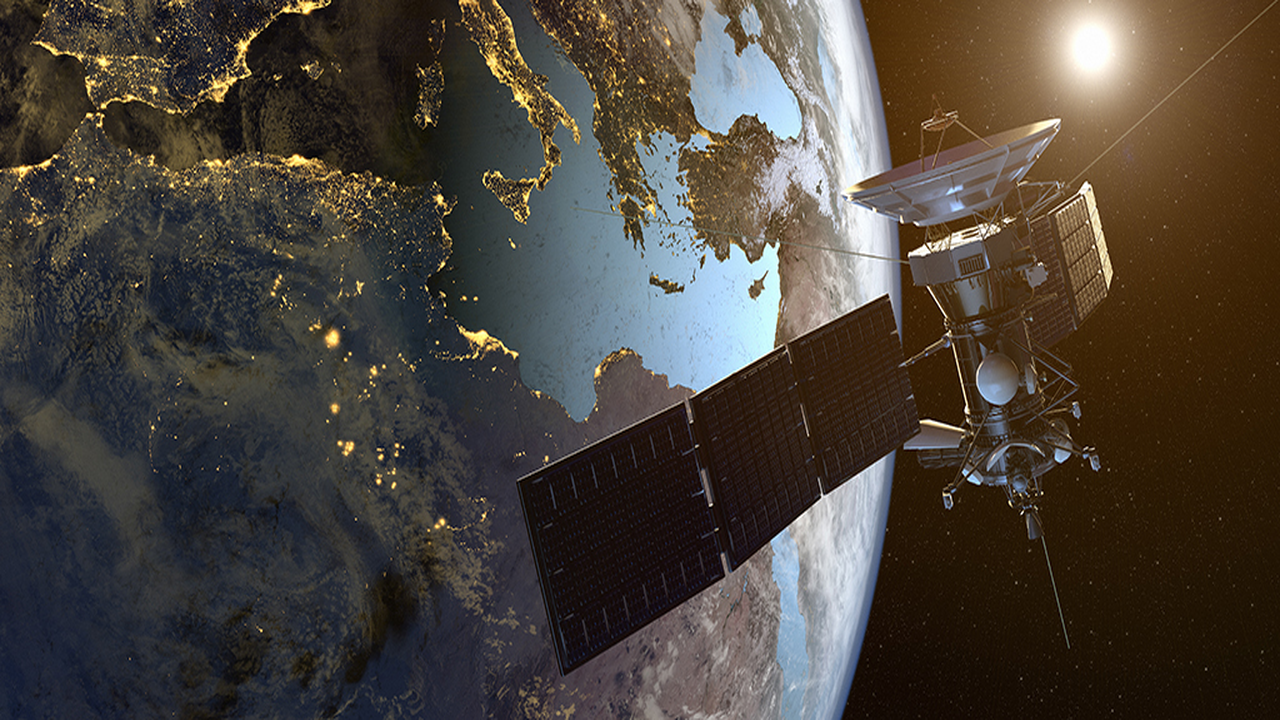
In-Orbit Servicing (IOS) technologies are rapidly gaining prominence as indispensable solutions for significantly extending satellite operational lifetimes and mitigating the escalating problem of space debris. Pioneering innovations from companies like Northrop Grumman, with its Mission Extension Vehicle (MEV-1), and Orbit Fab, with its RAFTI refueling port, are spearheading this critical sector.
Technical & Mission Details
- Refueling and Life Extension: Northrop Grumman’s MEV-1, designed for geostationary (GEO) satellites, docks with clients and takes over propulsion duties, effectively extending the host satellite’s operational life by several years. This model fundamentally alters the traditional end-of-life scenario for satellites, significantly improving return on investment.
- Repair and Upgrades: IOS capabilities hold the potential to repair malfunctioning satellites or upgrade existing hardware and add new payloads while in orbit. This capability prevents costly assets from becoming orbital junk and ensures the continued utility of space infrastructure.
- Debris Removal: Specialized companies such as Astroscale are developing technologies to actively capture and safely de-orbit defunct spacecraft and spent rocket stages. This is crucial for reducing future collision risks and preserving the orbital environment for generations to come.
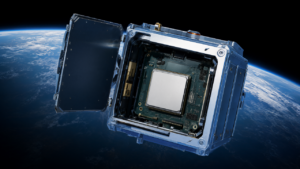
- Standardization Efforts: Companies like Orbit Fab are working towards standardizing in-orbit refueling with products like the ‘RAFTI’ (Rapidly Attachable Fluid Transfer Interface) refueling port, designed to be integrated into future satellites. This promotes interoperability among different service providers and facilitates broader market adoption of IOS.
Background & Industry Context
The rapid proliferation of satellite constellations in Low Earth Orbit (LEO) and Geostationary Orbit (GEO) presents a dual challenge of increasingly complex space traffic management and a growing accumulation of space debris. IOS technologies offer direct solutions to these issues, driving a paradigm shift in how satellites are designed, manufactured, and operated. Although NASA’s OSAM-1 (On-orbit Servicing, Assembly, and Manufacturing-1) mission was canceled, the knowledge gained from its development continues to support the industry’s broader technical advancements and commercialization efforts.
Future Outlook
The IOS market is projected for substantial growth in the coming years. The triple benefits of reduced satellite operating costs, creation of new revenue streams, and improved space environmental sustainability are attracting significant investment from both government agencies and private enterprises. Looking ahead, even more advanced services such as in-orbit manufacturing, assembly, and warehousing are anticipated, making IOS an indispensable component for establishing a robust ‘space economy’ where space becomes a vital extension of Earth’s economic activities. IOS enhances the resilience of space infrastructure and promises a more sustainable and vibrant future for space operations.
Source: https://www.global-aero.com/in-orbit-servicing-ios/
Get our weekly technology intelligence — free
Receive an infographic that lets you judge at a glance whether each field’s analysis report is worth reading.
Subscribe Free — Weekly Tech Intelligence
By subscribing, you’ll receive Troy-Technical’s weekly technology intelligence newsletter.
- Your email and selected fields are used only to deliver the newsletter.
- We never share your information with third parties.
- You can unsubscribe anytime via the link in each email.
See our Privacy Policy for details.
Takes about a minute · Unsubscribe anytime