Key Findings
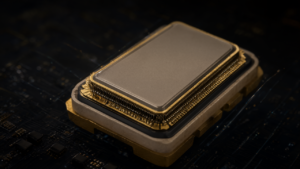
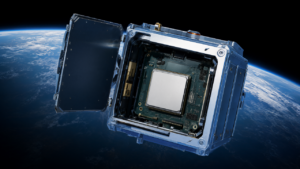
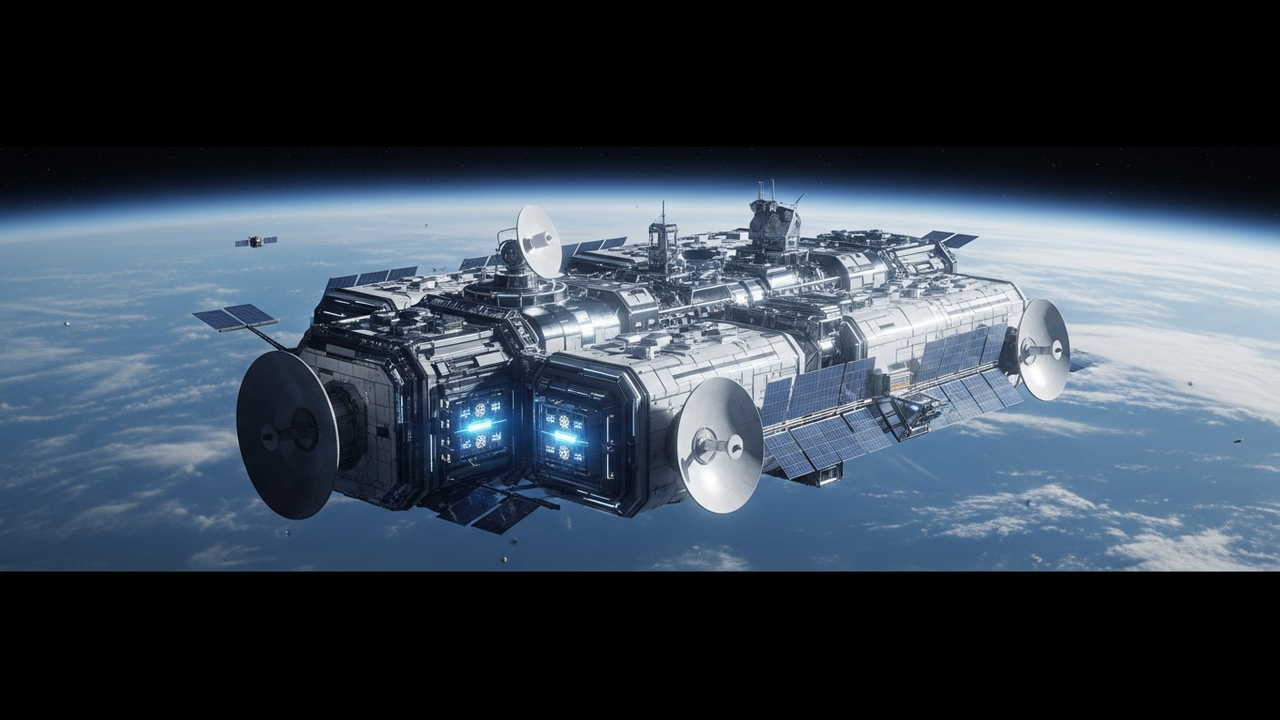
Over the past two years, interest in orbital data centers has exploded within the space industry. At the forefront of this movement is Starcloud, which has successfully operated Nvidia H100 GPUs in orbit, demonstrating both AI inference and training workloads in space. Concurrently, Axiom Space is launching orbital data center nodes to support cloud computing services in Low Earth Orbit (LEO), signaling the rapid commercialization of space AI infrastructure.
Technical Challenges and Opportunities
Orbital data centers aim to address communication bottlenecks and enable real-time decision-making by performing AI processing on data generated in space, rather than relying solely on terrestrial data centers. Current primary application areas include:
- Earth Observation: Satellites collect vast amounts of imagery and sensor data. Processing this data immediately in orbit and transmitting only critical information to Earth can drastically reduce data downlink volumes.
- Defense and Security: Essential for time-sensitive AI processing in missions such as early missile warning, space-based threat tracking, and onboard analysis of reconnaissance data.
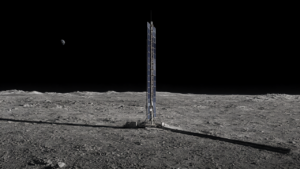
- Autonomous Space Operations: Enables advanced autonomy for spacecraft, including fault diagnosis, trajectory optimization, space debris avoidance, and autonomous navigation for lunar and Martian rovers, minimizing reliance on Earth-based intervention.
However, several significant challenges persist for orbital computing:
- Space-to-Earth Data Transfer Limitations: Despite advancements in high-speed data transfer, moving large volumes of data between space and Earth still faces bandwidth and latency constraints. While in-orbit AI mitigates this, transmitting results still requires communication.
- Thermal Management: Space features extreme temperature differentials and a vacuum environment, making efficient heat dissipation from high-performance GPUs and CPUs a major engineering challenge.
- Radiation Hardening: Space radiation can damage semiconductor devices, necessitating radiation-hardened designs, which impacts cost and performance.
- Power Supply: AI workloads consume significant power, making reliable power sources (e.g., solar panels, RTGs, small nuclear reactors) crucial.
Background and Industry Context
The increasing complexity of AI models and the explosion of data volumes are placing immense strain on terrestrial data center infrastructure. Against this backdrop, the search for new computing venues has intensified, with space attracting attention for its unique characteristics: vast line-of-sight, independence from terrestrial geopolitical risks, and proximity to data sources. The development of space-specific products by major AI hardware vendors like Nvidia clearly underscores the market’s potential.
Private space companies, driven by the deployment of mega-constellations such as SpaceX’s Starlink and Amazon’s Project Kuiper, are significantly reducing the cost of in-orbit infrastructure, thereby enhancing the feasibility of space AI infrastructure. Governments worldwide are also accelerating investments in orbital AI infrastructure to secure information superiority in space.
Strategic Significance and Outlook
Orbital data centers are anticipated to offer strong short-term opportunities, particularly for applications where data originates in space, such as Earth observation, defense, and autonomous space operations. In these fields, the need for real-time processing is high, and data transfer delays directly impact mission success, making in-orbit edge AI indispensable. In the medium to long term, as technical challenges are overcome, new commercial activities like space manufacturing and space resource utilization will also benefit from orbital computing. Space AI infrastructure is poised not only to drive the development of the space economy but also to build a future where it integrates seamlessly with terrestrial digital economies. Investors and policymakers should pay close attention to the strategic value and growth potential of this emerging sector.
Source: https://luxresearchinc.com/jp/blog/are-orbital-data-centers-the-future-of-ai-infrastructure/
Get our weekly technology intelligence — free
Receive an infographic that lets you judge at a glance whether each field’s analysis report is worth reading.
Subscribe Free — Weekly Tech Intelligence
By subscribing, you’ll receive Troy-Technical’s weekly technology intelligence newsletter.
- Your email and selected fields are used only to deliver the newsletter.
- We never share your information with third parties.
- You can unsubscribe anytime via the link in each email.
See our Privacy Policy for details.
Takes about a minute · Unsubscribe anytime