Key Findings
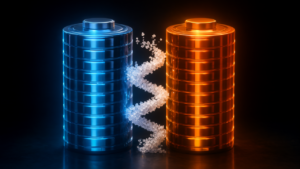
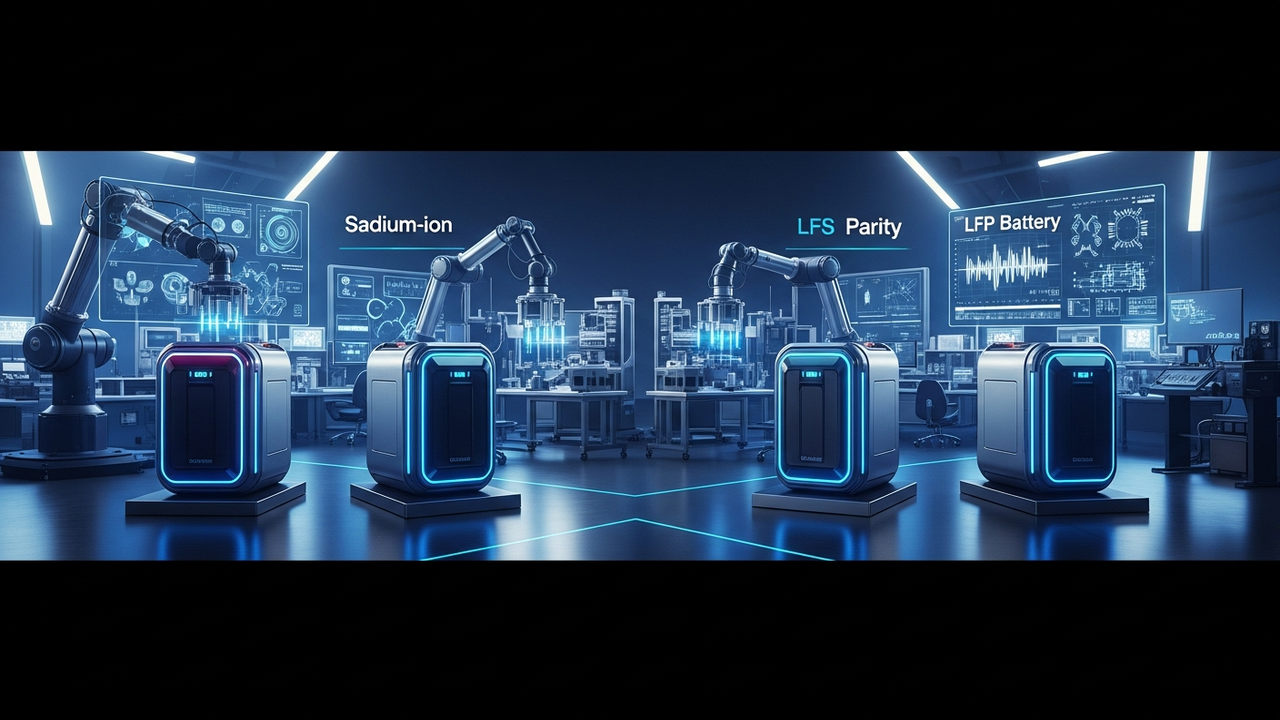
Multiple companies within the Battery Energy Storage System (BESS) industry are projecting that sodium-ion (Na-ion) batteries will achieve lifecycle cost (LCOS) parity with the currently dominant lithium iron phosphate (LFP) batteries within a short timeframe of two to three years. This forecast indicates the rapid emergence of Na-ion batteries as a more economical and sustainable option for the large-scale energy storage market.
Technical / Clinical Details
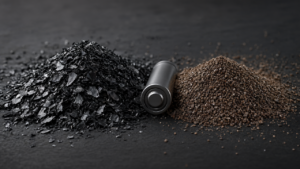
The anticipated cost reduction for Na-ion batteries stems from the abundance and lower cost of their raw materials. Unlike lithium-ion batteries, they do not require expensive and scarce metals such as lithium, nickel, and cobalt, thereby reducing supply chain risks and manufacturing costs. Ongoing technological advancements are improving their energy density and cycle life, narrowing the performance gap with LFP batteries. CATL, a leading Chinese battery manufacturer, has already secured a significant 60GWh Na-ion battery supply agreement with HyperStrong in April, providing clear evidence of the technology’s readiness for large-scale commercialization. Furthermore, U.S. Na-ion startup Alsym Energy has entered into a 9GWh strategic relationship agreement with Erity, a mining and energy consulting firm, for global mining applications. This signifies that Na-ion batteries are finding new use cases, such as off-grid power and mobile power sources in the mining sector.
Background & Context
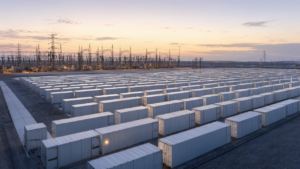
The energy storage market is experiencing explosive growth, driven by the increasing integration of renewable energy sources and the escalating need for grid stabilization. However, fluctuating raw material prices and supply constraints for lithium-ion batteries present significant challenges to the industry. Na-ion batteries have rapidly advanced in research and development and are now entering the commercialization phase, offering a promising solution to these issues. Their cost-effectiveness and safety profile make them particularly attractive for stationary energy storage systems. While LFP batteries have led the market as a cost-efficient lithium-ion option, Na-ion batteries reaching LCOS parity with LFP will signify a shift in market share, the formation of new supply chains, and an acceleration of the global energy transition.
Strategic Significance & Outlook
The achievement of cost parity between Na-ion and LFP batteries is expected to trigger a significant paradigm shift in the stationary energy storage market. This will enable utilities, renewable energy developers, and industries to deploy more affordable and sustainable storage solutions. The expansion of companies like Alsym Energy into niche sectors such as mining highlights the diverse applications and scalability potential of Na-ion batteries, with broader adoption across various industrial sectors anticipated. The continuous development of this technology is crucial for enhancing energy storage accessibility and is an indispensable component for achieving global decarbonization targets.
Get our weekly technology intelligence — free
Receive an infographic that lets you judge at a glance whether each field’s analysis report is worth reading.
Subscribe Free — Weekly Tech Intelligence
By subscribing, you’ll receive Troy-Technical’s weekly technology intelligence newsletter.
- Your email and selected fields are used only to deliver the newsletter.
- We never share your information with third parties.
- You can unsubscribe anytime via the link in each email.
See our Privacy Policy for details.
Takes about a minute · Unsubscribe anytime