Background
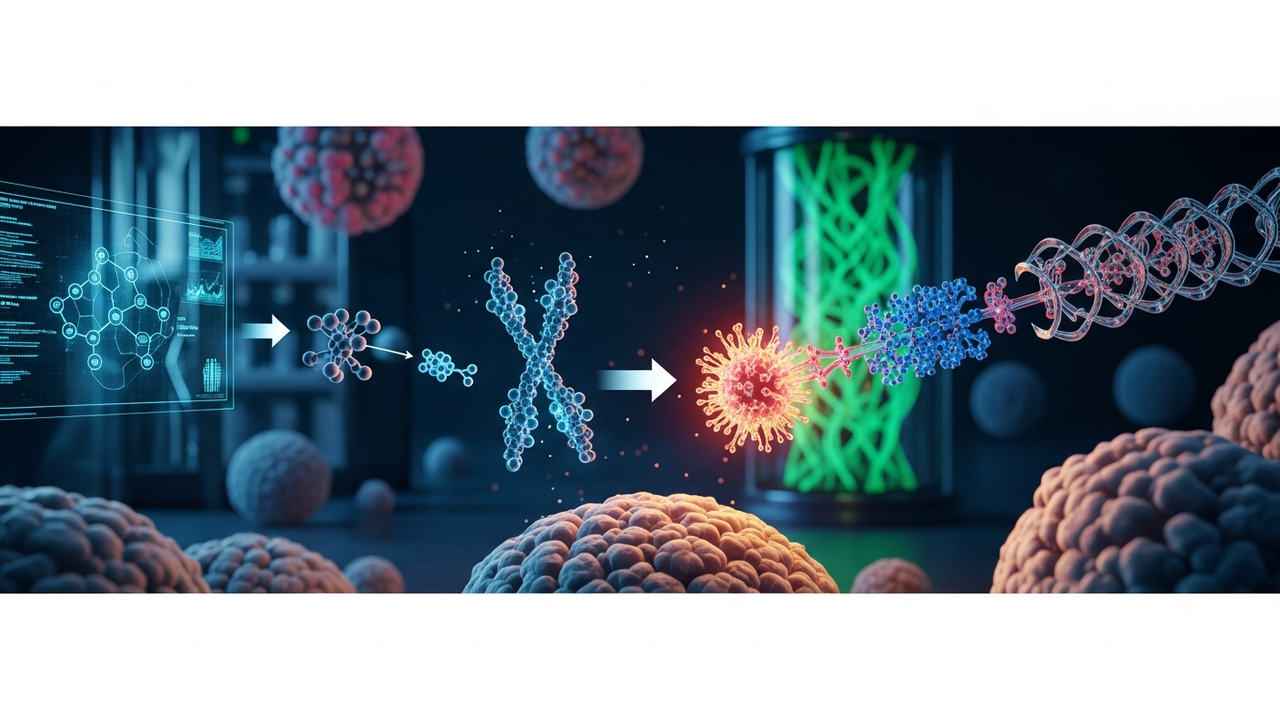
Small interfering RNA (siRNA) molecules hold immense therapeutic potential due to their precise mechanism of gene silencing, wherein they degrade specific messenger RNA (mRNA) to inhibit gene expression. However, early development of siRNA therapeutics was hampered by several formidable challenges, including inherent instability in vivo (leading to rapid enzymatic degradation), potential immunogenicity, and inefficient delivery to target cells. Overcoming these obstacles necessitated significant advancements in chemical modifications and the development of innovative drug delivery systems (DDS). The clinical success of GalNAc (N-acetylgalactosamine) conjugates, specifically engineered for liver-targeted siRNA delivery, has been pivotal in paving the way for broader clinical applications of this modality.
Key Findings / Results
Recent scientific literature comprehensively reviews the evolution and expanding clinical landscape of siRNA therapeutics, highlighting critical progress in both chemical modifications and delivery systems. GalNAc conjugates, designed for hepatocyte-specific siRNA delivery, have established themselves as the ‘gold standard’ for liver-targeted treatments. This is evidenced by the FDA approval of drugs such as Givosiran for acute hepatic porphyria, Lumasiran for primary hyperoxaluria type 1, and Nedosiran, all demonstrating the technology’s maturity and efficacy. These GalNAc-siRNAs offer superior safety profiles and improved patient adherence through subcutaneous administration and reduced dosing frequencies.
Beyond hepatic targeting, the scope of siRNA applications is dramatically expanding. Zilebesiran, an siRNA targeting angiotensinogen for hypertension, has progressed into Phase 3 clinical trials (the ZENITH program). It has shown promising results with sustained blood pressure reduction for up to six months following a single dose, potentially offering a transformative option for chronic hypertension management. Significant strides have also been made in extrahepatic delivery technologies; C16 conjugates are being developed for central nervous system (CNS) disorders, and the TRiM platform for pulmonary diseases is yielding encouraging clinical data. These advancements are expected to extend the therapeutic benefits of siRNA to neurodegenerative conditions like Alzheimer’s disease and respiratory ailments such as asthma and idiopathic pulmonary fibrosis. Furthermore, siRNAs targeting ‘undruggable’ oncogenes like KRAS and those for metabolic dysfunction-associated steatohepatitis (MASH) are actively being explored.
Technical Significance & Outlook
The continuous evolution of siRNA therapeutics is dramatically broadening the spectrum of treatable diseases and holds the promise to revolutionize chronic disease management. The success of GalNAc conjugates has not only set a benchmark for liver-targeted siRNA therapies but also spurred further innovations in DDS and manufacturing. The development of extrahepatic delivery platforms is crucial for extending treatment options to patient populations previously unable to benefit from nucleic acid medicines, potentially leading to breakthroughs in areas with high unmet medical needs. However, achieving efficient and safe extrahepatic delivery for all target organs remains a significant challenge. Additionally, the scalable manufacturing and cost optimization for diverse siRNA chemistries are ongoing hurdles. Continued research and development in this domain are poised to solidify nucleic acid drugs as a dominant modality in the next generation of therapeutics.









Comments