Background: The Power Paradox Facing AI Data Centers
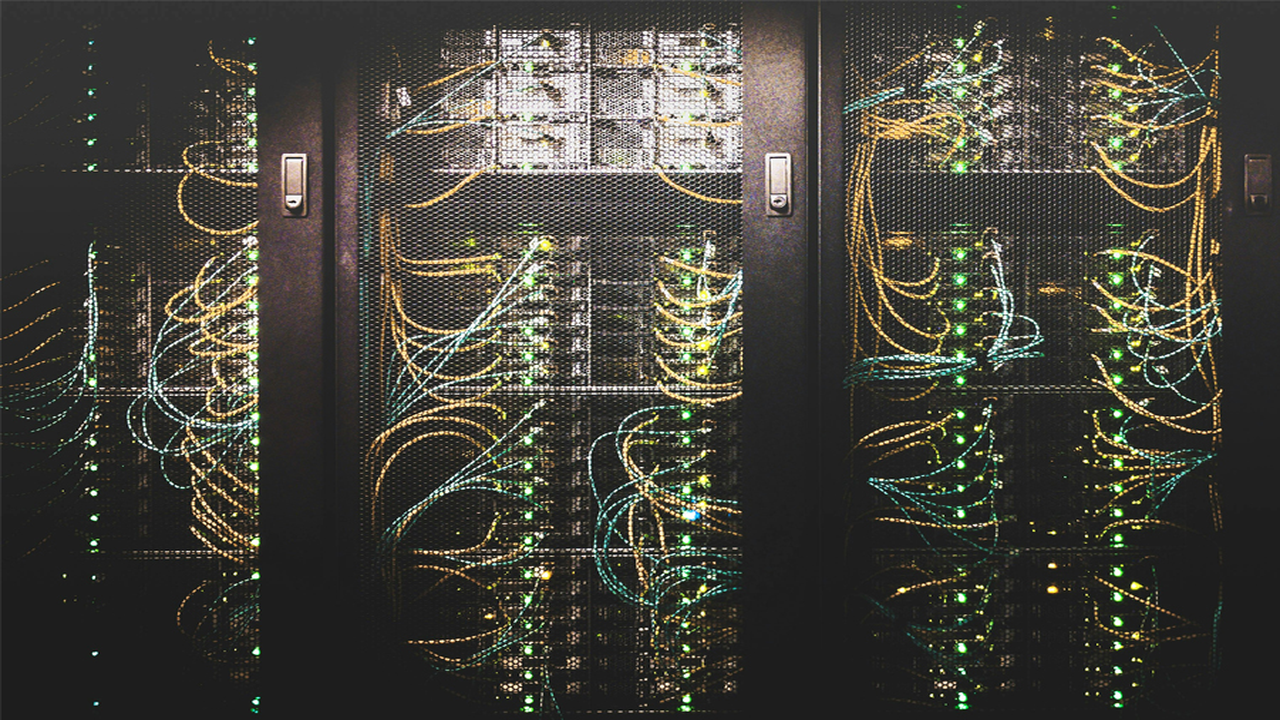
The exponential growth of Generative AI has led to a dramatic surge in GPU rack densities within data centers, consequently pushing electricity demand to unprecedented levels. While AI workloads require 24/7 continuous operation, existing electrical grid infrastructure struggles to cope with this rapid increase in demand, resulting in multi-year interconnection queues for data centers seeking grid access. This ‘data center paradox’ poses a fundamental challenge to ensuring reliable power supply, beyond merely lost business opportunities.
Key Findings / Results: Multi-Layer BESS and On-Site Renewable Energy Integration
To overcome these power supply challenges, data centers are aggressively adopting an innovative multi-layered Battery Energy Storage System (BESS) approach, integrated with on-site renewable energy. This strategy allows them to bypass utility interconnection queues and achieve rapid, reliable power delivery.
- Multi-Layer Battery Strategy: Data centers are combining BESS with different operational objectives:
- In-Rack BESS: Smaller BESS units directly integrated into GPU racks provide immediate response to instantaneous power fluctuations and short-duration outages, ensuring continuity of AI workloads. This complements or replaces traditional short-duration UPS systems.
- Large Containerized BESS: Large, containerized BESS units, capable of sustaining power for 4 to 8 hours, provide long-duration backup power and peak-shifting capabilities to maintain industrial uptime during periods of low solar generation or grid instability.
- Co-located Solar PV and Storage: By co-locating their own solar photovoltaic (PV) systems with large-scale BESS on-site, data centers significantly reduce their reliance on utility power. This strategy enables them to circumvent the often lengthy grid interconnection queues (typically 5-7 years) and secure reliable power in as little as 12-18 months.
- Monetizing Curtailment: In regions with high renewable energy penetration, ‘curtailment’—where generated electricity cannot be utilized due to grid capacity limitations—can occur. Data centers with co-located BESS can store this excess power and sell it back to the grid when needed, potentially generating an additional 10% to 20% in revenue and improving overall project economics.
Technical Significance & Outlook: Enhanced Data Center Autonomy and Grid Decentralization
The integration of multi-layered BESS and on-site renewable energy by data centers is not merely a means of securing power; it has broad implications for AI-era energy infrastructure and the future of power grids:
- Increased Data Center Autonomy: Reduced reliance on the external grid significantly enhances the reliability and predictability of data center power supply, ensuring stable operation of AI workloads.
- Grid Decentralization and Resilience: As data centers become partially self-sufficient power sources, it promotes the decentralization of the entire power grid. This, in turn, boosts the grid’s resilience against risks such as natural disasters and cyberattacks.
- Accelerated Renewable Energy Adoption: Large power consumers like data centers directly deploying renewable energy and BESS accelerate the adoption of clean energy regionally and contribute to achieving overall decarbonization targets.
This innovative approach to the ‘data center paradox’ not only supports the sustainable growth of AI technology but also serves as a model for the next generation of decentralized, resilient, and clean energy infrastructure.


Comments