Background and the Imperative for Long-Duration Storage
As the global adoption of renewable energy, particularly solar and wind power, accelerates, its intermittency and output variability pose significant challenges to stable grid operation. Conventional short-duration energy storage systems are insufficient for balancing supply and demand over multiple days or for storing surplus renewable energy and dispatching it during shortages. Countries like Ireland, with increasing offshore wind power integration, face an urgent need for “multi-day energy storage” technologies to absorb this variability and enhance grid resilience. Form Energy’s iron-air battery emerges as an innovative solution poised to fill this critical gap.
Form Energy’s Iron-Air Battery Technology and Irish Deployment
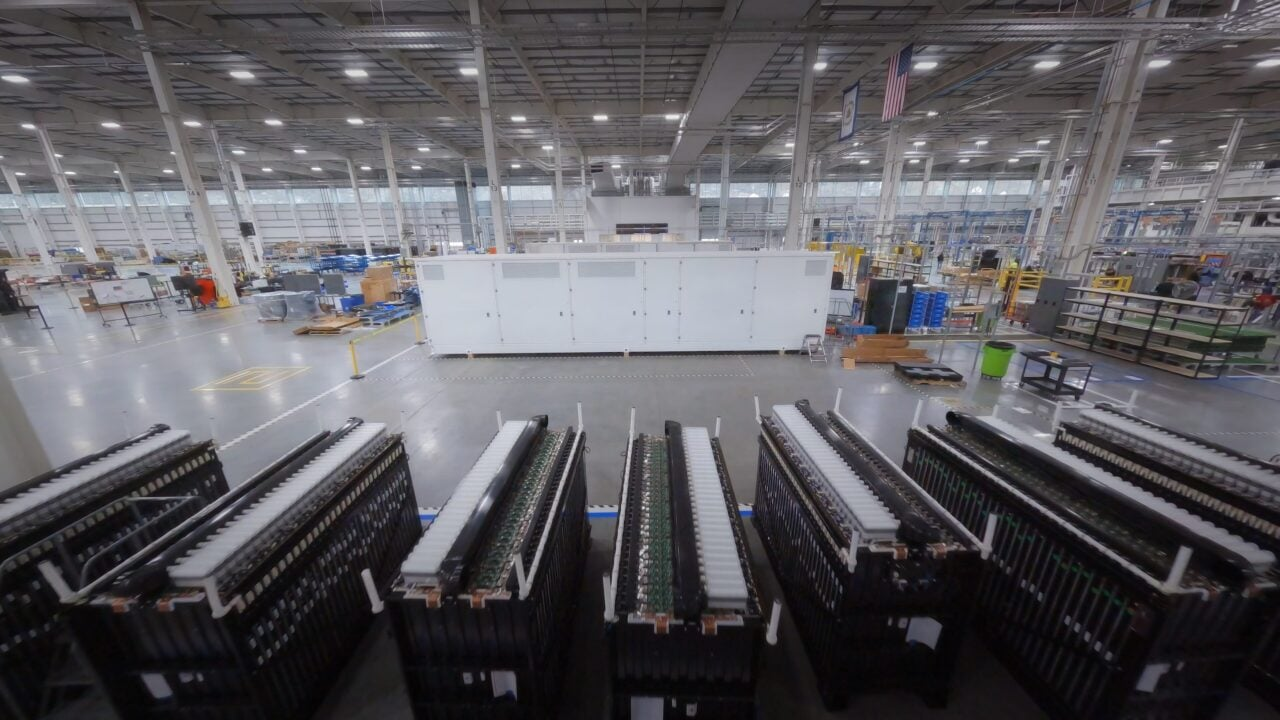
Form Energy has developed an iron-air battery that utilizes abundant and inexpensive iron as its primary material. This battery stores and releases electricity through an electrochemical reaction involving the oxidation and reduction of iron, achieving an exceptionally long discharge duration of up to 100 hours. This far surpasses the typical several-hour storage capacity of conventional lithium-ion batteries. The company announced a partnership with FuturEnergy Ireland to deploy a large-scale iron-air battery system in northwest Ireland, featuring a 10 MW power output and a massive 1,000 MWh (megawatt-hour) storage capacity. This project, slated for operation in 2029, represents Form Energy’s inaugural international deployment.
Market Impact and Future Outlook
This deployment in Ireland serves as a crucial pilot case, demonstrating the tangible benefits that multi-day energy storage technology can bring to power grids. According to Form Energy’s analysis, integrating such long-duration storage systems into Ireland’s 2030 energy portfolio could significantly reduce renewable energy curtailment and cut energy generation costs by over 25% annually. This advancement will enhance the reliability of electricity supply, facilitate the maximum utilization of renewable energy, and contribute substantially to achieving national decarbonization targets. As iron-air batteries do not rely on scarce metals like lithium or cobalt, they offer advantages in supply chain stability and cost, making them a promising candidate for widespread adoption as foundational long-duration storage solutions in global power systems.





Comments