Background
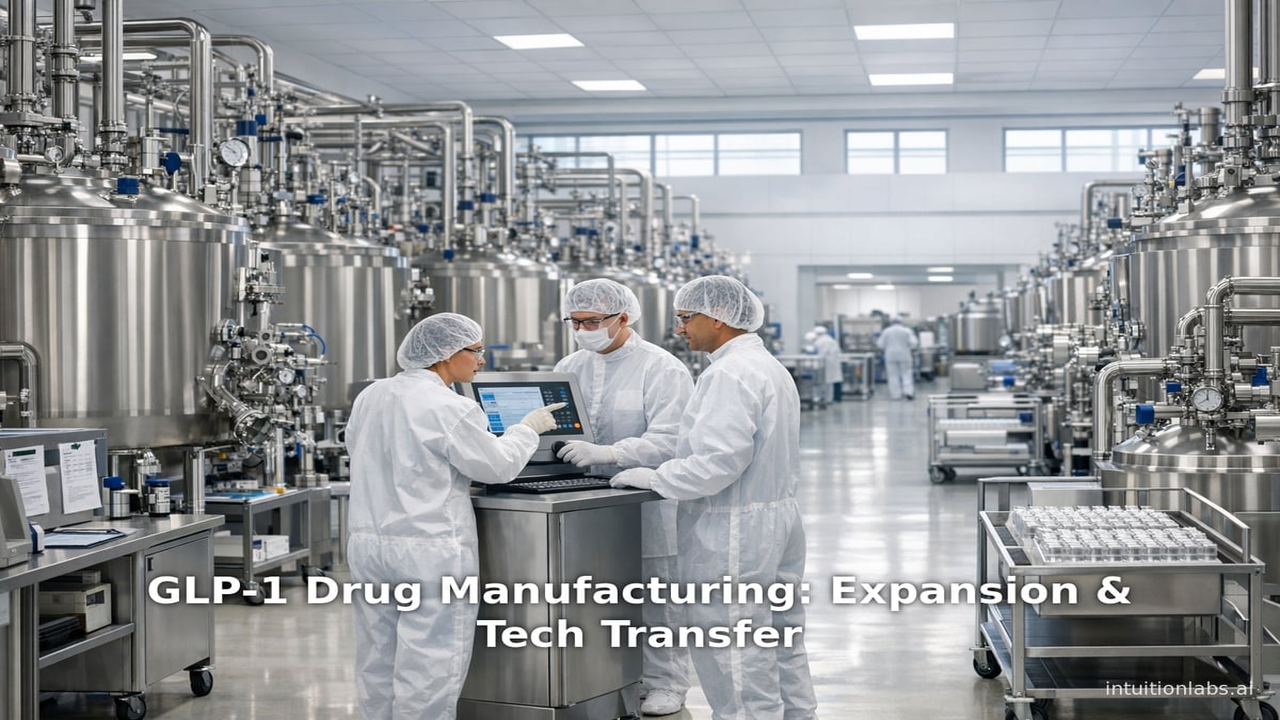
In recent years, GLP-1 (glucagon-like peptide-1) receptor agonists have witnessed an explosive surge in demand, not only for diabetes management but also as highly effective obesity treatments. This unprecedented demand has created significant supply shortages, forcing the pharmaceutical industry to undertake a radical expansion of GLP-1 drug production capacity. The complex manufacturing process, particularly peptide synthesis, requires advanced technology and substantial capital investment.
Key Findings / Results
To address the unprecedented increase in demand for GLP-1 drugs, Contract Development and Manufacturing Organizations (CDMOs) are actively expanding their peptide synthesis capabilities. This trend indicates a strategic shift across the industry, where outsourcing to specialized CDMOs is increasingly viewed as more efficient than pharmaceutical companies investing in large-scale in-house facilities.
- Market Growth Projections: According to industry reports, the GLP-1 peptide CDMO market is projected to grow at an average annual rate of approximately 13% until 2034. This growth is expected to be fueled by the sustained expansion of GLP-1 drug demand and the accelerating trend of outsourcing to CDMOs.
- Rationale for CDMO Outsourcing: GLP-1 peptide manufacturing is a technically complex process demanding sophisticated synthetic chemistry, rigorous purification procedures, and stringent quality control. Furthermore, large-scale production requires significant capital investment and specialized expertise. These factors lead many pharmaceutical companies to outsource production to CDMOs, which already possess the necessary infrastructure and know-how, thereby saving time and costs.
- Major Pharma Movements: For instance, Novo Nordisk, a leading GLP-1 drug manufacturer, has moved to directly enhance its production capacity for flagship products like Wegovy and Ozempic through the acquisition of major CDMO Catalent. This illustrates a strategy combining vertical integration with CDMO specialization to secure supply.
Technical Significance & Outlook
The expanding role of CDMOs in GLP-1 drug manufacturing signifies a transformation of the entire biopharmaceutical manufacturing ecosystem. CDMOs are becoming indispensable for resolving supply chain bottlenecks and bringing treatments to more patients through efficient technology transfer and process optimization. This trend suggests that outsourcing to CDMOs may also become prevalent for other complex modalities (e.g., cell and gene therapies, ADCs) in the future. The streamlining of technology transfer and enhancement of production capacity are critical factors for enabling rapid market entry of new drugs and improving global responsiveness to medical needs. However, increased reliance on CDMOs also heightens the importance of supply chain risk management and intellectual property protection. The specialization and scalability offered by CDMOs are paramount in meeting global health demands, but require robust collaborative frameworks to mitigate potential risks and ensure consistent quality and supply.
Source: https://intuitionlabs.ai/articles/glp-1-drug-manufacturing-cdmo-tech-transfer


Comments