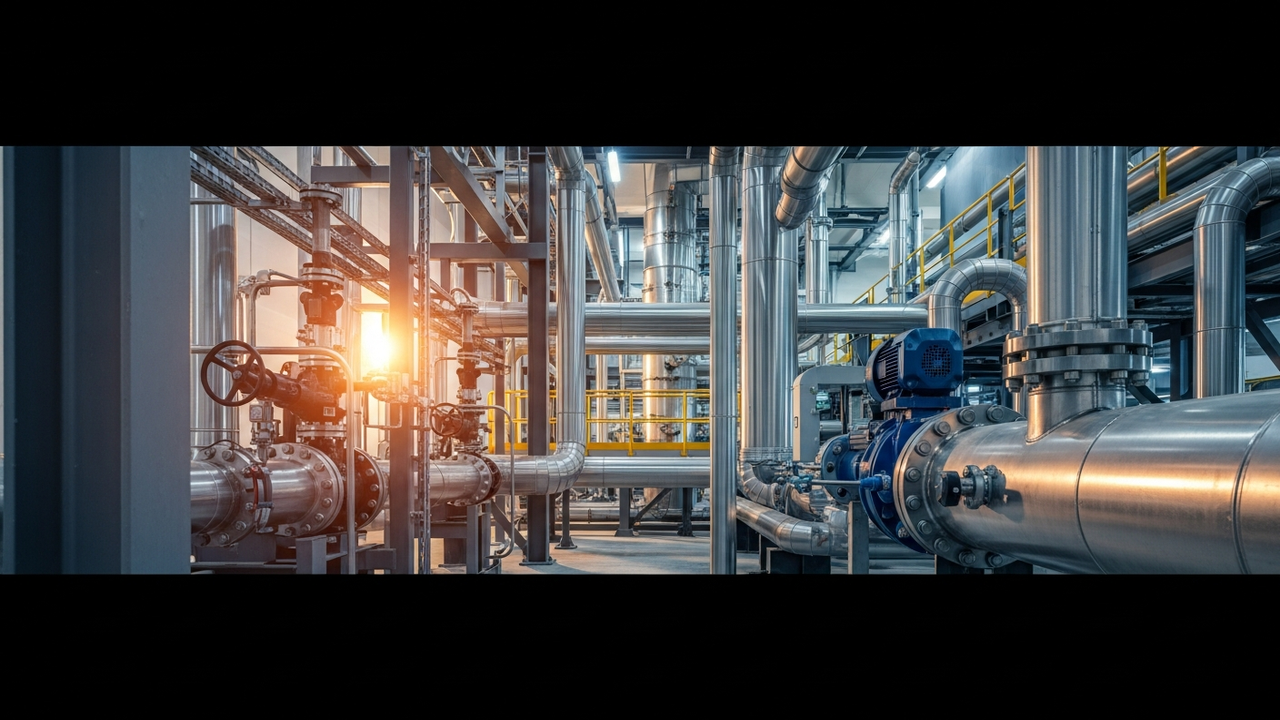
Background: Jordan’s Renewable Energy Potential and Export Ambitions
Jordan possesses substantial solar energy resources and has been actively developing its renewable energy sector to meet escalating domestic power demands. Beyond bolstering national energy security, the kingdom identifies significant economic growth opportunities through the export of clean energy derivatives. Green ammonia, specifically, is attracting global attention as an efficient medium for long-distance hydrogen transport and storage, and as a vital feedstock for fertilizers and industrial chemicals. Against this backdrop, large-scale green ammonia production is crucial for Jordan to fully harness its renewable energy potential and establish a new strategic position within the international energy supply chain.
Project Details: Integrated Green Ammonia Production at Aqaba Port
Hynfra, a Poland-based clean energy developer, has received official approval from the Jordanian government for its $1 billion green ammonia project located at Aqaba Port. This project stands out for its sophisticated, integrated system designed for sustainable energy generation and storage. It will incorporate a 550 MW solar photovoltaic (PV) power plant, with its inherently intermittent energy supply meticulously stabilized by a substantial 500 MWh battery energy storage system (BESS). This reliably dispatchable green power will subsequently drive an advanced electrolysis process, engineered to yield approximately 100,000 tons of green ammonia annually. Leveraging Aqaba Port’s crucial strategic position, the bulk of the green ammonia produced is designated for the international market, while a significant portion will also serve domestic industrial applications, particularly within the agricultural sector.
Technical Significance and Economic Impact
The Hynfra project in Jordan carries considerable technical weight, serving as a blueprint for the seamless integration of large-scale renewable energy generation, advanced battery storage, and green ammonia synthesis through electrolysis. The substantial 500 MWh BESS component is especially noteworthy; it effectively de-risks the intermittency inherent in solar power, guaranteeing a stable and continuous electricity feed for the electrolyzers, thus significantly boosting the plant’s overall efficiency and operational reliability. Economically, this venture is anticipated to catalyze billions of dollars in investment into Jordan and generate thousands of new jobs. It also holds the potential to set new regional benchmarks for clean energy technology across the Middle East. By entering the international green ammonia market, Jordan will diversify its export economy and contribute to global geopolitical energy security. This demonstrated integrated model is expected to inspire analogous developments in other renewable-resource-rich regions worldwide.




Comments