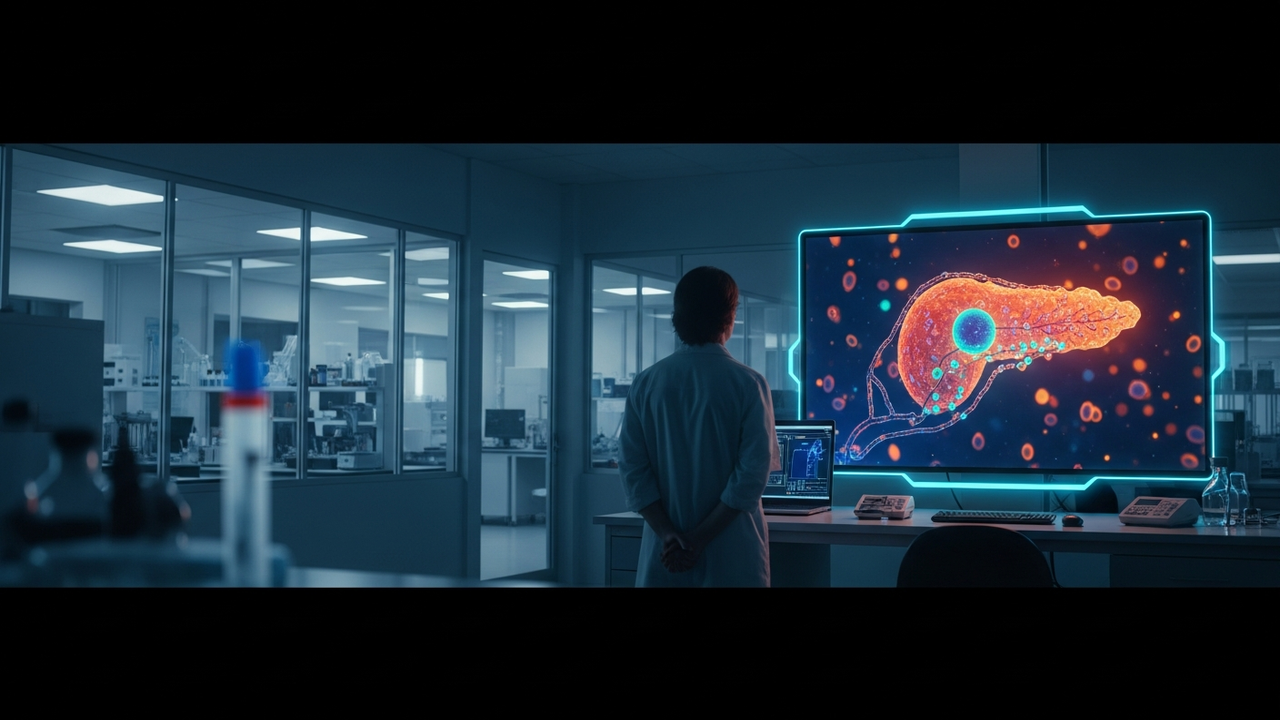
Background: The Unmet Need in Type 1 Diabetes Treatment
Type 1 Diabetes (T1D) is an autoimmune disease characterized by the destruction of insulin-producing pancreatic beta cells, leading to a lifelong dependence on exogenous insulin. Despite advances in insulin delivery and glucose monitoring, patients face a persistent risk of severe hypoglycemia and long-term complications. Current curative options, such as pancreas or cadaveric islet transplantation, are limited by donor availability, the need for chronic immunosuppression, and the potential for graft failure. Induced pluripotent stem cell (iPSC) technology offers a transformative approach by providing an inexhaustible source of functional, insulin-producing beta cells. However, successful clinical translation of iPSC-derived cell therapies for T1D hinges on overcoming challenges related to immune rejection and ensuring long-term graft survival and function.
Key Findings / Results: Vertex’s Landmark FORWARD-101 Trial Outcomes
Vertex Pharmaceuticals has reported groundbreaking results from its FORWARD-101 clinical trial of Zimislecel (formerly VX-880), an iPSC-derived allogeneic islet cell therapy designed to restore insulin production in patients with severe T1D. The trial involved transplanting fully differentiated, functional islet cells, derived from iPSCs, into patients.
Key findings from the study include:
- **High Rate of Insulin Independence:** A remarkable 10 out of 12 participants achieved insulin independence by day 365 post-transplantation. This signifies that these patients no longer required daily insulin injections, a life-altering outcome for T1D individuals.
- **Elimination of Severe Hypoglycemic Events:** All patients who achieved insulin independence were freed from severe hypoglycemic events, which are a major source of morbidity and fear for T1D patients. This directly translates to a significant improvement in their quality of life.
- **Confirmed Endogenous Insulin Production:** The functionality of the transplanted iPSC-derived islet cells was objectively verified through increased C-peptide levels. C-peptide is a byproduct of endogenous insulin production, providing definitive evidence that the transplanted cells were engrafting and physiologically active.
- **Necessity for Immunosuppression:** Currently, Zimislecel treatment necessitates ongoing immunosuppression to prevent immune rejection of the transplanted cells, a common challenge in allogeneic cell and organ transplantation. While Vertex had explored an immunosuppression-free alternative (VX-264), that program was discontinued, underscoring the complexities of immune evasion strategies.
Building on these highly encouraging results, Vertex has announced plans to pursue regulatory submission for Zimislecel in 2026, marking a significant step towards the commercial availability of an iPSC-based functional cure for T1D.
Technical Significance & Outlook: A Paradigm Shift in T1D Management
The success of Zimislecel represents a potential paradigm shift in the treatment of T1D. Achieving insulin independence goes beyond mere glycemic control; it addresses the underlying pathology of the disease, promising profound improvements in patient outcomes.
- **Enhanced Quality of Life:** Freedom from daily insulin injections and the constant threat of hypoglycemia dramatically reduces the physical and psychological burden on patients, enabling greater autonomy and participation in daily life.
- **Long-Term Health Benefits:** Sustained normoglycemia achieved through endogenous insulin production is expected to mitigate the development and progression of T1D-related complications, potentially reducing long-term healthcare costs.
- **Catalyst for Immunosuppression-Free Therapies:** While current therapy requires immunosuppression, Zimislecel’s success will undoubtedly invigorate research into immune evasion strategies, such as gene editing (e.g., HLA knockout using CRISPR-Cas9) or encapsulation technologies, to develop future ‘off-the-shelf’ therapies that do not require chronic immunosuppression.
- **Broader Impact on Autoimmune Diseases:** The success in T1D could serve as a powerful proof-of-concept for iPSC-based cell replacement and immunomodulatory therapies in other autoimmune conditions.
Vertex’s achievement demonstrates that iPSC technology is not just a research tool but is rapidly becoming a tangible therapeutic reality for critical unmet medical needs. If approved in 2026, Zimislecel will offer a groundbreaking treatment for millions suffering from T1D, transforming their lives for decades to come.



Comments