Background: The Tipping Point of the Hydrogen Economy and the Role of the World Hydrogen Summit
As global energy systems shift towards decarbonization, hydrogen energy is garnering attention as a key to reducing emissions in the power, industrial, and transportation sectors. However, realizing a hydrogen economy involves numerous challenges, including technological development, infrastructure build-out, and the creation of large-scale demand. The World Hydrogen Summit serves as a critical platform to address these challenges, bringing together governments, industry, and research institutions to share knowledge and forge collaborations.
Key Takeaways from the 2026 World Hydrogen Summit
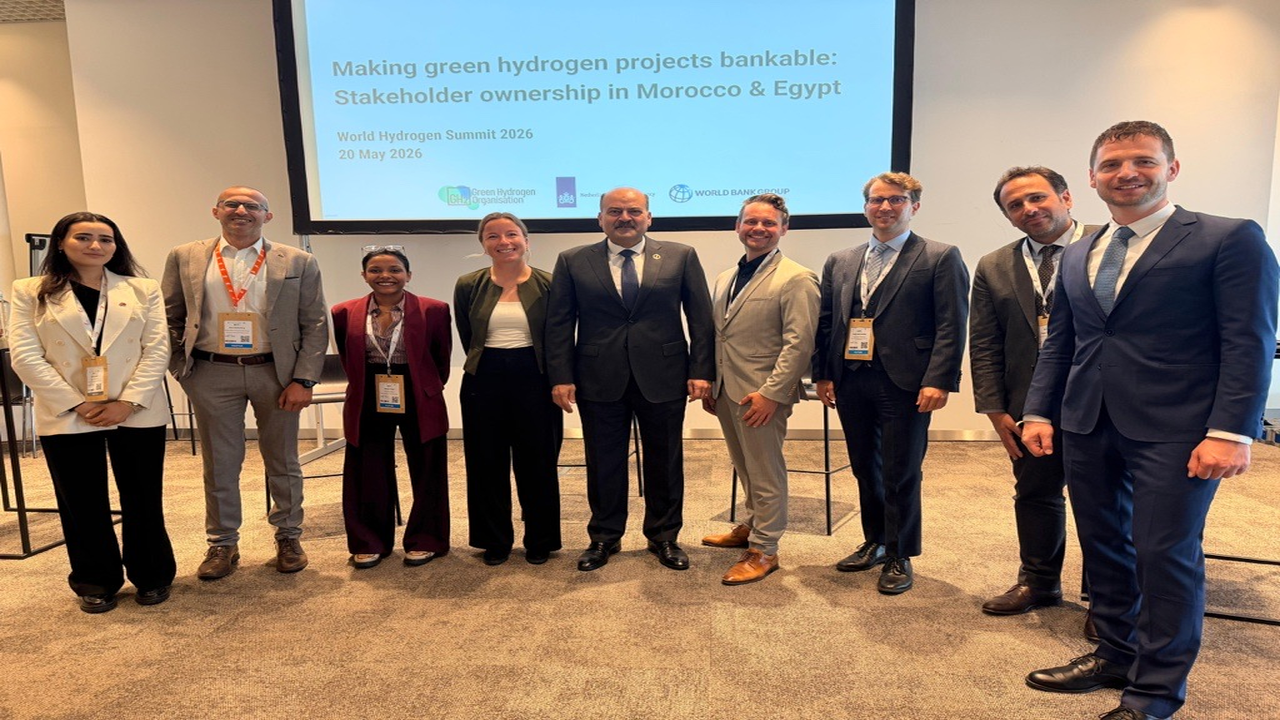
The 2026 World Hydrogen Summit proved to be a pivotal conference, indicating a clear shift in the hydrogen industry from the “ambition” phase to the “delivery” phase. The main advancements and trends highlighted at the summit include:
- Progress Towards Final Investment Decisions (FID): Reports indicated significant progress towards Final Investment Decisions (FID) for industrial-scale green hydrogen projects in several countries. Notably, Paraguay, rich in hydropower, India, with high renewable energy potential, and Spain, blessed with solar and wind resources, were highlighted for their advancement in large-scale project development. These projects will play a crucial role in demonstrating the economic viability of green hydrogen.
- Leadership of China and India: It was emphasized that China and India are playing leading roles in global hydrogen investment, committing multi-billion dollar investments. Both nations are integrating the hydrogen industry into their national strategies to meet immense domestic energy demands and establish international competitiveness.
- Green Fertilizers as a Major Demand Driver: Discussions at the summit highlighted that the production of green fertilizers, utilizing green ammonia as a feedstock, is emerging as one of the largest initial demand drivers for green hydrogen. The agricultural sector accounts for a significant portion of global GHG emissions, and transitioning from fossil fuel-derived to green fertilizers will contribute substantially to decarbonization.
- Establishment of the Supply Chain: Many discussions focused on how to establish and optimize the entire hydrogen supply chain, from production to storage, transportation, and utilization. The importance of international cooperation and technological standardization was repeatedly emphasized.
Impact and Outlook: Realizing the Hydrogen Economy and Global Decarbonization
The takeaways from the 2026 World Hydrogen Summit indicate that the hydrogen economy is transitioning from theoretical potential to concrete projects, beginning to play a more practical role in global decarbonization efforts. Large-scale investments by key nations and the emergence of clear demand sectors like green fertilizers will be powerful drivers for accelerating the commercialization of hydrogen.
However, challenges remain, including reducing capital costs, developing hydrogen transport infrastructure, and ensuring policy consistency and stability. By effectively addressing these challenges, hydrogen is expected to solidify its position as a decisive element in the global energy transition and contribute significantly to global net-zero targets.
Source: https://www.greenbuildingafrica.co.za/2026-world-hydrogen-summit-takeaways/








Comments