Background: The Social Dimension of Clean Energy Transition
As the United States accelerates its transition to renewable energy, Battery Energy Storage Systems (BESS) are recognized as indispensable infrastructure for balancing the intermittency of sources like solar and wind. However, the potential local impacts of BESS construction—particularly concerning safety and environmental implications—are becoming increasingly apparent across the nation. This has led to mounting community opposition and the emergence of stricter zoning regulations, posing a new challenge: how to balance the benefits of the clean energy transition with local community interests and safety concerns.
Tightening Zoning Regulations and Expanding Community Resistance
In response to community concerns regarding battery storage facilities, several localities have taken concrete action:
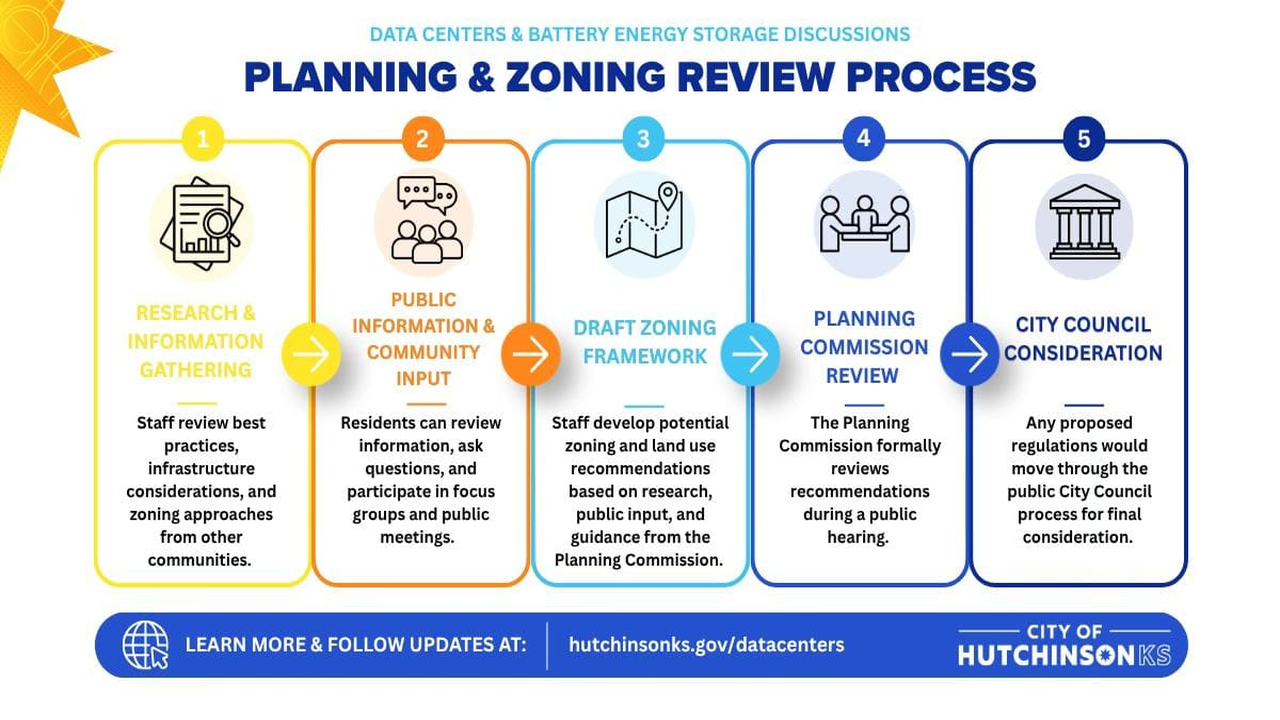
- Hutchinson City’s Proactive Zoning: Hutchinson City has launched a formal public review process for zoning related to data centers and battery storage systems. The City Council unanimously adopted temporary zoning ordinances, driven by community concerns over fire risks and the substantial water and electricity demands of these facilities. This interim regulation strictly prohibits utility-scale technology and battery facilities in residential zones and mandates a Conditional Use Permit (CUP) for any new development. This measure aims to prevent uncontrolled expansion and ensure that local community input is integrated into development decisions.
- Adirondack Park Project Halted: In New York’s Adirondack Park, construction of the first permitted utility-scale battery storage project in the region was temporarily halted by a judge’s order. This decision came amidst widespread local resident opposition, driven by fears of fire hazards, environmental impact, and increased strain on smaller, volunteer fire departments. This case underscores that community perception of adequate involvement in the decision-making process is a critical factor in the success or failure of clean energy infrastructure projects.
Impact and Future Outlook
These instances clearly demonstrate that the energy transition involves not only technical aspects but also significant social acceptance challenges. Concerns about the safety of battery storage systems highlight the industry’s need to not only enhance technological safeguards but also prioritize transparent communication and consensus-building processes with local communities.
For smooth BESS deployment in the future, it will be essential for developers and policymakers to engage with local residents from the early stages, address their concerns, ensure appropriate site selection, establish robust safety standards, develop comprehensive emergency response plans, and implement mitigation measures for visual and environmental impacts. The trend towards stricter zoning regulations is likely an unavoidable step towards achieving sustainable deployment of clean energy infrastructure.








Comments