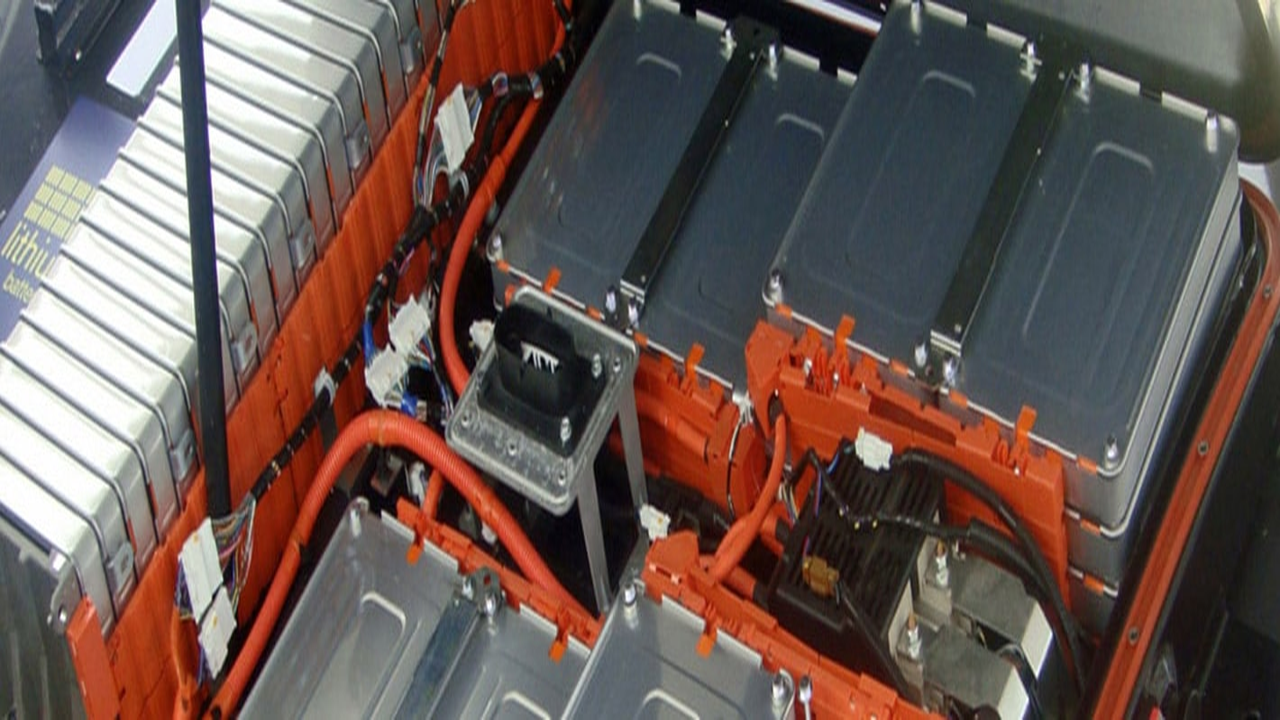
Background and Intensification of EU Battery Regulation
With the increasing demand for electric vehicle (EV) and industrial batteries, regulations concerning the safety, traceability, and sustainability of these products are strengthening globally. In the EU, specifically, new battery regulations have been introduced, mandating that battery identification information must remain “indelibly legible” throughout the product’s entire lifespan. This is critically important for recycling, safety management, and counterfeit prevention. However, this stringent requirement poses significant technical challenges for conventional self-adhesive labels.
Challenges Faced by Self-Adhesive Labels
While self-adhesive labels have been widely used due to their cost-effectiveness and ease of application, they possess inherent limitations in meeting the requirements of the new EU Battery Regulation:
- Adhesive Degradation from Thermal Cycling: EV batteries experience significant temperature fluctuations due to charging/discharging cycles and external environmental conditions. This thermal cycling generates repetitive stress in the adhesive layer due to differences in the coefficient of thermal expansion between the adhesive and the label, or between the adhesive and the battery surface. This gradually degrades the adhesive’s bonding strength, increasing the risk of label detachment over time.
- Aging and Environmental Factors: Adhesives degrade at a molecular level and lose performance when exposed to environmental factors such as heat, humidity, chemicals, and UV light. Since battery packs are often used in harsh environments, the durability of labels is easily compromised.
- Incompatibility with Indelible Marking Requirements: The “indelible marking” required by EU regulations means that information should not be lost due to physical removal, abrasion, or aging. Adhesive detachment directly contradicts this requirement, making traditional self-adhesive labels unsuitable for applications requiring long-term durability, such as large battery packs.
Alternative Marking Technologies and Future Outlook
To address these challenges, battery manufacturers must consider alternative marking technologies. The article suggests the following technologies as promising solutions for ensuring long-term durability:
- Laser Marking: Information is directly engraved onto battery housings or components using a laser. This method is highly resistant to physical abrasion and chemical effects, providing permanent marking.
- Dot Peen Marking: This method involves indenting dot-shaped marks onto hard surfaces, offering high durability and tamper resistance.
- Permanent Direct Part Marking (DPM): An umbrella term for various direct marking technologies that ensure data permanence.
As the EV and industrial battery markets continue to grow, ensuring safety and traceability will become increasingly critical. While advancements in adhesive technology are anticipated, for the time being, more robust direct marking solutions replacing self-adhesive labels will be essential to meet specific regulatory requirements. This may also serve as an impetus for adhesive manufacturers to accelerate the development of specialized, more durable adhesives or new bonding technologies less susceptible to environmental degradation.
Source: https://www.pryormarking.com/why-self-adhesive-labels-fail-the-eu-battery-regulation/









Comments