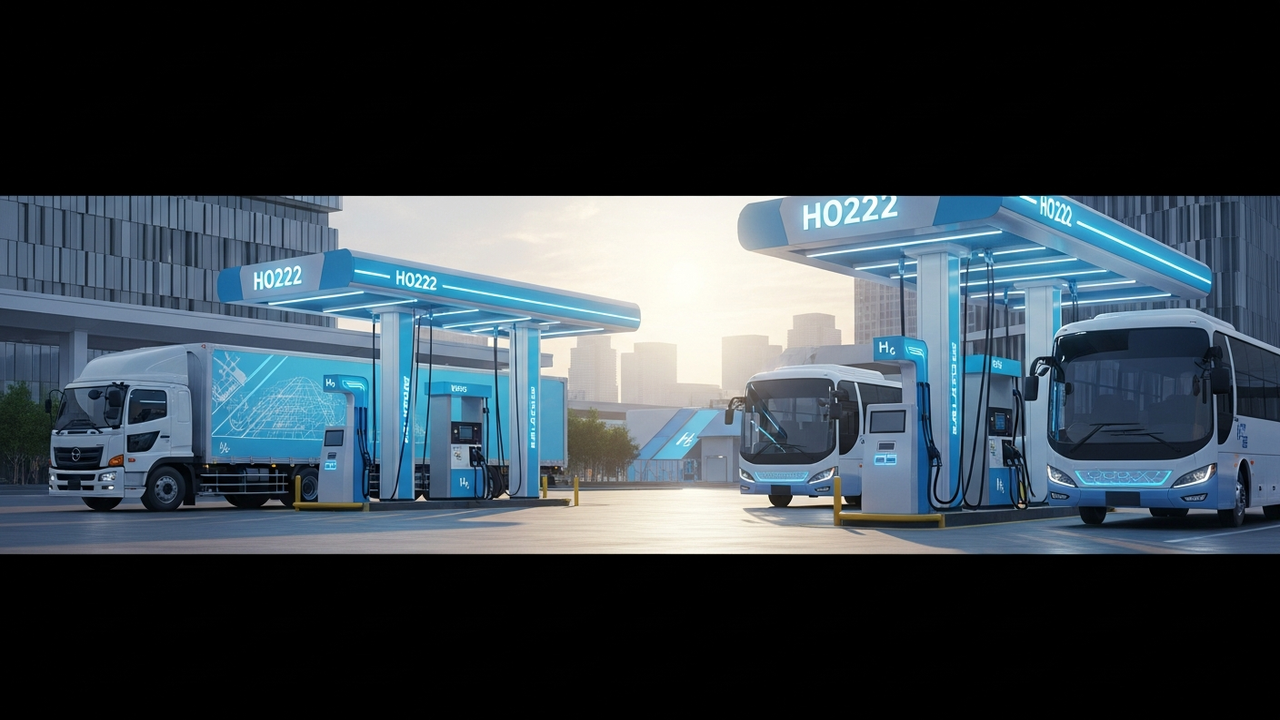
Background: The Urgent Challenge of Commercial Vehicle Decarbonization in Asia
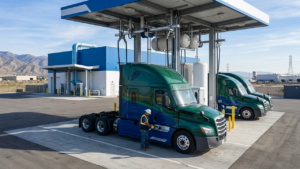
Japan and South Korea, as leading economies in Asia, are accelerating the decarbonization of their transportation sectors, particularly the high-emission commercial vehicle segment, in line with their national goals and international climate commitments. Hydrogen fuel cell electric vehicles (FCEVs) are strategically prioritized as a means to overcome challenges of range and payload capacity—difficult for battery electric vehicles (BEVs)—in applications such as long-haul transport, heavy-duty trucks, buses, and specialized vehicles. Strong governmental policy support and infrastructure development are the primary drivers of this transformation.
Progress in Hydrogen Commercial Vehicles in Japan
Japan has long invested heavily in hydrogen energy technology research and development, and the fruits of these efforts are increasingly manifesting in the commercial vehicle sector.
- Toyota’s Technological Innovation: Toyota Motor Corporation is applying its fuel cell technology, initially developed for passenger vehicles, to commercial applications. It plans to introduce its third-generation fuel cell system to the market in 2025. This new system promises enhanced efficiency, compactness, and cost reduction, contributing to lower operational costs for commercial vehicles.
- TOKYO H2 Project: Through specific initiatives like the TOKYO H2 Project, Toyota is promoting the deployment of fuel cell systems in heavy-duty trucks. This aims to reduce CO2 emissions in urban logistics and long-distance trunk transport.
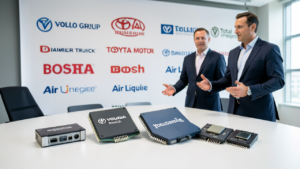
- Honda and Isuzu Partnership: Honda has partnered with Isuzu Motors, a major commercial vehicle manufacturer, to accelerate the joint development and commercial deployment of fuel cell trucks. Combining the expertise of both companies is expected to result in highly practical and reliable vehicles.
Strengthening the Hydrogen Ecosystem in South Korea
South Korea is also aggressively promoting a government-led transition to a hydrogen economy, with commercial vehicles forming a core component of this strategy.
- Significant Investment: The South Korean government plans a substantial investment of ₩196.3 billion (over 200 million USD) in 2025, allocated towards developing hydrogen infrastructure and facilitating FCEV adoption.
- Hydrogen Station Targets: An ambitious target has been set to establish over 450 hydrogen refueling stations nationwide by 2026. This is a crucial step to secure the necessary fuel supply network for FCEVs and enhance user convenience.
- Hyundai Motor’s Role: Hyundai Motor Group is a global leader in hydrogen fuel cell technology, contributing to the mass production and widespread adoption of fuel cell trucks and buses.
Impact and Outlook: The Future of Asia’s Transportation Sector
These initiatives in Japan and South Korea are poised to serve as powerful models for accelerating the decarbonization of the commercial transport sector across the entire Asian region. Clear government policy support, strategic subsidies, and proactive investment in hydrogen supply infrastructure provide a stable foundation for private companies to undertake bold technological innovations and market introductions. Consequently, both countries are expected to solidify their positions as technological leaders in clean transport solutions and make significant contributions to achieving global environmental goals.
Source: #




Comments