Background: Revolutionizing Battery Manufacturing for Cost and Environment
The burgeoning electric vehicle (EV) market demands continuous innovation in battery technology, particularly in reducing manufacturing costs and environmental footprint. Traditional lithium-ion battery production relies heavily on a wet coating process that uses toxic solvents like NMP (N-Methyl-2-pyrrolidone). This method necessitates energy-intensive drying ovens and solvent recovery systems, making it both costly and environmentally burdensome due to high energy consumption and greenhouse gas emissions. Against this backdrop, “dry electrode manufacturing” has emerged as a promising next-generation production technology that eliminates solvents entirely.
Tesla’s Strategic Investment and Technical Advantages
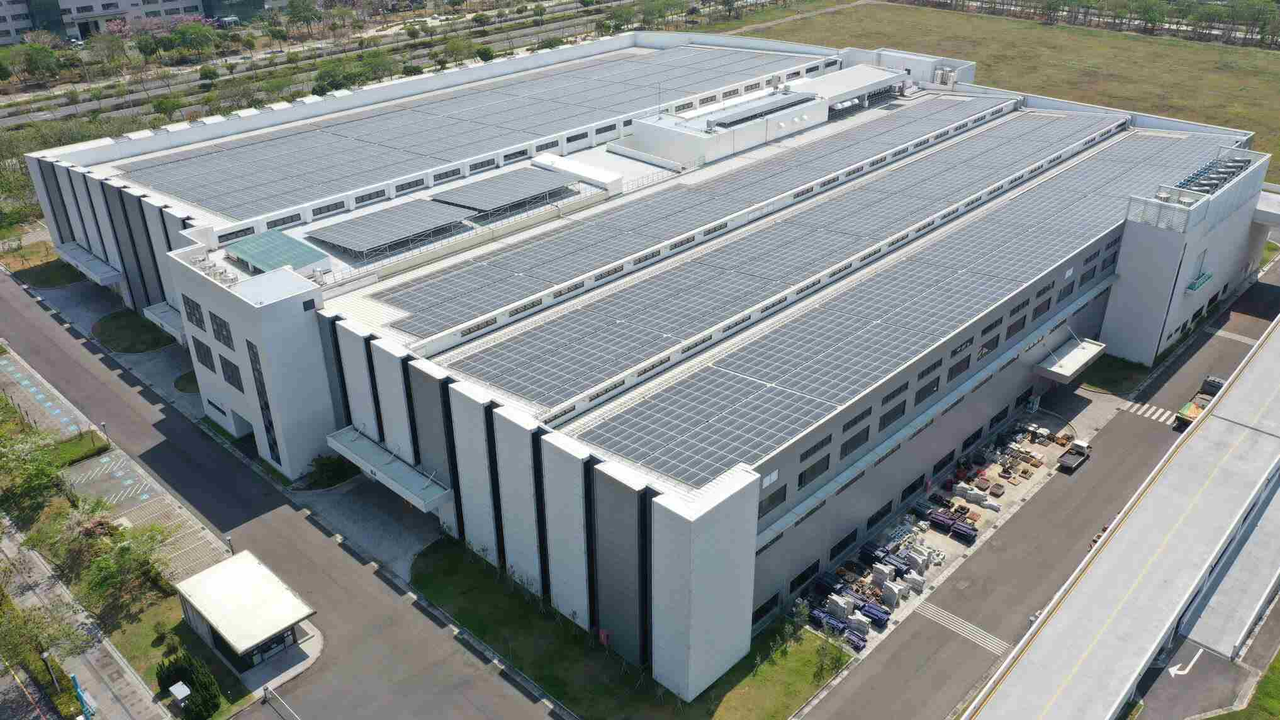
Tesla has positioned dry electrode manufacturing as a cornerstone of its battery strategy, committing substantial investments to scale up this technology. At its Gigafactory Berlin-Brandenburg, Tesla is investing $250 million to significantly boost battery production capacity from 8 GWh to 18 GWh, with a primary focus on implementing and optimizing the dry electrode process for its proprietary 4680 battery cells.
- Cost and Environmental Reduction: The dry electrode process eliminates the need for NMP solvents, research indicating it can reduce energy consumption and greenhouse gas emissions by up to 40% compared to conventional wet methods. This promises substantial manufacturing cost reductions and a smaller environmental footprint.
- Enhanced Vertical Integration: Tesla pursues a strategy of deep vertical integration, controlling every stage of the supply chain from raw material processing to battery cell manufacturing and final EV integration. Dry electrode technology is pivotal to this strategy, strengthening Tesla’s control over battery production efficiency and costs.
- Patent Landscape: Patent applications related to dry electrode processing have surged between 2022 and 2026, with major battery manufacturers like Samsung SDI, LG Energy Solution, and SK On also accelerating development in this area. This trend underscores the industry’s widespread recognition of the technology’s disruptive potential.
Intellectual Property Battles and Market Implications
Tesla views its unique dry electrode manufacturing technology as critical to maintaining its competitive edge in battery efficiency and cost reduction, and it is aggressively protecting its intellectual property. This aggressive stance is evidenced by a $1 billion lawsuit filed against former supplier Matthews International, alleging trade secret theft related to the dry electrode manufacturing process. This legal battle highlights the intense competition in the EV battery sector, where companies are fiercely guarding their proprietary technologies.
Should Tesla successfully scale its dry electrode technology, it could trigger a paradigm shift in battery manufacturing, further driving down EV costs and accelerating their mass adoption. However, achieving this hinges on overcoming significant technical scaling barriers and navigating the complex landscape of intellectual property disputes.
Source: https://elonbuzz.com/elon-musks-new-250m-factory-is-built-for-dry-electrode-control/





Comments