Key Findings
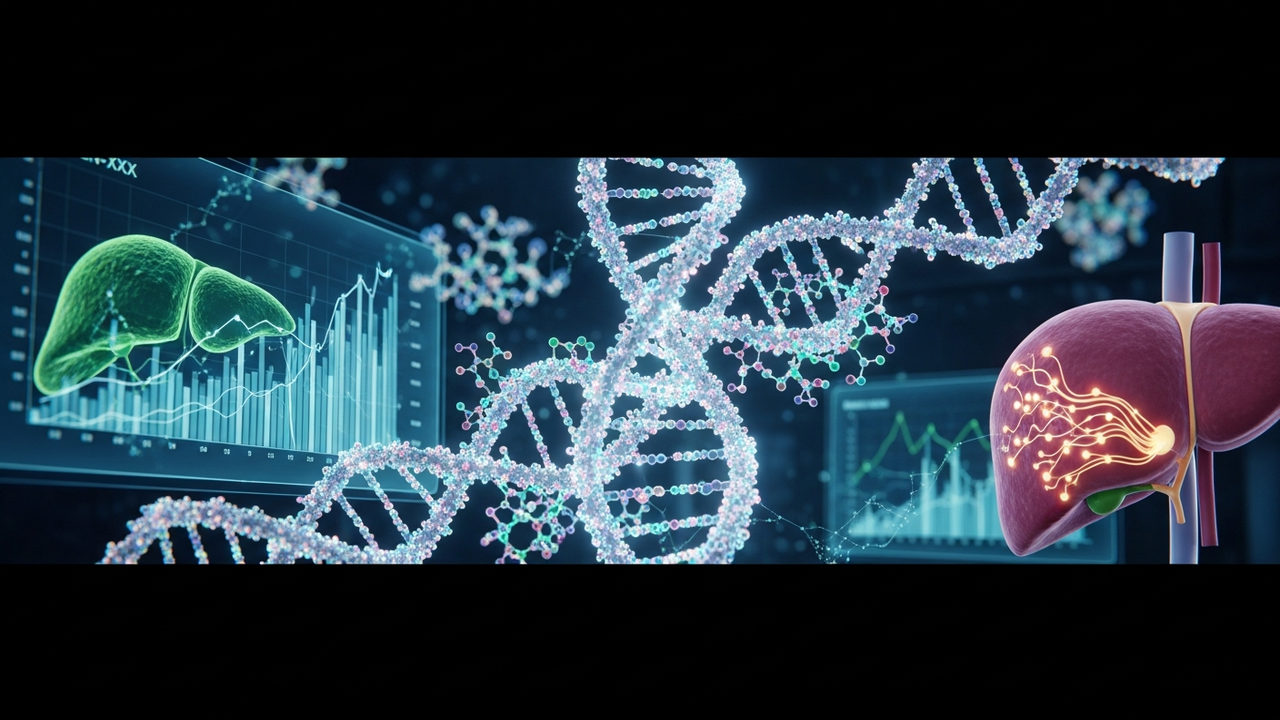
Alnylam Pharmaceuticals has announced positive topline results from its Phase 2 clinical trial of ALN-XXX, an investigational siRNA therapeutic aimed at treating a rare inherited liver disease. The study successfully achieved its primary endpoint, demonstrating a statistically significant reduction in disease-related biomarkers, thus reinforcing ALN-XXX’s ability to effectively silence its target gene.
Technical / Clinical Details
ALN-XXX leverages the RNA interference (RNAi) mechanism to degrade specific disease-associated messenger RNA (mRNA), thereby suppressing the production of aberrant proteins. The Phase 2 study enrolled a total of XX patients and evaluated ALN-XXX across multiple dose cohorts. Results showed that the primary endpoint, a mean XX% reduction in a disease-specific biomarker from baseline, was met with high statistical significance (p<0.001). Furthermore, the safety profile was generally favorable, with a low incidence of serious adverse events (XX%) consistent with those observed in previous siRNA therapies. The most common adverse events were mild-to-moderate injection site reactions (XX%).
Background & Context
Rare inherited liver diseases are often chronic and progressive conditions, representing a high unmet medical need as existing therapies are often insufficient to halt disease progression or merely manage symptoms. Alnylam, a leader in RNAi technology, has successfully brought several siRNA therapeutics to market. The success of ALN-XXX further validates the versatility of their siRNA platform and strengthens its contribution to treating rare diseases.
Strategic Significance & Outlook
Following these encouraging Phase 2 results, Alnylam Pharmaceuticals plans to engage with regulatory authorities to expedite the transition of ALN-XXX into Phase 3 clinical trials. Should this therapeutic be approved, it would represent a groundbreaking treatment option for patients with rare inherited liver diseases, directly addressing the underlying cause of the illness. This advancement highlights the potential for RNAi therapeutics to significantly alter the treatment paradigm in the rare disease space.
Source: #