Key Findings
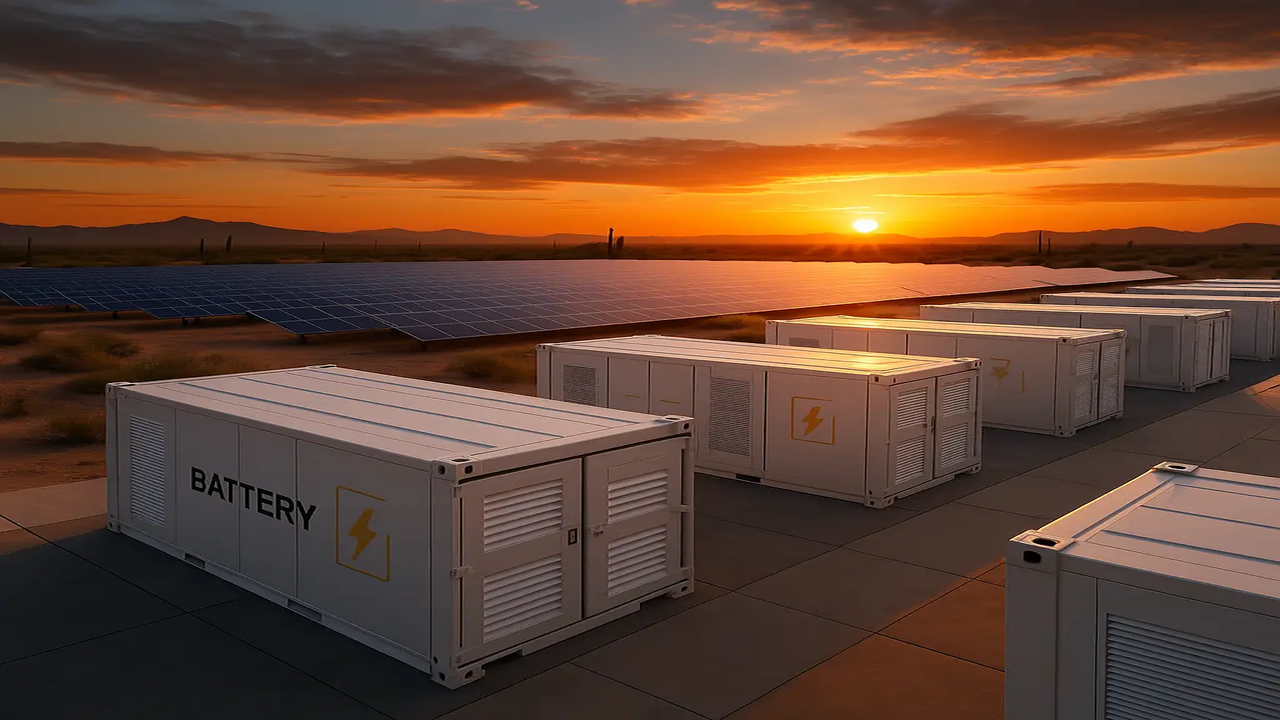
Arizona is rapidly evolving into a top-tier state in the United States for utility-scale Battery Energy Storage System (BESS) deployment. The state currently boasts approximately 3,900 MW of operational battery storage capacity, with an additional 3,807 MW projected to come online by 2026. This will bring Arizona’s total BESS capacity to over 7,700 MW. This rapid expansion reflects a strategic initiative to leverage the state’s abundant solar resources to their fullest potential and enhance grid reliability and flexibility.
Technical Details and Applications
BESS deployments in Arizona are driven by specific objectives and technical characteristics:
- Mitigating Solar Variability: Arizona, known for its extensive sunshine, hosts numerous large-scale solar power plants. BESS are crucial for storing excess electricity generated during the day and discharging it after sunset or during periods of high demand, thereby smoothing out solar power fluctuations and ensuring a stable electricity supply.
- Addressing Peak Demand: BESS are utilized to meet peak electricity demands, particularly during scorching summers when air conditioning usage surges. This helps reduce reliance on costly peak-generating power plants, ultimately lowering cost burdens for consumers.
- Enhancing Grid Reliability: Functioning as backup power sources during outages, BESS improve grid resilience. California, Texas, and Arizona collectively accounted for 75% of the capacity deployed in Q2 2025, highlighting the critical role BESS plays in these regions’ power supply.
- Role of Major Utilities: Arizona Public Service (APS) and Tucson Electric Power (TEP) are pivotal drivers of BESS deployment within the state. Both utilities plan significant solar and storage additions as part of their renewable energy targets and grid modernization strategies. For instance, APS announced plans to deploy 2 GW of battery storage by 2025.
- Technology Selection: Primarily lithium-ion batteries are used, with a growing adoption of LFP (lithium iron phosphate) batteries for their cost-effectiveness, enhanced safety, and longer cycle life.
Background & Industry Context
Across the United States, the demand for grid-scale energy storage is surging due to accelerated renewable energy deployment and new power demands, such as those from AI data centers. In Q1 2026, 1.1 GW of battery storage capacity was added nationwide, bringing the total operational capacity to 14.96 GW and energy capacity to 24.6 GWh. Arizona has demonstrated remarkable growth within this national trend. Federal support, including tax credits and the Infrastructure Investment and Jobs Act (IRA), further incentivizes BESS deployment. However, challenges such as lengthy grid interconnection queues and battery material supply chain issues persist.
Strategic Significance & Outlook
Arizona’s BESS market is expected to continue its robust expansion. The state aims to enhance energy independence and sustainability through greater renewable energy integration and grid modernization. BESS will further increase its value when combined with advanced grid services like demand response programs and virtual power plants (VPPs). Additionally, long-duration energy storage (LDES) technologies, such as iron-air and vanadium flow batteries, may become part of Arizona’s future energy portfolio. This growth is anticipated to contribute to job creation and economic development within the state.
Source: https://www.solartopps.com/blog/arizona-battery-energy-storage-systems-2026/