Key Findings
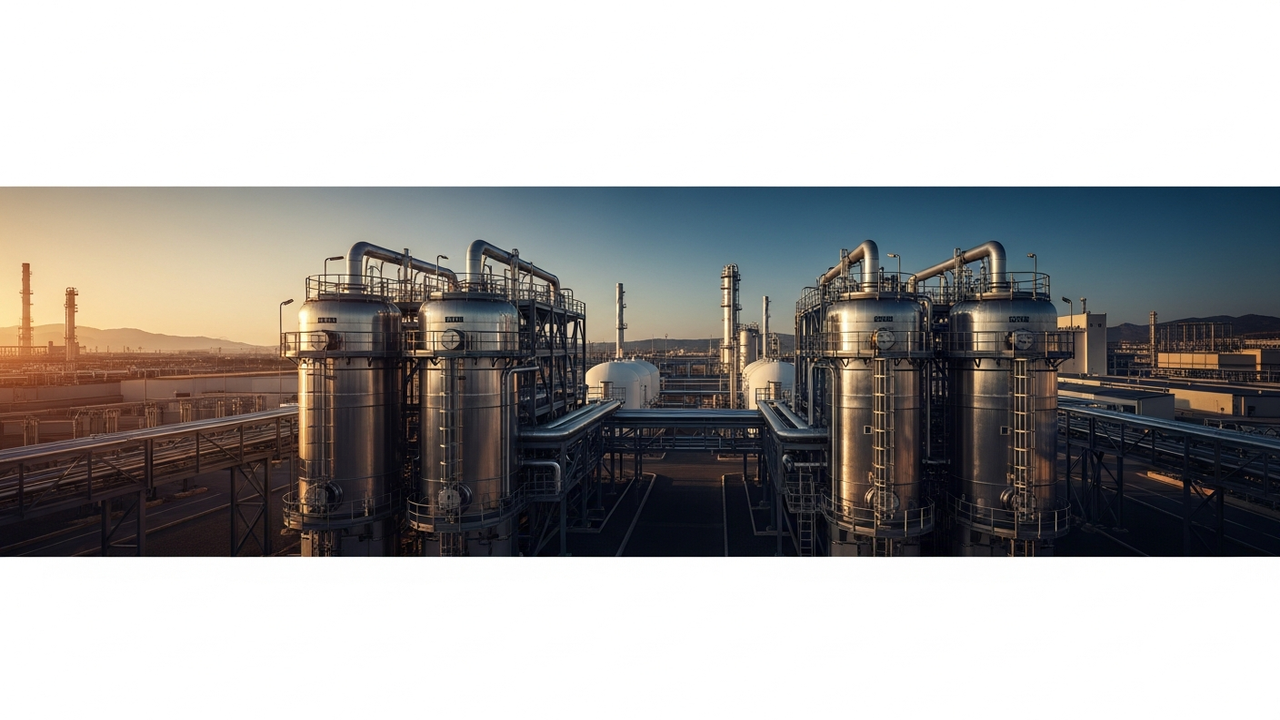
North Atlantic Refining’s ambitious wind-to-hydrogen (wind-to-H2) project, planned for Newfoundland and Labrador, Canada, has secured conditional environmental approval. This initiative is set to utilize a 324-megawatt (MW) wind farm to generate an impressive 30,000 tons of green hydrogen annually, with the majority slated for international export. This approval represents a significant milestone, indicating Canada’s emergence as a key player in the renewable energy-based hydrogen economy.
Project Details and Environmental Assessment
The wind-to-hydrogen project aims to harness Canada’s abundant wind resources to contribute to decarbonization goals through clean hydrogen production. The conditional environmental approval mandates that the project adheres to specific environmental protection requirements and implements stringent measures to manage potential environmental impacts. These include considerations for wildlife protection, water resource management, and impact assessments on local communities. The annual production of 30,000 tons of hydrogen will establish a significant supply source within the global hydrogen value chain, expected to contribute particularly to high-demand hydrogen markets in Europe and Asia. For example, South Korea, in connection with its submarine bid to Canada, has proposed a 3.4 trillion won (approximately $2.2 billion) hydrogen truck investment package led by Hyundai Motor Group, aiming to build a hydrogen mobility ecosystem in Canada.
Background & Industry Context
Canada, with its vast landmass and rich natural resources, possesses substantial potential to become a global leader in green hydrogen production. Atlantic provinces like Newfoundland and Labrador, and Pacific provinces such as British Columbia, are particularly suitable for large-scale hydrogen production projects due to their abundant renewable energy sources like wind and hydropower. As global momentum for energy security and decarbonization accelerates, nations are seeking stable supplies of clean hydrogen. Such large-scale projects in Canada are expected to play a crucial role in the international hydrogen supply network, aligning with the global trend of the hydrogen sector shifting from planning to execution.
Strategic Significance & Outlook
The conditional environmental approval for North Atlantic Refining’s wind-to-hydrogen project is a critical step towards its Final Investment Decision (FID). Once fully operational, Canada will solidify its position as a supplier within the international green hydrogen market. This success is expected to stimulate the development of other large-scale renewable energy and hydrogen integration projects, accelerating the growth of the hydrogen ecosystem across Canada. However, the commercial success of the project will depend on the development of hydrogen transport infrastructure, securing international off-take agreements, and sustained policy support.







Comments