Key Findings
China’s fuel cell electric vehicle (FCEV) sales experienced dramatic fluctuations, peaking at over 3,500 units in December 2025, a record monthly high, only to plunge to fewer than 100 units in early 2026. This year-end surge and new-year slump are primarily attributed to a rush to purchase before the expiration of government subsidies, suggesting that the demand was not reflective of sustainable, organic market growth. Consequently, the Chinese FCEV industry is now urgently tasked with establishing commercial viability independent of subsidy reliance.
Market Trends and Policy Shift
The sales spike in December 2025 was a temporary phenomenon, driven by consumers anticipating the expiration of FCEV purchase subsidies provided by the Chinese government at the end of the year. While such incentives are effective in promoting initial market adoption, they can also create subsidy-dependent demand and introduce market instability upon policy changes. China’s 15th Five-Year Plan signals a policy shift for FCEVs, moving from traditional vehicle purchase subsidies towards more sustainable, usage-based incentives, which are expected to include support for hydrogen refueling infrastructure and fuel cost subsidies.
Background & Industry Context
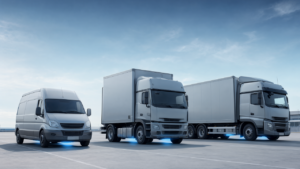
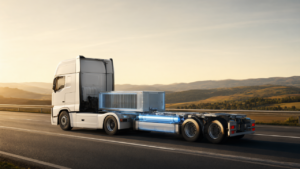
China has strategically positioned hydrogen energy as a key industry and is promoting FCEV adoption, but it faces inherent market challenges. Commercial FCEVs (particularly trucks and buses) are seen as promising for hard-to-decarbonize transport segments due to their range, load capacity, and rapid refueling capabilities. However, inadequate infrastructure and high operational costs remain barriers to widespread adoption. Although China leads the world in the number of hydrogen refueling stations and is rapidly expanding infrastructure, there is still room for improvement in terms of economic operation and broad accessibility. The FCEV market is emerging as a viable solution for decarbonizing heavy-duty transport (trucks, shipping, aviation), with high energy density and quick refueling capabilities supporting its adoption.
Strategic Significance & Outlook
As the Chinese FCEV industry transitions from a subsidy-driven to a market-driven model, success will hinge on reducing vehicle and hydrogen production costs, building efficient supply chains, and deploying robust hydrogen refueling infrastructure. Policy will likely shift from upfront purchase support to operational incentives, such as hydrogen fuel price subsidies and R&D support for fuel cell technologies. This transition is expected to put FCEVs on a more sustainable growth trajectory, contributing to China’s long-term decarbonization goals. Manufacturers will need to focus on developing products that balance durability, performance, and cost to meet evolving market needs.
Source: https://www.greenhydrogen.news/year-end-spike-new-year-slump-chinas-15th-five-year-journey