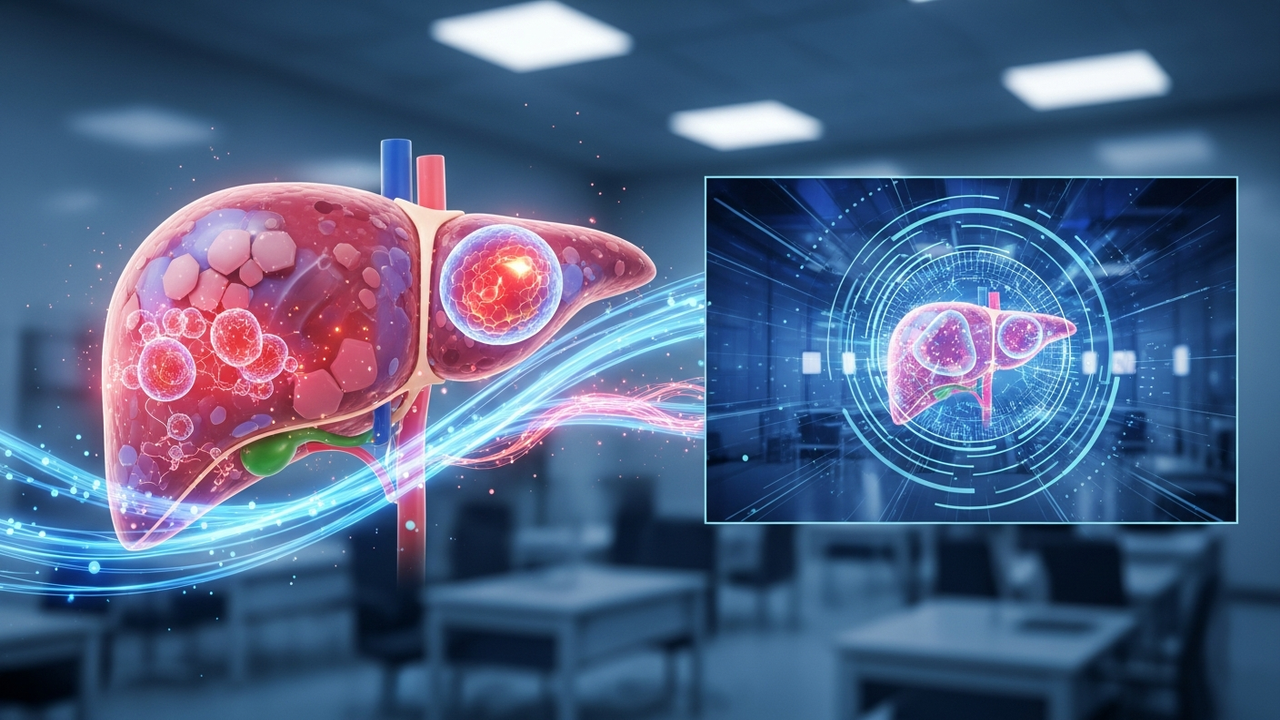
Key Findings
Eli Lilly has announced promising interim data from the ongoing Phase 2 clinical trial of its investigational triple agonist therapy for Metabolic Dysfunction-Associated Steatohepatitis (MASH, formerly NASH). This data suggests the potential for significant histological improvements in liver fibrosis and inflammation, which could mark a crucial step towards pathological resolution in MASH.
Technical / Clinical Details
Eli Lilly’s triple agonist is designed to comprehensively address key pathophysiological features of MASH, including steatosis (fatty liver), inflammation, and fibrosis, by simultaneously targeting multiple metabolic pathways such as GLP-1, GIP, and glucagon receptors. Interim analysis from the Phase 2 study revealed a marked reduction in liver fat content in the treated patient cohorts compared to placebo. Furthermore, histological assessments via liver biopsies indicated not only improvements in the MASH activity score (NAS) but also a statistically significant trend towards improvement in liver fibrosis stage (e.g., transition from F2/F3 to F0/F1). The safety profile primarily involved gastrointestinal adverse events commonly seen with this class of drugs, which were generally manageable.
Background & Context
MASH is a severe and increasingly prevalent liver disease globally, with the potential to progress to cirrhosis, liver cancer, and liver failure. Currently, there are very few FDA-approved MASH therapies, leaving a high unmet medical need for patients. Improvement in fibrosis, in particular, is considered a critical factor influencing long-term disease prognosis. Eli Lilly’s triple agonist, by offering a multifaceted approach to the complex MASH pathology, holds the potential to deliver superior therapeutic outcomes compared to existing single-target or dual agonist treatments.
Strategic Significance & Outlook
This promising interim data strongly suggests Eli Lilly’s triple agonist could be a breakthrough in MASH treatment. Based on the final Phase 2 data, the company will likely proceed with regulatory discussions and planning for larger Phase 3 clinical trials. If successful, this agent could significantly improve liver-related outcomes for MASH patients and become one of the most anticipated therapies in this field, with market entry expected between 2026 and 2027. This positions Eli Lilly strongly in the competitive MASH drug development landscape.